Guides
Plain-language guides to fertility treatment and pregnancy care — so you can understand each step before and between our visits.
Most people who come to see me have already read a great deal online, and trust almost none of it. I don't blame them. So I wrote these guides to be the version I'd want you to have before we meet: what each step actually involves, what the numbers do and don't mean, and where I'd tell you the honest uncertainty sits. They're written for patients here in India — the rules we work under, the way our clinics quote and package treatment, and the questions I'm asked most often in my own consulting room.
If you're just starting out, begin with the IVF Journey series — it walks through a full cycle in the order you'll live it. If IUI is on the table first, the IUI Journey covers that. And if you're already mid-treatment and want one specific answer — about your transfer, your frozen embryos, a test someone has suggested — the guides below go deeper on single decisions.
None of this replaces sitting down with your own doctor. I've written it so that conversation can start further along.
The IVF Journey
- Part 1 The first consultation and fertility work-up
What actually happens at your first fertility consultation — the questions, the tests for both partners, and how an IVF decision is made.
- Part 2 Ovarian stimulation and monitoring
How IVF ovarian stimulation works: the daily injections, what monitoring scans track, and how the trigger injection is timed.
- Part 3 Egg retrieval day
What happens on IVF egg retrieval day: the procedure under sedation, how long it takes, recovery, and what the lab does next.
- Part 4 Fertilization, embryo culture, and the transfer
How IVF embryos are grown and selected in the lab, fresh vs frozen transfer, and what the embryo transfer procedure feels like.
- Part 5 The two-week wait and the result
Surviving the two-week wait after embryo transfer: what's happening inside, symptoms that mean nothing, the beta hCG test, and what comes after — either way.




The IUI Journey
- Part 1 What IUI is, and who it's right for
How IUI (intrauterine insemination) works, who it genuinely helps, realistic expectations, and how it compares with IVF.
- Part 2 The IUI cycle, step by step
What an IUI cycle involves week by week: monitoring, the trigger, insemination day, and the wait afterwards.

All guides
- Bleeding That's Not Tied to Your Period — Could It Actually Be Blood in Your Urine?
Unexpected bleeding that isn't period-related isn't always vaginal. Here's how to tell vaginal bleeding apart from blood in urine (haematuria), and what each points to.
- Is Constipation in the First Trimester Normal, and What's Actually Safe to Try?
Constipation is one of the most common early-pregnancy complaints. Here's why it happens, and what's safe to try before reaching for anything medicated.
- I Have PCOS but I'm Underweight — Is That Normal?
PCOS isn't only a weight-gain condition. Lean PCOS is real, driven by the same hormonal imbalance without excess weight — here's what's different about spotting and managing it.
- Why Didn't My Period Start After a Hormone Course Meant to Bring It On?
Given a hormone course specifically to trigger a withdrawal bleed, but nothing happened? Here's what that can mean and why it isn't something to self-diagnose.
- Is It Safe to Get a Dental X-Ray During Pregnancy?
A single dental X-ray during pregnancy is considered safe, especially with proper shielding — here's why, what precautions matter, and when dental care shouldn't wait.
- My ECG Looks Abnormal in Pregnancy But My Doctor Says It's Normal — Why?
Pregnancy genuinely changes how your heart looks on an ECG — a printout that would raise questions outside pregnancy can be completely normal physiology once you're expecting. What changes, and why.
- Metallic Smell in Discharge Right After Your Period — Is That Normal?
A metallic smell right after your period usually comes from leftover menstrual blood, not infection. What causes it, and the signs that mean it's something else.
- Small Fibroids: Do They Actually Need Surgery, or Can You Just Monitor Them?
Most small, symptom-free fibroids don't need surgery — they're monitored instead. What actually decides whether a fibroid is watched or treated, from Dr. Ankita Gahlot.
- I Tested ANA-Positive and I'm Trying to Conceive — Does This Affect My Fertility?
A positive ANA test on its own isn't a fertility diagnosis. What the test actually screens for, why mild positives are common, and when it genuinely matters for conception.
- Chronic Back Pain Years After a C-Section — Is It Actually Related?
Ongoing back pain long after a cesarean can have several real causes — some tied to the surgery, some not. What actually connects the two, and what helps.
- My Ferritin Is Low but My Haemoglobin Is Normal — Do I Actually Have Iron Deficiency?
Iron deficiency can exist well before haemoglobin drops. Why ferritin falls first, what it means, and why 'normal haemoglobin' doesn't rule out a real iron problem.
- Can Leaving a Urine Sample Uncapped Give a False Infection Reading?
How a urine sample is collected and handled can genuinely change the result. What actually causes a false-positive infection reading, and how to avoid it next time.
- Why Doctors Prescribe Birth Control Pills After Ectopic Pregnancy Surgery
Being prescribed birth control pills right after ectopic pregnancy surgery can feel confusing. What the pills are actually doing during recovery, and why they don't mean you can't try to conceive again.
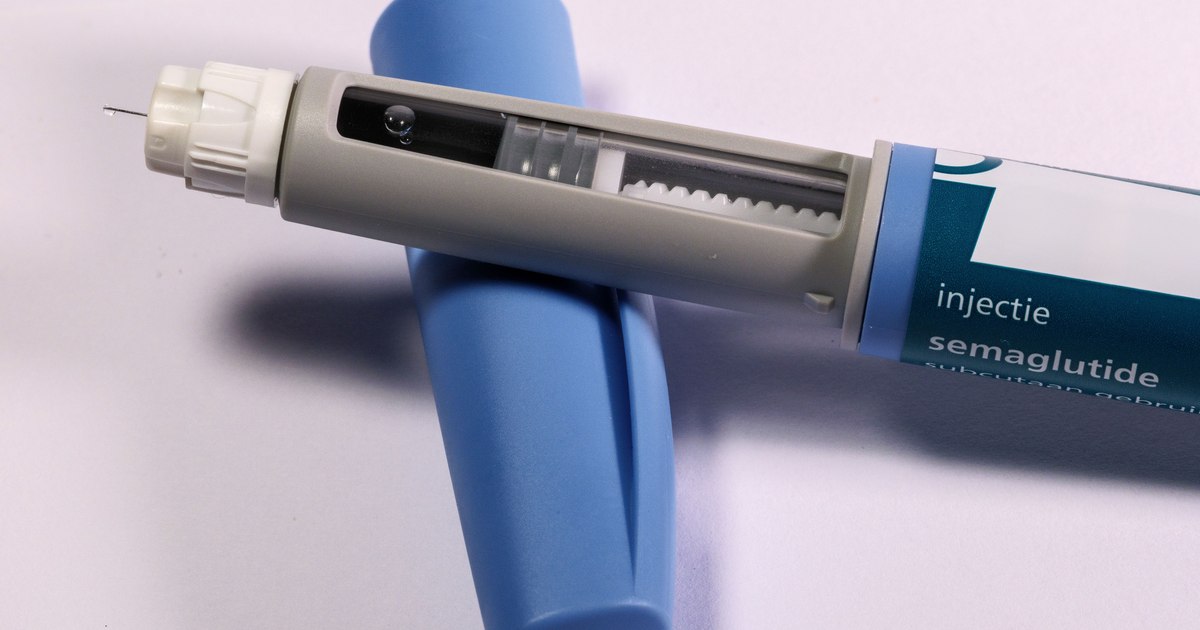
- Can You Take Ozempic or a GLP-1 Injection for PCOS Weight Loss?
GLP-1 medicines like Ozempic are increasingly asked about for PCOS-related weight loss. What they actually do, why they're used off-label for PCOS, and what to discuss with your doctor before starting one.
- HBsAg Positive and Planning Pregnancy: What You Need to Know
Testing HBsAg positive (chronic hepatitis B) doesn't mean you can't have a healthy pregnancy. What it means, how it's managed during pregnancy, and how transmission to your baby is prevented.
- High Blood Pressure a Month After Delivery: Is That Normal?
Raised blood pressure weeks after childbirth is not something to wait out. What postpartum hypertension and preeclampsia are, the warning signs, and why a delayed reading still needs urgent attention.
- Antenatal Renal Pelvis Dilation: Does Your Baby Need Follow-Up After Birth?
A 'swollen kidney' finding on a pregnancy scan sounds alarming, but it's common and often resolves on its own. What antenatal renal pelvis dilation means and when follow-up matters, from Dr. Ankita Gahlot.
- Is It Safe to Fly With a One-Month-Old Baby?
Air travel with a very young baby is generally safe for most healthy, full-term newborns, but there are a few things worth checking first. From Dr. Ankita Gahlot.
- PMS or PMDD: How to Actually Tell the Difference
Both happen before your period, but PMDD is far more disruptive than typical PMS. The specific signs that separate the two, and why the distinction matters, from Dr. Ankita Gahlot.
- Small Bumps Near the Vulva Before Your Period: What They Usually Are
Small pimple-like bumps that show up near the vulva right before your period, then fade, are usually explainable and not a sign of infection. From Dr. Ankita Gahlot.
- Can You Stop a Period Once It's Already Started?
Once bleeding has begun, there's no reliable over-the-counter way to stop it the same day. What actually works, what doesn't, and why timing changes everything.
- Newborn Breast Swelling in the First Two Weeks: Is It Normal?
A small, firm swelling near your newborn's nipple in the first couple of weeks is usually harmless neonatal breast tissue reacting to maternal hormones — here's how to tell it apart from something that needs a doctor.
- Burning and Urgency Keep Coming Back, But Your Urine Culture Is Negative — Why?
A negative urine culture doesn't always mean nothing is wrong. The real reasons UTI-like symptoms keep recurring despite a clear test, and what actually helps next.
- Why Do IBS-Type Gut Symptoms Flare in the Days Before Your Period?
Bloating, cramping, and unpredictable bowel habits often get worse right before a period — the hormonal reason why, and how to tell ordinary premenstrual flares from something that needs a doctor's opinion.
- The 20-Week Anomaly Scan: What It Actually Checks
The 20-week anomaly scan is a detailed structural health check, not a photo op. What's examined, the 4 questions to ask your doctor before you leave, and what a normal result does (and doesn't) mean — from Dr. Ankita Gahlot.
- Negative Pregnancy Test, But You Might Still Be Pregnant — Here's Why
One negative test doesn't always mean 'not pregnant.' Why home pregnancy tests give false negatives, the signs to watch for anyway, and exactly when to repeat or escalate — from Dr. Ankita Gahlot.
- Planning a Pregnancy? The Preconception Checklist to Start Months Before
Pregnancy preparation ideally starts months before conception, not after a positive test. The hormone checks, lifestyle changes, and egg/sperm quality steps that matter most — from Dr. Ankita Gahlot.
- What Causes Irregular Periods, and When Is It a Concern?
Irregular cycles usually mean ovulation is delayed or unpredictable, not absent. The common causes, what you can track at home, and the red flags that mean it's time to see a gynaecologist — from Dr. Ankita Gahlot.
- How to Improve Egg Quality: It's Not Just Your Age
Egg quality isn't only about age — inflammation plays a major role, and it's shaped by habits you can actually change. The everyday causes and the protective habits, from Dr. Ankita Gahlot.
- Severe Period Pain: Normal Discomfort, or a Sign to See a Doctor?
Some period pain is normal. Pain that stops your life isn't. The specific signs that separate the two — and what conditions severe pain can point to — from Dr. Ankita Gahlot.
- Small Bumps on the Labia That Look Like Warts, But Aren't
Tiny, symmetric bumps on the inner labia are often mistaken for genital warts. What vestibular papillomatosis actually is, how it differs from HPV warts, and when to get it checked.
- How Long Should You Try to Conceive Before Seeing a Fertility Specialist?
The standard guidance on when 'still trying' should turn into a fertility consultation — by age, and by the risk factors that mean seeing someone sooner.
- Does higher body weight make the morning-after pill less effective?
Why body weight can affect how well levonorgestrel emergency contraception works, which options work regardless of weight, and how to choose the right one. From Dr. Ankita Gahlot.
- Is it safe to fly with a one-month-old baby?
What to know before flying with a newborn — infection risk, ear pressure, altitude, and when a doctor would advise waiting. From Dr. Ankita Gahlot.
- Newborn poop colour and frequency: what's normal on formula or combination feeds
What normal newborn stool looks like on formula or combination feeds — colour changes, how often is normal, and which colours mean call the doctor. From Dr. Ankita Gahlot.
- Are dilating eye drops for a pregnancy retinal exam safe, and why do doctors order the exam?
Why a dilated retinal eye exam gets ordered in later pregnancy, whether the dilating drops are safe, and what the exam is actually checking for. From Dr. Ankita Gahlot.
- Is my baby growing well? Signs to look for in the first six months
Six science-backed signs a newborn is developing normally, plus what actually measures healthy growth — weight gain, feeding, and nappy output. From Dr. Ankita Gahlot.
- Newborn danger signs: when to rush to the hospital
Five newborn warning signs that need urgent medical attention, not a wait-and-watch approach — jaundice, breathing changes, lethargy, colour changes, and feeding red flags. From Dr. Ankita Gahlot.
- When can you safely have sex again after a C-section or vaginal delivery?
Why doctors generally recommend waiting at least 6 weeks after delivery before resuming intercourse, what that timeline actually depends on, and signs you're not ready yet. From Dr. Ankita Gahlot.
- Walking during pregnancy: how it affects your delivery, trimester by trimester
Walking is one of the safest exercises in pregnancy, but pace, duration and timing change by trimester. What to do in each stage, warning signs to stop for, and what to wear. From Dr. Ankita Gahlot.
- What's the best age to get pregnant? What the data actually says
Fertility and pregnancy outcomes shift with age in three broad bands, not a single cutoff. What changes in your 20s, 30s, and after 35 — and why the honest answer is more than just a number. From Dr. Ankita Gahlot.
- Pregnancy weight gain: where it actually goes, and how much is healthy
Pregnancy weight isn't just fat — it's the baby, placenta, fluid, and blood volume your body is building. The kg-by-kg breakdown, healthy total-gain ranges by pre-pregnancy BMI, and why 'eating for two' is a myth. From Dr. Ankita Gahlot.
- Vaginal delivery vs C-section recovery: what's actually different
Both are real recoveries, not one 'easy' and one 'hard' path. The timeline you can expect either way, what's specific to each, and what stays the same no matter how your baby arrived. From Dr. Ankita Gahlot.
- What makes a pregnancy "high-risk", and what actually changes in your care?
"High-risk" isn't a verdict — it's a label for closer monitoring. What actually qualifies a pregnancy as high-risk, what changes in your appointments and scans, and what the label does not mean. From Dr. Ankita Gahlot.
- Umbilical cord around the baby's neck: what a nuchal cord actually means
A nuchal cord (umbilical cord around the baby's neck) is a common scan finding, not a diagnosis, and it isn't caused by anything you did. What it means and how doctors handle it. From Dr. Ankita Gahlot.
- Perimenopause: the period changes in your 40s that signal it
Shorter cycles, skipped months, heavier or lighter flow, and hot flushes — the period changes that typically signal perimenopause, and when it's worth checking hormone levels. From Dr. Ankita Gahlot.
- How to prepare for a normal delivery: what actually helps (and what's folklore)
Pelvic floor exercises, staying mobile in early labour, antenatal classes, and a birth plan as a communication tool — the preparation that genuinely helps a normal delivery. From Dr. Ankita Gahlot.
- VBAC: can your next delivery be normal after a C-section?
Who is usually a good candidate for a vaginal birth after C-section (VBAC), why a trial of labour is discussed rather than promised, and when a repeat C-section is advised instead. From Dr. Ankita Gahlot.
- Bleeding During Pregnancy: What's Normal and What's Not
Bleeding in pregnancy is not always miscarriage. The harmless causes of early spotting, the warning signs that need urgent attention, and exactly what to do while you wait. From Dr. Ankita Gahlot.
- Early Pregnancy Symptoms Most Women Miss (It's Not Just a Missed Period)
Tiredness, light spotting, a sharp sense of smell, bloating, sore gums — the early pregnancy signs that look like everyday issues, and when to take a home test. From Dr. Ankita Gahlot.
- Ovulation Kits: How to Use Them Correctly and Read the Result
A positive ovulation test means your LH surge has started, not that you're ovulating right now. When to test, how to read the lines, and when to try. From Dr. Ankita Gahlot.
- Regular Periods Don't Always Mean You're Ovulating
Many women don't ovulate every month even with regular periods. What an anovulatory cycle is, what disturbs ovulation, why it matters for conceiving, and when to get checked. From Dr. Ankita Gahlot.
- A faint line on a home pregnancy test: true positive vs. evaporation line
Why a faint line on a pregnancy test can mean different things depending on timing, and how to actually tell a true positive from an evaporation line. From Dr. Ankita Gahlot.
- Fetal growth restriction in the third trimester: reading the scan trend, not one number
Why a fetal growth restriction diagnosis is based on a pattern across visits, not a single scan, and what the Doppler measurements doctors track actually track. From Dr. Ankita Gahlot.
- Tubal-factor infertility: bilateral fimbrial block on HSG, surgery vs IVF
What a bilateral fimbrial block finding on an HSG generally means for natural conception, and why doctors usually weigh IVF against tubal surgery the way they do. From Dr. Ankita Gahlot.
- Water birth: safe or just a trend?
What water birth actually helps with, who it's not advised for, and the hospital safety requirements that make it more than a wellness trend. From Dr. Ankita Gahlot.
- The ART Act 2021: What It Means When You Choose a Fertility Clinic
India's Assisted Reproductive Technology (Regulation) Act, 2021 — what it actually requires of a clinic, what it protects for you as a patient, and the questions worth asking before you start treatment.
- Missed Your Period? Here's What It Can Mean Beyond Pregnancy
A missed or late period isn't automatically a pregnancy sign. Stress, hormones, weight change, exercise, nutrition, medication, and illness can all delay your cycle — here's how to tell them apart.
- Fertility preservation before cancer treatment: options and the one-week window
What fertility-preservation options exist before chemotherapy or radiation, why timing matters so much, and the honest numbers on what happens later.
- Ovarian tissue freezing: the option for when there's no time
How ovarian tissue freezing works, who it's actually for, and how it differs from egg or embryo freezing. By Dr. Ankita Gahlot.
- Raised Prolactin and Your Period: More Than Just Nipple Discharge
A high prolactin level can disrupt ovulation and change your periods long before it causes any nipple discharge. What the hormone does, what symptoms to expect, and why one lab number is never read in isolation.
- UTI Symptoms in Women: When It Actually Needs a Test
Burning on urination, urgency, and cloudy or foamy urine — which symptom patterns usually mean a genuine UTI, which are commonly benign, and when a urine test actually settles it.
- Episiotomy: what actually gets cut, and how it heals
What an episiotomy actually involves, the tissue layers that get repaired, and why there's no fixed stitch count. From Dr. Ankita Gahlot.
- Getting pregnant again after delivery: what actually determines the timing
Why pregnancy is possible sooner after delivery than most women expect, even while breastfeeding or before your first period returns. From Dr. Ankita Gahlot.
- PCOS and pregnancy: can you conceive naturally?
What actually helps with PCOS-related infertility, and why most women with PCOS don't need IVF to conceive. From Dr. Ankita Gahlot.
- Signs of labour: what to watch for and when to go to the hospital
The real signs your body gives before labour starts in the final weeks of pregnancy, and the specific signs that mean it's time to head to the hospital. From Dr. Ankita Gahlot.
- C-section stitches and recovery: what to actually expect
How many stitches or staples a C-section actually involves, how the wound heals in the weeks after, and how caesarean recovery compares to a vaginal delivery. From Dr. Ankita Gahlot.
- PCOS treatment: medication vs lifestyle changes, and how doctors actually decide
PCOS treatment isn't a single choice between pills and lifestyle changes — it depends on what you actually need it for. How doctors weigh medication against lifestyle changes for PCOS. From Dr. Ankita Gahlot.
- How long should you rest after delivery? What "40 days" actually means
The Indian postpartum rest tradition of 40 days explained against what your body is actually recovering from, and where the cultural practice and the physical timeline genuinely overlap. From Dr. Ankita Gahlot.
- What to eat in the third trimester for healthy weight gain
What actually matters about diet in the last three months of pregnancy — the nutrients your baby needs most now, and why eating more isn't the same as eating right. From Dr. Ankita Gahlot.
- Can I continue breastfeeding after going back to work?
Yes — with a pumping routine, milk storage know-how, and knowing your workplace rights. A practical plan for continuing to breastfeed after returning to work in India. From Dr. Ankita Gahlot.
- Light or short periods: when is it a concern?
A lighter or shorter period than usual is often harmless, but a persistent change is worth checking. What causes it, and when to see a gynaecologist. From Dr. Ankita Gahlot.
- Normal delivery vs C-section: how do doctors actually decide?
The factors doctors actually weigh when deciding between vaginal delivery and a caesarean — baby's size, heart rate, your pelvis, and how labour is progressing. From Dr. Ankita Gahlot.
- PCOS symptoms: how to know if you have it
The everyday signs that suggest PCOS — irregular periods, acne, hair changes, weight gain, dark skin patches — and when it's time to see a gynaecologist. From Dr. Ankita Gahlot.
- Beta hCG levels by day: what the numbers actually mean
Typical beta hCG ranges by day past ovulation or embryo transfer, why the trend matters more than any single number, and when a repeat test is the right next step. From Dr. Ankita Gahlot.
- What does an epidural actually feel like, and is it safe for the baby?
What an epidural feels like from insertion to full effect, the five things about it that often go unexplained, and what the evidence says about safety for the baby. From Dr. Ankita Gahlot.
- What happens during a gynaecology checkup, and when should you have your first one?
What a routine gynaecology checkup actually involves, why your first visit may not need an internal examination, and the symptoms that mean booking sooner rather than waiting. From Dr. Ankita Gahlot.
- Home pregnancy tests after IVF: why they can lie in both directions
How a leftover trigger shot can cause a false positive, and why testing too early can cause a false negative, after an IVF or IUI cycle. From Dr. Ankita Gahlot.
- Signs of hormonal imbalance in women: what's actually normal vs worth checking
The recurring pattern of symptoms that suggests a real hormonal imbalance, versus normal cyclical variation, and when it's worth getting tested. From Dr. Ankita Gahlot.
- Saw '4 mature follicles' on your IUI scan? What that number does and doesn't tell you
What a mature follicle count on your IUI monitoring scan actually indicates about your odds, and why it can't predict your individual outcome. From Dr. Ankita Gahlot.
- Bloating after egg freezing: how much is normal
Bloating is expected after egg freezing because your ovaries are temporarily enlarged — here's how much is normal, how long it should last, and the signs that mean it isn't. From Dr. Ankita Gahlot.
- Days 10 to 14 after embryo transfer: the final stretch before your blood test
What is actually happening on days 10, 11, 12, 13 and 14 after embryo transfer, why home tests are least trustworthy in exactly this window, and what to expect on beta hCG day. From Dr. Ankita Gahlot.
- Embryo vs egg: what's actually the difference?
An egg is a single unfertilised cell; an embryo is that egg after fertilisation, once it has started dividing. What that distinction means for freezing, timing, and cost. From Dr. Ankita Gahlot.
- The first 3 days after embryo transfer: what's actually happening
Day 1 to day 3 after embryo transfer, hour by hour and cell by cell — what your body is doing, what you can safely feel, and why nothing shows up on a test yet. From Dr. Ankita Gahlot.
- Is egg freezing painful? What the procedure actually feels like
The injections, the retrieval itself, and the days after — a stage-by-stage, honest account of what egg freezing feels like, not just what it medically involves. From Dr. Ankita Gahlot.
- IUI success rates after 40: the realistic numbers
What IUI success rates actually look like after 40, why the per-cycle odds fall this far, when IUI is still reasonable at this age, and when the honest conversation is about IVF instead. By Dr. Ankita Gahlot.
- OHSS: warning signs and how modern IVF prevents it
Ovarian hyperstimulation syndrome explained for IVF patients — who's at risk, the warning signs that need same-day attention, and how modern protocols prevent it. By Dr. Ankita Gahlot.
- Sperm freezing: who needs it and how it works
How sperm freezing actually works, who it genuinely helps, and what to expect from the process. By Dr. Ankita Gahlot.
- Unexplained infertility: what the evidence supports
When every test comes back normal but pregnancy hasn't happened — what 'unexplained' actually means, and the treatment evidence actually supports. By Dr. Ankita Gahlot.
- What actually improves IVF success (and what's a myth)
The factors with real evidence behind them — age, embryo quality, lab conditions, lifestyle — versus the popular myths that don't move the needle. By Dr. Ankita Gahlot.
- How many IVF cycles does it take? Cumulative success explained
Why a single IVF cycle's success rate understates your real odds, how cumulative success across multiple cycles works, and how to think about how many to plan for — by Dr. Ankita Gahlot.
- IVF after 40: realistic options, including donor eggs
What actually changes about IVF after 40, why donor eggs enter the conversation, and how to think through the decision honestly — by Dr. Ankita Gahlot.
- IUI side effects, risks, and when to actually take the pregnancy test
What IUI medication and the procedure itself can feel like, the rare risks worth knowing, and why testing too early gives a misleading result — by Dr. Ankita Gahlot.
- IVF success rates by age: how to read the numbers honestly
Why age is the strongest predictor of IVF success, what per-cycle and cumulative success rates actually mean, and how to read a number without the marketing gloss — by Dr. Ankita Gahlot.
- How much caffeine is safe during pregnancy?
The evidence-based limit is 200 mg of caffeine a day — roughly one to two cups of coffee, depending on strength. What counts toward that number: coffee, chai, chocolate, cola, some over-the-counter medicines, and why.
- Egg freezing side effects and risks: the honest list
What egg freezing actually feels like and what can go wrong — the common side effects of stimulation and retrieval, the uncommon complications, the myths worth retiring, and the red flags that mean call your clinic. By Dr. Ankita Gahlot.
- IUI success rates by age and diagnosis: what the numbers actually mean
Per-cycle IUI success rates by age group, how diagnosis changes the odds, cumulative success across three to four cycles, and what the numbers cannot tell you — by Dr. Ankita Gahlot.
- How many IUI cycles before considering IVF?
Most fertility specialists suggest three to four IUI cycles before reassessing. What the evidence supports, when to switch sooner, and how age changes the timeline — by Dr. Ankita Gahlot.
- IUI or IVF: how the choice is actually made
The six things a fertility doctor assesses before recommending IUI or IVF — age, ovarian reserve, uterus, tubes, semen parameters, and prior treatment — explained by Dr. Ankita Gahlot.
- Does egg freezing mean you'll definitely have a baby later?
Egg freezing preserves possibility, not certainty. The real steps between a frozen egg and a baby, why the number banked matters, and where 'fertility insurance' misleads — from Dr. Ankita Gahlot.
- What's the best age to freeze your eggs — and is there an age limit?
Egg freezing works best before egg quality declines — younger is biologically better, but the right age is personal. How age changes the maths, what upper limits exist, and how to decide — from Dr. Ankita Gahlot.
- How to choose an egg freezing clinic: a doctor's checklist
The questions that actually separate egg freezing clinics: lab and embryologist experience, thaw-survival data, transparent storage costs, ART Act registration. A practical checklist from Dr. Ankita Gahlot.
- Embryo grading explained: what 4AA actually means
Embryo grades like 4AA describe how an embryo looks — expansion, inner cell mass, outer layer — not a score of your future baby. How day-3 and day-5 grading work, and what grades can and cannot tell you. From Dr. Ankita Gahlot.
- Freezing eggs vs freezing embryos: which is right for you?
Eggs freeze unfertilised and keep every future option open; embryos freeze after fertilisation and survive slightly better but are tied to one partner. How to choose — from Dr. Ankita Gahlot.
- PGT (genetic testing of embryos): who actually benefits
PGT screens a biopsied embryo for chromosome or genetic issues before transfer. What it can and can't tell you, and who should genuinely consider it — from Dr. Ankita Gahlot.
- How long can eggs and embryos stay frozen?
Frozen eggs and embryos do not expire in storage — outcomes from embryos stored for years match recently frozen ones. What the evidence says, how storage works, and what Indian rules require. From Dr. Ankita Gahlot.
- Vitrification: how eggs and embryos are actually frozen
Vitrification flash-freezes eggs and embryos into a glass-like state so fast that damaging ice crystals never form — the technology that made egg freezing and frozen transfers work. Dr. Ankita Gahlot explains.
- Day-3 vs day-5 embryo transfer: why labs wait for blastocyst
Day-3 embryos have 6–8 cells; day-5 blastocysts have differentiated into distinct parts. Why most labs prefer to wait, when a day-3 transfer makes sense, and why fewer embryos on day 5 isn't a loss. Dr. Ankita Gahlot explains.
- How to prepare for embryo transfer day
A practical checklist for embryo transfer day: how full the bladder should be, medicines, what to wear, no fasting needed, and what actually happens in the room. From Dr. Ankita Gahlot.
- Fresh vs frozen embryo transfer: how they actually compare
Fresh and frozen embryo transfers have comparable success for most patients — the choice is about timing, safety and your body's readiness, not quality. Dr. Ankita Gahlot explains.
- Positive signs after embryo transfer — and why no signs is fine too
Frequent urination, mood swings, light spotting, cramps, fatigue — what these common post-transfer signs mean, what they don't, and why feeling nothing is equally normal. From Dr. Ankita Gahlot.
- What to expect after embryo transfer, day by day
A day-by-day guide to the days after embryo transfer: what is happening inside, which symptoms come from the medicines, and why no symptoms is not bad news — from Dr. Ankita Gahlot.
- Precautions after embryo transfer: what actually matters
You do not need strict bed rest after an embryo transfer. What genuinely matters — medicines on time, no heavy lifting, normal home-cooked food — from Dr. Ankita Gahlot.
- How to improve sperm health: a practical checklist
Male factors contribute to nearly 40–50% of infertility cases. The daily habits that improve sperm count, motility, and quality — from Dr. Ankita Gahlot.
- Early miscarriage: what causes it — and what doesn't
Most first-trimester miscarriages are caused by random chromosomal abnormalities — not by walking, working, stress, or anything the mother did. The facts, from Dr. Ankita Gahlot.
- Egg freezing: protecting your options, explained
Egg freezing isn't about delaying motherhood — it's about keeping your options open. Who it's for, how it works, and why age matters, from Dr. Ankita Gahlot.
- Low AMH: what it means, and what it doesn't
A low AMH result is not a diagnosis of infertility. What AMH actually measures, why it's only part of the fertility picture, and what to do next — from Dr. Ankita Gahlot.
- The best sleeping position during pregnancy
Why side sleeping is the most recommended pregnancy sleep position, how to make it comfortable with pillows, and what to do if you wake up on your back.
- Foods to avoid in the first trimester, and why
The foods worth strictly avoiding in the first 3 months of pregnancy — raw papaya, pineapple, unpasteurized milk, raw eggs, street food, excess caffeine — and the reason behind each.
- IVF myths, answered honestly
Is IVF always successful the first time? A last resort? Do IVF babies differ? A fertility specialist answers the most common IVF myths.
- PCOS belly: why it happens and what actually helps
PCOS belly isn't laziness — it's insulin resistance, cortisol, and hormone imbalance. Three changes that help: stabilize blood sugar, lower cortisol, support insulin sensitivity.
- 5 foods to avoid with PCOS, and what to eat instead
A gynecologist's list of foods that worsen PCOS — refined sugar, maida, sodas, processed snacks, excess dairy — with practical Indian swaps for each.
- How many ultrasound scans do you need in pregnancy?
The 4–5 scans of a normal pregnancy — dating scan, NT/NB scan, anomaly (TIFFA) scan, and growth scan — what each checks and when it happens.