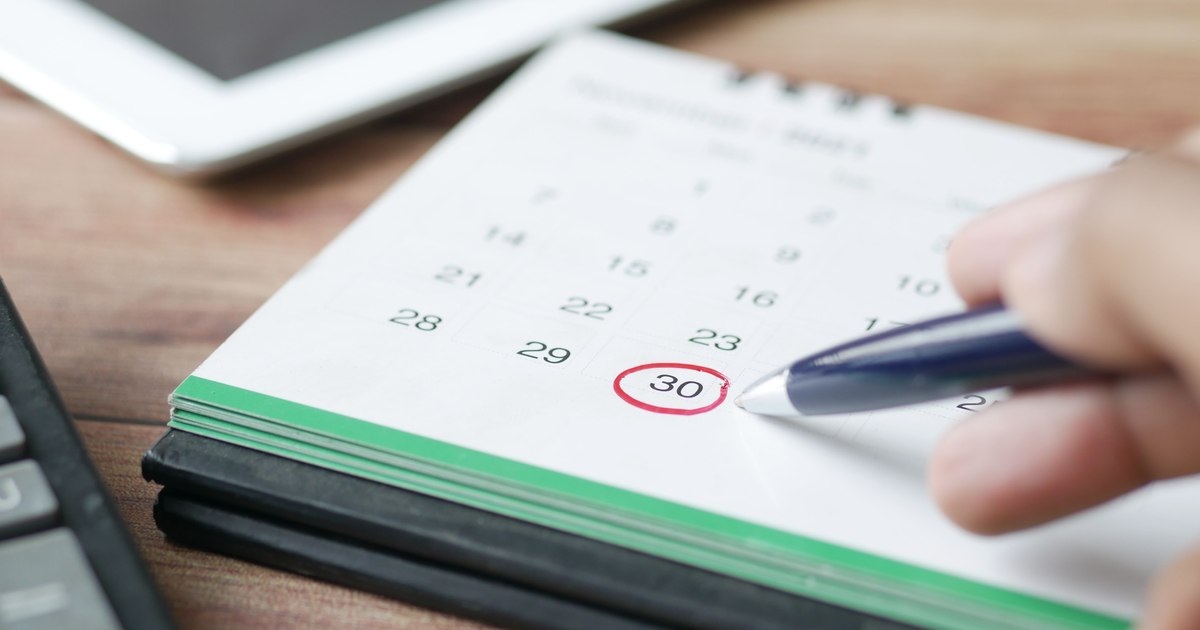
A missed period sends most women straight to a pregnancy test, and that's a reasonable first step. But a late or absent period is your body's broader communication system, not a calendar error — it can be triggered by stress, a hormonal shift, a change in weight, heavy training, a nutrient gap, certain medications, or even a passing illness. Pregnancy is just one possibility among several.
The seven common reasons a period goes missing
Stress. High stress raises cortisol, and elevated cortisol delays ovulation — which delays the period that follows it. Exams, workload, and emotional strain are common triggers, and the effect is usually temporary once the stressor eases.
Hormonal imbalance. When estrogen and progesterone fluctuate outside their usual pattern, the cycle shifts with them. The most common underlying causes are PCOS, thyroid problems, and elevated prolactin levels — each of which can be identified with a simple blood test.
Sudden weight changes. Rapid weight loss or gain disrupts the hormones that drive a regular cycle. Crash diets, a sudden jump in gym intensity, or obesity can all interrupt otherwise-regular periods.
Excess exercise. Overtraining can push body fat too low to sustain normal estrogen production, which shows up as missed periods — a pattern seen often in athletes, dancers, and high-intensity trainers.
Nutritional deficiency. Low iron, vitamin D, or B12 can delay menstrual activity. When nutrition dips low enough, the body deprioritises reproduction in favour of more immediate needs.
Medication or contraceptives. Birth control pills, hormonal implants, and even emergency contraceptive pills can temporarily suppress ovulation, which is an expected, reversible effect rather than a cause for alarm on its own.
Illness or infection. A viral fever, a pelvic infection, or any sudden physical health stress can push the cycle off track for a cycle or two.
What to do first
- Rule out pregnancy with a home test if there's any chance of it — it's quick and it's the first thing worth eliminating
- Notice what else changed recently: a stressful stretch, a diet change, a new medication, a jump in training load, or a recent illness
- Give it one cycle before assuming something is wrong, unless other symptoms are present
Missed periods are your body's communication system — not just a calendar error.
When to see a gynaecologist
- Periods have stopped for two or more consecutive months
- Your cycles have become extremely irregular, not just late once
- New or sudden acne, hair fall, or facial hair has appeared alongside the missed periods
- You're noticing unexplained weight change along with the cycle disruption
Any of these, especially in combination, is worth a clinical visit rather than waiting it out — a simple hormone panel usually narrows down the cause quickly.
Frequently asked
I'm not pregnant, but my period is a week late. Should I worry?
A single late period, especially after a stressful week, a travel schedule change, or a minor illness, is common and usually resolves on its own. It becomes worth checking when it recurs, extends past a week or two, or comes with other symptoms like acne or hair changes.
Can stress alone really stop a period completely?
Yes. Significant stress raises cortisol enough to delay or suppress ovulation, and without ovulation there's no period to have. This is usually temporary and reverses once the stressful period passes, though persistent high stress can cause it to recur.
Does exercising a lot mean I'll stop getting periods?
Not for most people at a moderate level. It becomes a genuine risk with overtraining that drops body fat too low to sustain estrogen production — a pattern more common in competitive athletes and very high-intensity training than in regular exercise.
Is a missed period from stress or diet different from PCOS?
They can look identical on the surface — both cause irregular or missed cycles — which is exactly why a doctor's evaluation and a hormone panel matter rather than guessing from the symptom pattern alone. PCOS tends to be a recurring pattern rather than a one-off, often alongside other signs like acne or excess hair growth.
How long should I wait before seeing a doctor about a missed period?
One missed cycle with an obvious explanation (stress, illness, travel) is usually fine to watch. Two or more consecutive missed periods, or any missed period alongside new acne, hair changes, or unexplained weight shifts, is worth a clinical visit rather than continuing to wait.