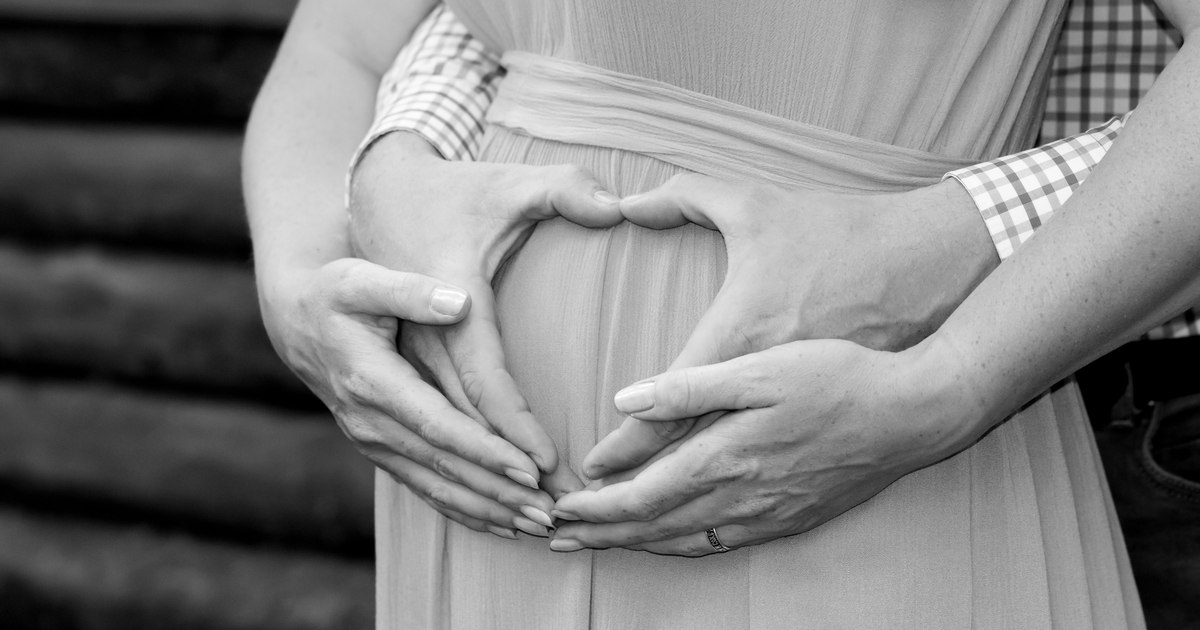
Your baby's ears develop around 18 weeks, and by then they can already hear your heartbeat. Response to voice and music begins around 24–28 weeks, and by about 29 weeks your baby can recognise your voice specifically. But hearing is just one milestone in a longer timeline — the brain and nervous system begin forming even earlier, often before you know you're pregnant.
Weeks 3–8: the brain and nervous system begin forming
Some of the most important structural development happens in the first eight weeks — the neural tube forms and goes on to become the brain and spinal cord, laying the foundation for the entire nervous system. This often happens before a pregnancy is even confirmed, which is exactly why doctors recommend starting folic acid, DHA (omega-3), iron, and choline before conception rather than waiting for a positive test — these nutrients support the neural tube and early brain development during the window when it matters most. For the fuller picture of what to have in place before trying to conceive, see preconception checklist: tests before trying to conceive.
Around 18 weeks: ears develop, heartbeat is heard
By roughly 18 weeks, your baby's ears have developed enough to pick up sound — starting with your heartbeat, which is the first and most constant sound they experience in the womb.
24–28 weeks: responding to voice and music
Somewhere in this window, your baby begins responding to sounds from outside the womb, including your voice and music. This is often when parents start noticing kicks or movement that seem to follow talking or playing music nearby.
After 29 weeks: recognising your voice
By around 29 weeks, your baby's hearing has developed to the point of recognising your voice specifically, distinct from other sounds. This is one reason talking, reading aloud, or singing to your bump in the third trimester is often encouraged — not because it's required, but because your baby is genuinely listening by this stage.
None of this is about accelerating development — it's simply useful to know when your baby is actually capable of hearing you, so you understand what's happening on the other side of the bump.
Why this timeline matters for nutrition
Because neural tube and early brain development happen so early — often before a missed period is even noticed — the nutritional groundwork (folic acid, DHA, iron, choline) is most useful when it's already in place by conception, not started after. See pregnancy nutrition: what your plate does for your baby for how this continues through the rest of pregnancy.
Frequently asked
At what week can a baby hear in the womb?
Ears develop enough to detect sound by around 18 weeks, starting with your heartbeat. Response to voice and music typically follows around 24–28 weeks, with recognition of your specific voice developing after about 29 weeks.
Can my baby hear me talking or singing?
Yes, from around 24–28 weeks onward your baby can respond to voice and music, and by about 29 weeks can recognise your voice specifically.
Why do doctors recommend folic acid before I'm even pregnant?
Because the neural tube — which becomes your baby's brain and spinal cord — forms in weeks 3–8, often before pregnancy is confirmed. Starting folic acid, DHA, iron, and choline before conception means this support is already in place during that critical early window.
Does playing music to my bump help my baby's development?
There's no claim here that it accelerates development — what's established is that your baby can hear and respond to sound from around 24–28 weeks onward, so talking or playing music is simply a way to engage with a baby who is, by that stage, genuinely listening.