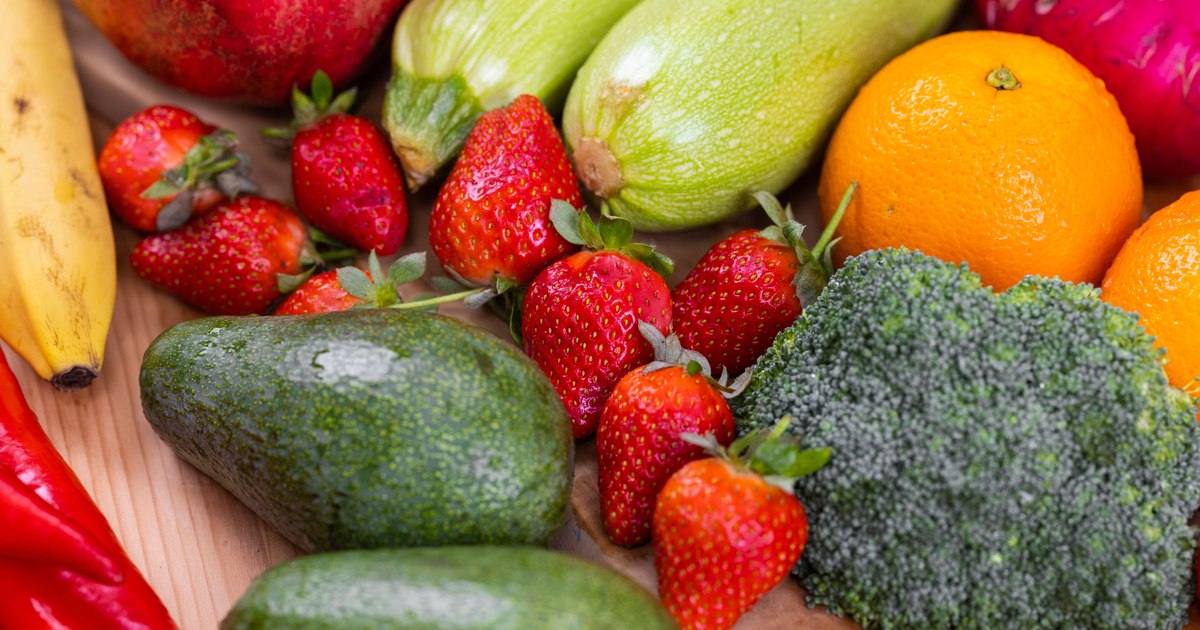
What you eat during pregnancy is information for your baby's developing body. Different nutrients build different parts — iron and omega-3s for the brain, calcium and vitamin D for bones, folate for blood and cell growth, protein for tissue everywhere — and you don't need a perfect diet to cover them, just a plate with a bit of everything, most days. Here's what each nutrient is actually building, which everyday foods supply it, and which foods deserve a regular spot on your plate versus an occasional one.
What each nutrient is building
Think of pregnancy nutrition less as a list of rules and more as raw material for a specific job:
| Building | Key nutrients | Everyday sources |
|---|---|---|
| Brain development | Iron, iodine, omega-3 fatty acids | Nuts, seeds, ghee, fish (where eaten), iodised salt |
| Bone growth | Calcium, vitamin D | Milk, curd, paneer, leafy greens, sunlight |
| Blood and oxygen supply | Iron, folate | Spinach and other leafy greens, lentils, dates |
| Cellular growth (the baby's tissue, growing every day) | Protein, folic acid | Eggs, paneer, lentils, milk |
| Energy for you both | Complex carbohydrates | Oats, rice, quinoa, whole grains |
| Skin and general repair | Vitamins from fruit and vegetables | Seasonal fruit, colourful vegetables |
Simple habits that cover most of this without overthinking it
You don't need to track every nutrient by name to get this right. A few consistent habits do most of the work:
- Don't skip meals. Your baby's development doesn't pause between meals, but skipping them makes it harder to fit in enough of everything across the day.
- Include protein at every meal, not just one — eggs, paneer, lentils, or milk, spread through the day rather than loaded into a single sitting.
- Add variety of fruits and vegetables rather than repeating the same one or two — different colours generally mean different vitamins.
- Take your prescribed supplements (commonly iron, folic acid, and calcium) — food alone often can't fully cover what pregnancy needs, which is exactly why these are prescribed rather than optional.
- Eat small, frequent meals if large ones feel uncomfortable, especially as the pregnancy progresses, and keep your water intake up through the day.
Everyday foods: what deserves a regular spot on your plate
Eating well in pregnancy isn't about eating "perfectly" or cutting out everything you enjoy — it's about knowing which everyday foods deserve a regular spot on your plate versus which ones stay occasional treats.
| Food | Regular spot, or occasional treat? |
|---|---|
| Eggs | Regular — a reliable protein source most days |
| Curd | Regular — protein, calcium, and easy on digestion |
| Bananas | Regular — energy, potassium, and gentle on an unsettled stomach |
| Nuts | Regular, in modest handfuls |
| Maggi / instant noodles | Occasional — fine sometimes, but shouldn't be a frequent meal replacement |
| Chips and packaged fried snacks | Occasional — not a "never," just not a daily habit |
You can still enjoy your favourite foods. The goal is a pattern that leans toward the regular-spot column most days, not a list of things you're never allowed to eat again.
You don't need a perfect diet in pregnancy — you need a plate that leans toward variety and protein most days, with your prescribed supplements filling the rest.
Frequently asked
Is there one "best" pregnancy diet?
No single diet is required. What matters is covering the main building blocks — protein, iron, calcium, folate, and a variety of fruits and vegetables — through foods you can realistically eat every day, alongside your prescribed supplements.
Can I still eat foods like Maggi or chips occasionally?
Yes. Occasional treats are fine. The concern is only when these replace regular, nutrient-dense meals often, not an occasional serving.
Do I need to eat for two?
No — your calorie needs increase only modestly, and mainly in the second and third trimesters. The bigger shift is in what you eat, not simply how much.
Are supplements really necessary if I eat well?
For most women, yes. Requirements for iron, folic acid, and calcium in pregnancy are higher than a typical diet reliably provides, which is why these are prescribed rather than left optional. For a wider look at eating well later in pregnancy specifically, see what to eat in the third trimester.