Between retrieval and transfer, the work shifts to the embryology lab — five quiet days that decide which embryo gets the first chance. Then the transfer itself: the shortest, gentlest procedure of the whole journey.
Five days in the lab
After fertilization (by conventional IVF or ICSI), the embryos divide day by day: two cells, four, eight. By day 5 or 6, the strongest reach the blastocyst stage — the stage at which an embryo would naturally arrive in the uterus. Culturing to day 5 lets the lab watch which embryos develop best, and it's normal for the numbers to narrow at each stage. The embryos that reach blastocyst are graded on their appearance, which guides selection without predicting the outcome.
Fresh transfer or freeze-all
A fresh transfer places an embryo in the uterus a few days after retrieval, in the same cycle. Sometimes freezing all embryos and transferring in a later cycle is the better medical call — for example, when there's a risk of over-response, when progesterone rose early, or when the lining isn't ideal. A frozen transfer is not a lesser option; the lining is prepared with estrogen and progesterone and the embryo is thawed on the day.
The transfer itself
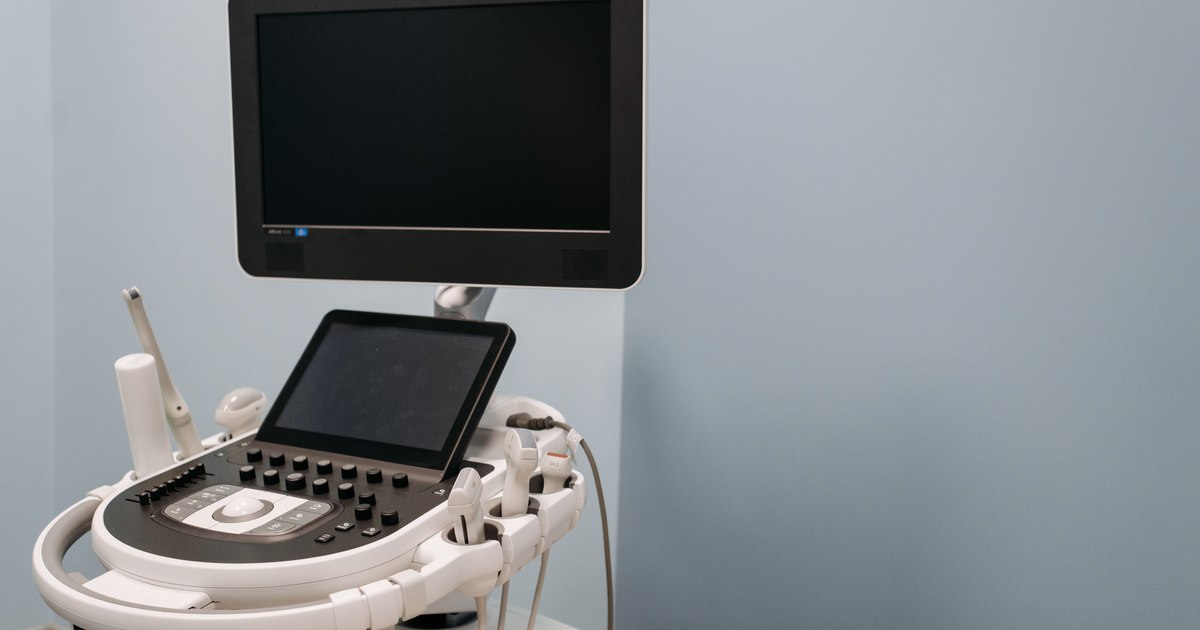
No sedation, no fasting, a comfortably full bladder. Guided by abdominal ultrasound, a soft catheter passes through the cervix and releases the embryo into the uterine cavity — you can usually watch the moment on the screen. It takes minutes and feels like a smear test.
Afterward: no bed rest required
Strict bed rest after transfer doesn't improve success rates — normal gentle activity is fine and encouraged. What continues is progesterone support, which keeps the lining receptive through implantation. Avoid strenuous exercise and heavy lifting, and otherwise live normally; the embryo is not going to fall out.
Frequently asked
How many embryos are transferred?
Usually one, sometimes two — a decision balancing success rates against the real risks of twins. With two embryos, the chance of twins is roughly 20–30%, which is why single transfer is increasingly preferred when embryo quality is good.
What happens to the remaining embryos?
Good-quality spare embryos are frozen and stored — giving future attempts, or a second child, without repeating stimulation and retrieval.
Does the transfer need anaesthesia?
No. It's quick and gentle enough to be done awake, and most women return to normal activity the same day.