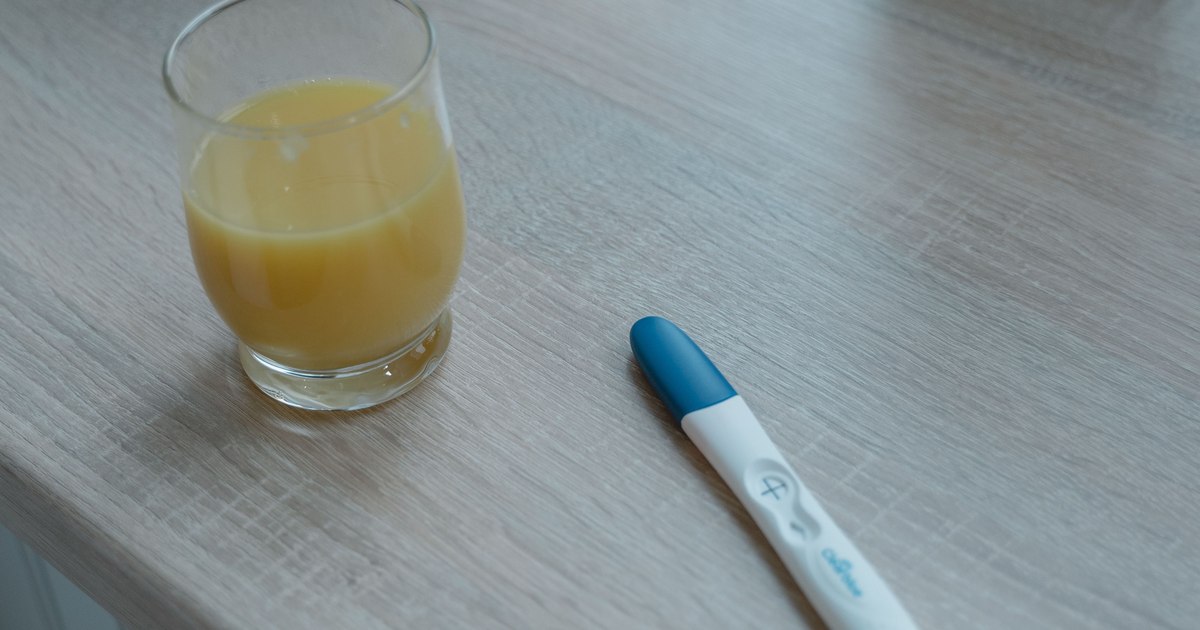
A positive test brings a rush of questions about what to do right away. The honest answer is: not very much needs to happen in the first few days, but a few things matter enough to start promptly. Here's the order they actually come in.
Start folic acid, if you haven't already
If you aren't already taking it, start a folic acid supplement now — 400–500 mcg daily is the typical dose, though your doctor may adjust it based on your history. Your baby's organs, including the neural tube, form in the first 12 weeks, often before you've even had your first appointment, which is exactly why starting early (or ideally before conceiving) matters.
Stay hydrated and eat small, frequent meals
Aim for 2.5–3 litres of fluids a day, and favour small, frequent meals over large ones — this is also one of the more reliable ways to take the edge off early nausea.
Book your first scan and consultation — don't delay it
Your first scan is typically done at 6–8 weeks. Book your first consultation early rather than waiting, so you and your doctor have time to go over your history, any medications, and what the next few months will look like.
Don't ignore pain or bleeding, and skip the internet self-diagnosis
Any pain or bleeding in early pregnancy deserves a call to your doctor rather than a search engine. It's a natural instinct to look things up, but early pregnancy has a wide range of normal, and a quick call settles the question far better than browsing forums.
Keep food simple, and rest when you can
Plain, familiar home food is usually best in these early weeks, especially if nausea is part of the picture. Aim for 7–8 hours of rest where possible, and don't feel you need to push through exhaustion — early pregnancy is genuinely more tiring than it looks from the outside.
The organs that matter most are already forming before most women have their first appointment — which is exactly why folic acid and an early consultation come first on this list, not last.
Frequently asked
Do I need to see a doctor immediately after a positive test?
Not immediately in an emergency sense, but don't delay booking your first consultation — your first scan is typically around 6–8 weeks, and starting that process early gives you more time with your doctor before anything is time-pressured.
Is it normal to feel nothing unusual yet?
Yes. Many women feel largely normal in the very first days after a positive test — symptoms, when they come, tend to build up over the following weeks rather than appear all at once. Early pregnancy symptoms most women miss covers what to actually expect and when.
What foods or habits should I be careful about right away?
The specifics are covered in full in foods to avoid in the first trimester — the short version for this stage is: keep meals simple and home-cooked, and don't delay asking your doctor about any medication you're already taking.
What will my first scan actually show?
At 6–8 weeks, the first scan typically confirms the pregnancy's location, checks for a heartbeat, and dates the pregnancy. Ultrasound scans during pregnancy walks through what each stage of scanning is actually looking for.