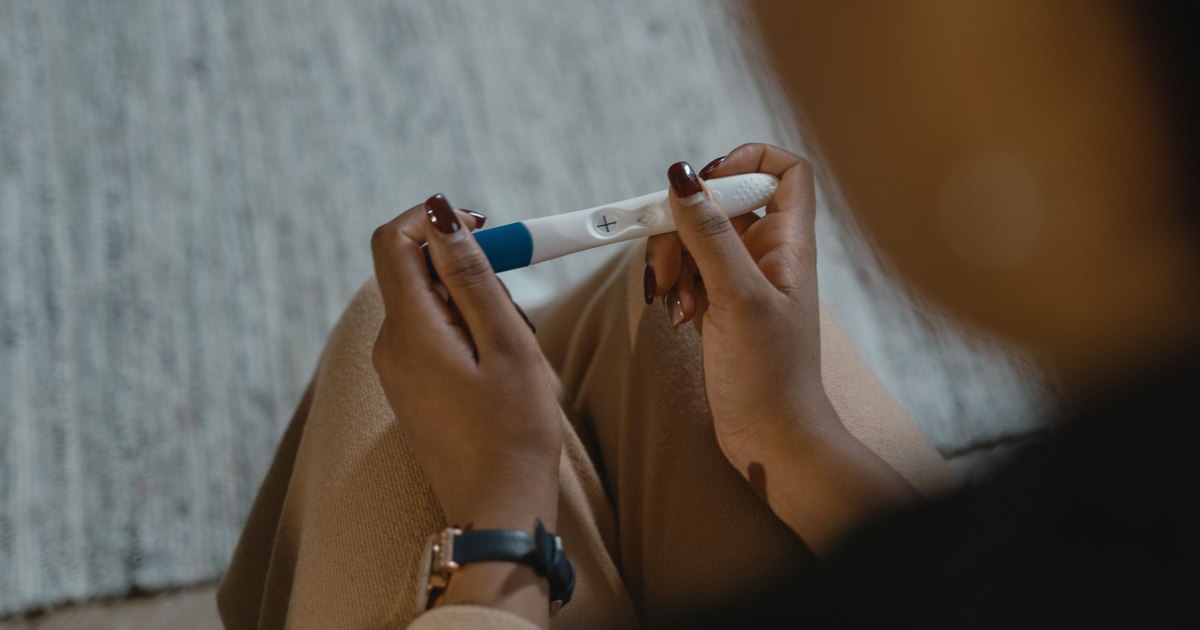
Early pregnancy rarely announces itself with a missed period alone. In the first weeks, rising hormones cause small changes that look like ordinary life: unusual tiredness, a day of light spotting, a sudden dislike for a smell you used to enjoy, tender breasts, mild nausea, bloating. Most women miss these signs not because they are rare, but because they pass for everyday issues.
The five early signs most women dismiss
These are the changes I ask about first when someone is trying to conceive and "just doesn't feel right".
- Extreme tiredness. Not ordinary end-of-day fatigue, but a heaviness that arrives early and doesn't lift with sleep. Rising progesterone is the usual reason.
- Light spotting. A little pink or brown discharge around the time your period was due can happen as the embryo implants. It is lighter and shorter than a period.
- Sudden sensitivity to smells. Cooking, perfume, or coffee that never bothered you suddenly feels unbearable. A heightened sense of smell is one of the earliest hormonal changes.
- Breast tenderness. Fullness, soreness, or tingling that feels stronger than your usual pre-period soreness, and doesn't ease when the period date passes.
- Mild nausea. Queasiness that comes and goes, often worse on an empty stomach, and not necessarily in the morning.
Five more that genuinely surprise people
These come up less often in conversation, so they are even easier to miss.
- Bleeding gums or sore teeth. Hormonal changes increase blood flow to the gums, making them sensitive — sometimes even before a positive test.
- A sudden dislike for tastes. Alongside smells, foods you once loved can suddenly feel wrong.
- Feeling cold or flu-like. Early pregnancy can leave you feeling weak or slightly feverish as your immune system adjusts, without actually being ill.
- Bloating and gas. Progesterone slows digestion, so you may feel full or bloated before a missed period.
- Itchy palms or feet. Hormonal shifts and increased circulation can cause mild itching. It is usually harmless, but persistent or intense itching later in pregnancy should always be checked.
Why these signs are so easy to miss
Every one of these symptoms has an everyday explanation: a stressful week, a heavy meal, a cold going around, the days before a period. None of them is specific to pregnancy on its own, and they vary a great deal between women and even between pregnancies in the same woman.
The pattern matters more than any single sign. Two or three of these arriving together, in the second half of your cycle, in a month you were trying, is the signal worth acting on.
Don't ignore these signals. Take a home pregnancy test, and get clarity at the right time rather than guessing for weeks.
What to do when you notice them
- Take a home pregnancy test. Wait until the day your period is due, or a few days after, for the most reliable result. Testing too early can give a false negative because the pregnancy hormone hasn't risen enough yet.
- Use first-morning urine. It is more concentrated, which helps a faint early line show clearly.
- Retest in two to three days if the line is faint or unclear. A genuine early pregnancy usually shows a darker line on repeat testing — see the faint line guide for how to read it.
- If the test is negative but the symptoms continue and your period still hasn't come, repeat the test after a week. If it stays negative, a missed period has several other possible causes worth looking into.
- If the test is positive, book your first antenatal visit. Start a folic acid supplement if you aren't already on one, and avoid alcohol and smoking.
When to see a doctor sooner
Most early symptoms need no urgent care. Contact your doctor promptly if you have:
- Bleeding heavier than spotting, or bleeding with cramping or one-sided pain
- Severe vomiting that stops you keeping fluids down
- Dizziness or fainting
- A positive test after a previous ectopic pregnancy, or while using an IUD
Frequently asked
How early can pregnancy symptoms start?
Some women notice changes within a week or two of conception, often around the time implantation happens. Many notice nothing until after a missed period. Both are normal.
Can I have early pregnancy symptoms and a negative test?
Yes. If you test before your period is due, the pregnancy hormone may not have risen high enough to detect. Wait a few days and repeat the test with first-morning urine.
Is light spotting in early pregnancy normal?
Light pink or brown spotting around the expected period date is common and often harmless. Heavy bleeding, clots, or bleeding with pain should be assessed by a doctor.
Are these symptoms different from PMS?
Many overlap: breast tenderness, bloating, tiredness, mood changes. The difference is usually persistence. PMS symptoms fade when the period arrives; pregnancy symptoms continue and the period doesn't come.
Do all women get early pregnancy symptoms?
No. Some women feel very little in the first weeks and still have a healthy pregnancy. The absence of symptoms is not a sign that something is wrong.