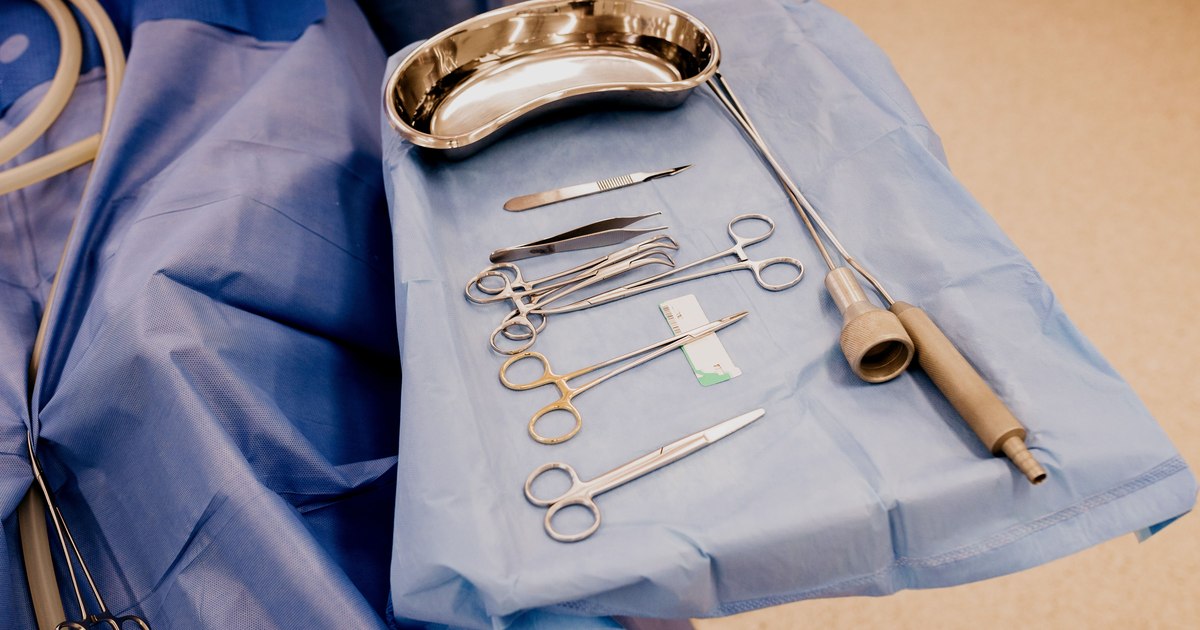
A hysteroscopy is essentially a mini camera tour of the inside of your uterus — a thin, lit telescope passed through the cervix lets your doctor look directly at the uterine cavity, rather than reading it from an image built out of sound waves. Because it's a direct look rather than an ultrasound reconstruction, it can pick up small or subtle findings that an ultrasound sometimes misses.
Why a direct look can see more
An ultrasound builds a two-dimensional picture of the uterus from reflected sound. That's enough for most routine checks, but it can miss or underestimate things that are small, flat, or lying close to the uterine wall — a small polyp, thin adhesions ("scar tissue" bands inside the cavity), a subtle fibroid pushing into the cavity, or a septum (a wall of tissue dividing part of the uterus). These are exactly the kinds of findings that can affect your periods, how an embryo implants, or whether a pregnancy continues — which is why hysteroscopy is often reached for when there's a specific question an ultrasound hasn't fully answered.
What it's considered the gold standard for
For evaluating the uterine cavity itself, hysteroscopy is considered the gold standard — it's the most direct way to see the surface your embryo will need to implant on, or the lining responsible for your periods. Many of the findings it picks up can also be treated in the same sitting: a polyp or band of adhesions found on the camera can often be removed there and then, so diagnosis and treatment happen together rather than as two separate visits.
When your doctor might suggest one
Hysteroscopy usually comes up when symptoms persist despite a normal-looking ultrasound — unexplained heavy or irregular periods, recurrent implantation failure, or recurrent pregnancy loss, where a subtle cavity problem is one of the things worth ruling out. A fibroid that's already been found and is being watched rather than treated (see small fibroids: monitor or surgery) is sometimes reassessed this way too, if its position inside the cavity is in question. It isn't the first test for everyone; it's typically a next step when the ultrasound hasn't given a complete answer.
If your symptoms don't add up with a "normal" ultrasound, a hysteroscopy is often the next place to look — because it sees the cavity directly.
Frequently asked
Is a hysteroscopy painful?
It's generally well tolerated and often done with little to no anaesthesia for a purely diagnostic look, though the exact approach depends on what's being checked and whether treatment is planned in the same sitting. Your doctor will talk you through what to expect for your specific procedure.
Does a normal ultrasound mean I don't need a hysteroscopy?
Not necessarily. An ultrasound is good at ruling out larger or more obvious problems, but it can miss smaller or flatter findings inside the cavity. If your symptoms continue despite a normal scan, your doctor may still suggest a closer look.
Can a polyp or adhesion be treated during the same hysteroscopy?
Often, yes — that's one of the reasons it's useful. Many polyps, small adhesions, or a septum can be addressed in the same procedure where they're found, rather than needing a separate surgery.
Is hysteroscopy only relevant for fertility treatment?
No. It's used for a range of reasons, including heavy or irregular periods and unexplained bleeding, not only for fertility or IVF-related evaluation.