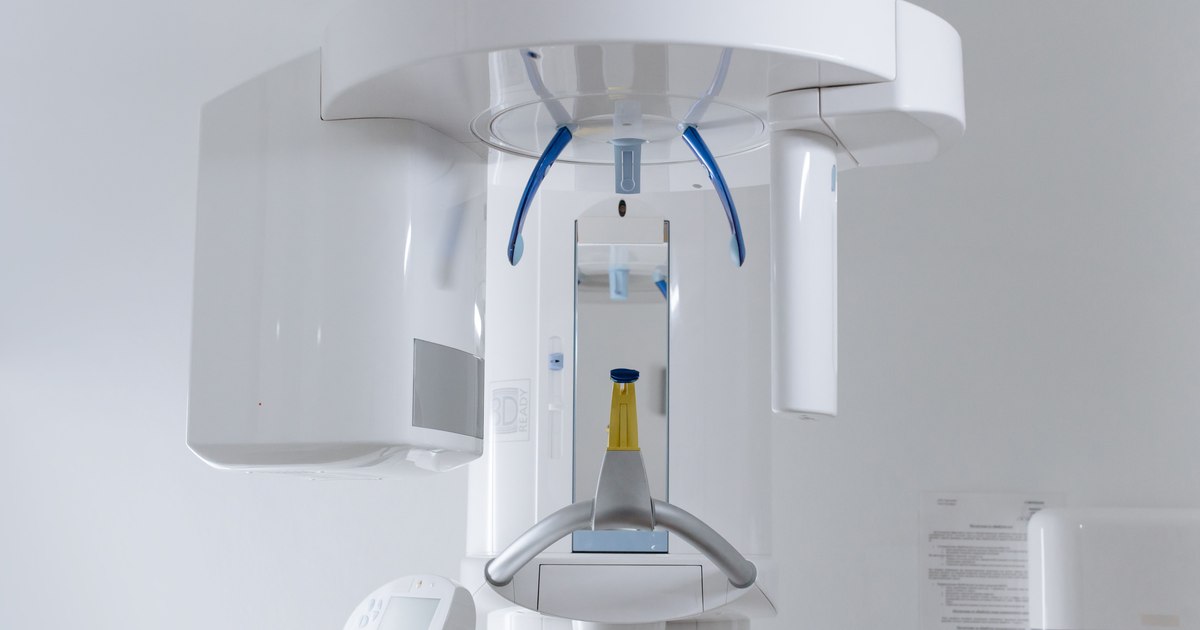
A dental X-ray during pregnancy is considered safe. The radiation dose involved is very small and focused on the jaw, far from the uterus, and a lead apron with a thyroid collar shields your abdomen further. Dental problems don't pause for pregnancy, and untreated infection or pain is a bigger risk than a properly-shielded X-ray.
Why is a dental X-ray considered safe in pregnancy?
Dental X-rays use a low, localised radiation dose aimed at your teeth and jaw — an area well away from your uterus. Combined with a lead apron and thyroid collar, which further shields your abdomen from any scatter, the exposure your baby actually receives is considered negligible. This is why dental bodies and obstetric guidance both treat routine dental X-rays as safe to take when they're clinically needed, at any stage of pregnancy.
What precautions should actually be in place?
- A lead apron and thyroid collar — ask that both be used; this is standard practice at any dental clinic and directly shields your abdomen and thyroid
- Only when clinically needed — your dentist should have a specific reason for the X-ray (diagnosing pain, infection, or a problem that needs treatment), not a routine "while you're here" scan
- Telling your dentist you're pregnant — so they can confirm shielding and choose the most targeted view rather than a broader one
- Digital X-ray equipment where available — modern digital dental X-rays use an even lower dose than older film-based systems
Why shouldn't dental problems wait until after delivery?
Pregnancy hormones can actually make gum inflammation and dental sensitivity worse, and an untreated infection or abscess carries its own risks — including, in some situations, a risk to the pregnancy itself. Avoiding a needed X-ray or treatment out of general pregnancy anxiety can let a manageable problem get worse. Diagnosing and treating dental pain or infection promptly, with proper shielding, is the safer path.
The radiation risk from a single, properly shielded dental X-ray is far smaller than the risk of leaving a dental infection undiagnosed and untreated through pregnancy.
Frequently asked
Is any trimester safer than others for a dental X-ray?
If an X-ray is genuinely needed for pain or infection, it shouldn't be delayed to a "safer" trimester — with proper shielding, the exposure is considered low-risk throughout pregnancy. That said, non-urgent dental work is often more comfortable to schedule in the second trimester, when nausea has usually settled and you can sit through longer procedures more easily.
Does a dental X-ray affect my baby's development?
With correct shielding and a properly localised dose, no meaningful risk to fetal development is expected from a single dental X-ray. It's different from higher-dose imaging elsewhere in the body, which is assessed on its own case-by-case basis by your doctor.
Should I tell my dentist I'm pregnant even if it's not obvious yet?
Yes, always mention it as soon as you know, regardless of how early — it lets your dentist confirm shielding, choose the most targeted X-ray view, and avoid anything non-essential until it's actually needed.
What if I already had a dental X-ray before I knew I was pregnant?
Try not to worry — a single dental X-ray, even without you knowing you were pregnant at the time, involves a very small, localised dose. If you're anxious about it, mention it at your next antenatal visit so your obstetrician can address your specific concern directly.