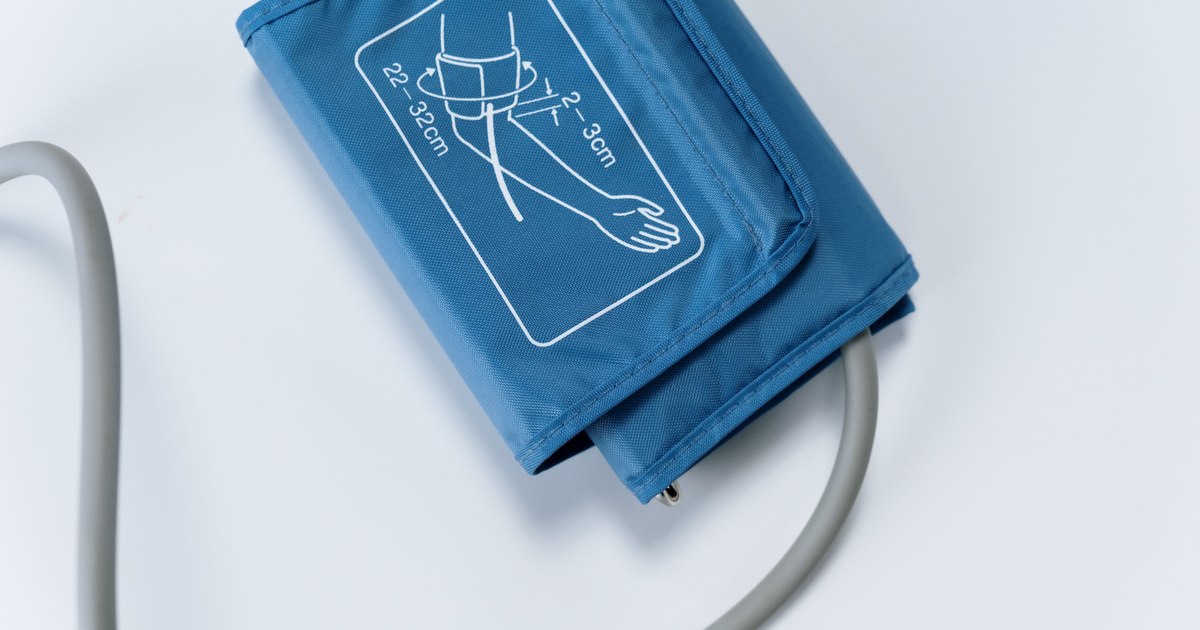
Raised blood pressure discovered weeks after delivery is not normal, and it's not something to monitor at home and wait out. Postpartum preeclampsia and postpartum hypertension can develop even after a completely normal pregnancy and delivery, up to about six weeks after birth in most cases — and it needs the same urgency as high blood pressure in pregnancy would.
Why blood pressure can rise after you've already delivered
It's a common assumption that once the baby and placenta are delivered, the risk of pregnancy-related blood pressure problems ends with it. That isn't always true. Postpartum preeclampsia can develop in women who had entirely normal blood pressure throughout pregnancy and delivery, and postpartum hypertension can also reflect pre-existing blood pressure tendencies that pregnancy hormones had been masking. Either way, a new high reading in the weeks after delivery is a genuine finding, not a measurement error to dismiss.
The readings and symptoms that need urgent attention
- A top number of 140 or higher, or a bottom number of 90 or higher, checked on more than one occasion, is generally considered high blood pressure and needs medical evaluation
- A top number of 160 or higher, or a bottom number of 110 or higher is considered a medical emergency requiring immediate care, regardless of how you feel otherwise
- Severe or persistent headache that doesn't respond to usual painkillers
- Visual changes — blurring, flashing lights, or spots
- Pain in the upper abdomen, often under the right ribs
- Sudden swelling in the face, hands, or legs, especially if it's rapid or new
- Shortness of breath
Any of these alongside a raised reading is a reason to seek care the same day, not to wait for a scheduled follow-up.
Postpartum preeclampsia is treatable when caught, but it's dangerous specifically because it's unexpected — most women aren't watching for a pregnancy complication once the baby has already arrived.
What your doctor will do
Evaluation typically includes a repeat blood pressure check, a urine test for protein, and blood tests to check kidney and liver function alongside platelet count — the same panel used to assess preeclampsia during pregnancy. Depending on the severity, treatment can range from blood pressure medication managed as an outpatient to admission for closer monitoring, exactly as it would during pregnancy.
Frequently asked
Can postpartum preeclampsia happen even if my blood pressure was completely normal throughout pregnancy?
Yes. It can develop in women with no blood pressure issues at any point during pregnancy or delivery. This is exactly why a new high reading afterward should never be assumed to be unrelated to pregnancy.
How long after delivery can this still happen?
Most cases appear within the first one to two weeks, but it can occur up to around six weeks postpartum, and in occasionally reported cases even a little later. There's no point at which a new high reading can be assumed to be unrelated to the pregnancy.
Is this the same as high blood pressure that isn't related to pregnancy at all?
Not necessarily — that's something your doctor sorts out through testing. Either way, a raised reading found in the weeks after delivery needs proper evaluation rather than being left unchecked, whatever the eventual cause turns out to be.
If I don't have a headache or swelling, is a high reading still worth acting on?
Yes. Some women have a genuinely high reading with few or no symptoms at first. Don't wait for symptoms to appear before getting a raised reading checked — the reading itself is the reason to seek care.