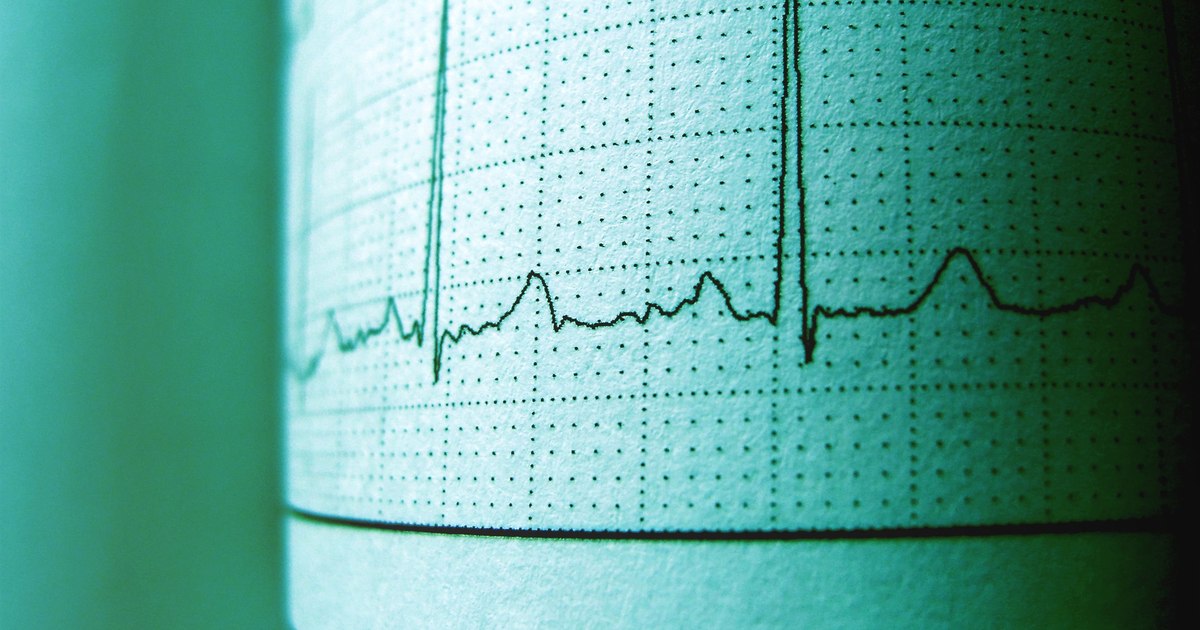
Pregnancy changes your heart's electrical activity and position enough that an ECG taken while pregnant can show findings — a faster heart rate, a shifted axis, small extra beats — that would prompt questions outside pregnancy but are simply expected physiology once your doctor reads them in context. That's usually why a printout that looks alarming gets read back to you as normal.
Why does pregnancy change your ECG at all?
Pregnancy increases your blood volume by roughly a third to a half over the nine months, and your heart works harder to move it — it beats faster and pumps more blood with every beat. As your uterus grows, it also pushes your diaphragm upward, which physically shifts your heart's position in your chest. An ECG reads the heart's electrical signal relative to its position, so a heart that's tilted and working harder produces a different-looking trace than it would pre-pregnancy — without anything being wrong.
What specific changes are considered normal in pregnancy?
- A faster resting heart rate (sinus tachycardia) — a higher baseline pulse throughout pregnancy is expected, not a sign of a problem on its own
- A shifted electrical axis — as the heart tilts with the growing uterus, the direction the electrical signal appears to travel on the ECG shifts too
- Occasional extra beats (benign ectopics) — small, isolated extra or skipped-feeling beats are common in pregnancy and usually harmless when they're infrequent and you have no other symptoms
- Minor ST-segment or T-wave changes — subtle, non-specific variations that would sometimes prompt further testing outside pregnancy are more often benign pregnancy-related findings when read in that context
What is your doctor actually checking for?
Reading a pregnancy ECG isn't about ignoring the changes — it's about telling ordinary pregnancy physiology apart from something that genuinely needs attention. Your doctor is weighing the ECG pattern against your symptoms and history together:
| What's reassuring | What prompts a closer look |
|---|---|
| Changes match the pattern above, no symptoms | Chest pain, real breathlessness at rest, fainting |
| Normal sinus rhythm, just faster | Sustained palpitations that don't settle |
| No personal or family history of heart disease | A known pre-existing heart condition |
| Findings stay stable across your pregnancy visits | A new or worsening pattern between visits |
An ECG in pregnancy is read against a different baseline than an ECG outside pregnancy — the same trace can mean two different things depending on whether the heart reading it belongs to is pregnant.
Frequently asked
Should I be worried if my ECG shows something abnormal but I feel fine?
Not automatically — feeling fine, alongside a stable pattern your doctor recognises as typical pregnancy physiology, is itself part of the reassurance. If you're anxious about a specific finding, ask your doctor to walk you through exactly what it shows and why it's being read as normal for pregnancy; you're entitled to that explanation.
Can pregnancy actually cause a new heart problem, or is it always just the ECG looking different?
Most changes are just how a normal pregnant heart looks on paper — but pregnancy can occasionally reveal or worsen a genuine heart condition, which is exactly why symptoms (not just the ECG) matter. That's why real red flags like chest pain, breathlessness at rest, or fainting are always followed up properly rather than dismissed as "normal for pregnancy."
Do all pregnant women need an ECG, or only some?
Practice varies — some clinics do a routine baseline ECG, while others order one only if there's a symptom, a risk factor, or a pre-existing condition that warrants it. Ask your obstetrician what their standard approach is and why, so you know what to expect.
Will my ECG go back to normal after delivery?
The pregnancy-related changes are driven by the extra blood volume and the heart's shifted position, both of which reverse after delivery, so most pregnancy-associated ECG changes settle back over the following weeks as your body returns to its pre-pregnancy state.