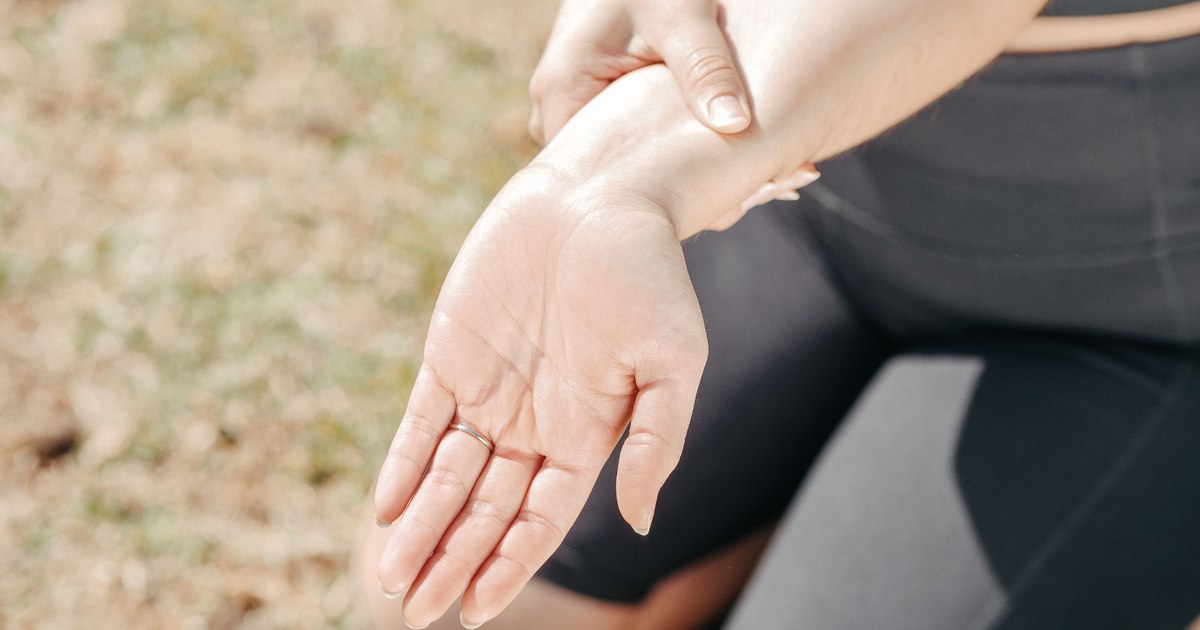
Joint pain and mild swelling in the hands, knees or feet in the months after delivery is common and usually settles on its own as pregnancy hormones and fluid levels normalise. It's rarely the first sign of anything serious. A smaller group of patterns — swelling that doesn't improve after a couple of months, or pain with prolonged morning stiffness in matching joints on both sides — are worth a doctor's check rather than waiting out.
Why joints ache and swell after delivery
- Relaxin and other pregnancy hormones loosen your ligaments and joints throughout pregnancy to prepare your pelvis for delivery, and it takes weeks to a few months for this effect to fully reverse — in the meantime, joints can feel looser, stiffer, or achier than usual
- The significant fluid your body retained during pregnancy is still being mobilised and cleared in the weeks after delivery, and some of that fluid shift can show up as swelling around joints, not just in the ankles
- Carrying and feeding a newborn repetitively strains specific joints — the wrists and base of the thumb especially, from repeatedly lifting and holding a baby in the same positions, a pattern sometimes called "mommy thumb" or "mommy wrist" (De Quervain's tenosynovitis)
- Vitamin D or calcium levels that dropped during pregnancy and breastfeeding, if not adequately replaced, can contribute to generalised joint and bone discomfort
- Sleep deprivation doesn't cause joint swelling directly, but it does make ordinary aches feel more noticeable and harder to tolerate
A less common but real cause: postpartum thyroiditis
Some women develop a temporary thyroid inflammation in the months after delivery (postpartum thyroiditis), which can include joint aches among its symptoms alongside fatigue, mood changes, or palpitations. If joint discomfort comes with several of these other symptoms, mentioning it to your doctor is reasonable — a simple thyroid blood test can check for this.
When it's worth a doctor's check, not just waiting
- Swelling that hasn't meaningfully improved by two to three months after delivery, rather than gradually easing
- Morning stiffness in the same joints lasting more than about 30 minutes, especially if it's in matching joints on both sides of the body (both wrists, both knees)
- Redness, warmth, or fever alongside the joint swelling
- Pain or swelling that's getting worse rather than better over the weeks since delivery
These patterns — persistent, symmetric, with prolonged morning stiffness — are what prompt a doctor to check blood markers for inflammatory arthritis, since some autoimmune joint conditions can first appear in the postpartum period. This is uncommon, but it's exactly why the pattern matters more than the symptom alone.
Mild, improving joint aches in the months after delivery are expected as your body's pregnancy changes reverse. Swelling that persists past a couple of months, or comes with prolonged morning stiffness on both sides, is the pattern that's actually worth a doctor's visit.
What helps in the meantime
- Supporting your wrists when lifting the baby — using both hands, alternating arms, and avoiding repeatedly lifting with the thumb extended can ease wrist and thumb strain
- Continuing any postpartum vitamin D, calcium and iron supplementation your doctor recommended, since deficiencies in any of these can worsen general aches
- Gentle movement and stretching rather than complete rest, which can help with the stiffness that comes from reduced activity in the early postpartum weeks
- Mentioning it at your postpartum check-up even if it feels minor — this is a routine thing to flag, not something you need to wait for a separate appointment to raise
Frequently asked
Is it normal for my hands to feel stiff in the morning after delivery?
Mild morning stiffness that eases within a short time after you start moving is common in the postpartum period and generally not a concern. Stiffness that regularly lasts more than about 30 minutes, especially in the same joints on both hands, is the pattern worth mentioning to your doctor.
How long does postpartum joint pain usually last?
For most women, joint aches related to pregnancy hormones and fluid shifts ease gradually over the first two to three months after delivery as those levels normalise. Pain or swelling that hasn't improved by then is reasonable to get checked rather than continuing to wait.
Can breastfeeding affect my joints?
Breastfeeding itself doesn't directly cause joint pain, but the repetitive positions used for feeding and holding a baby can strain the wrists similarly to general baby-carrying, and low vitamin D or calcium during breastfeeding, if not replaced, can contribute to general aches.
Could this be rheumatoid arthritis starting after my pregnancy?
It's uncommon, but inflammatory arthritis can occasionally first appear in the postpartum months. The pattern that raises this possibility is swelling and stiffness that persists, is symmetric (same joints on both sides), and comes with morning stiffness over 30 minutes — if that describes what you're experiencing, it's worth a doctor's evaluation and blood tests rather than assuming it's ordinary postpartum aching.
Should I take a painkiller for postpartum joint pain while breastfeeding?
Several over-the-counter pain relief options are commonly considered compatible with breastfeeding, but which one and at what dose should be confirmed with your doctor based on your specific situation rather than self-selected, especially this soon after delivery.