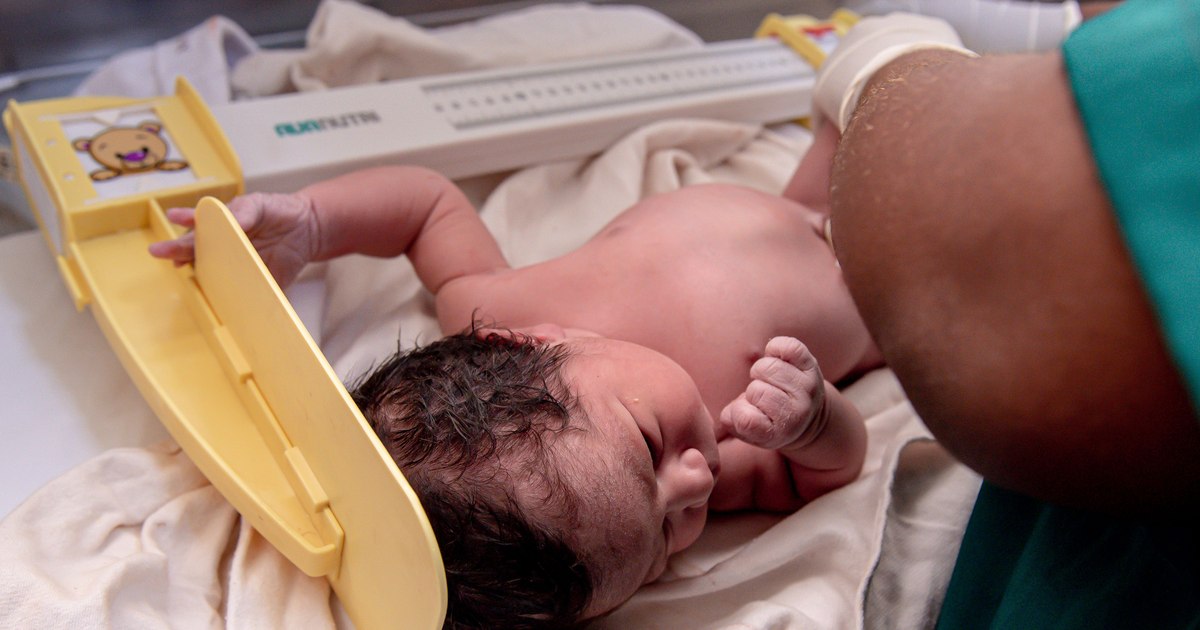
A newborn who hasn't regained their birth weight by 20 days is past the usual window (most babies get back to birth weight by around two weeks), so it's worth a doctor's look rather than more waiting — but it's most often a feeding-pattern issue that's fixable once identified, not a sign of anything more serious.
Why newborns lose weight in the first place
Almost every newborn loses some weight in the first few days of life — this is normal and expected, driven mostly by fluid loss before feeding is fully established. Doctors generally expect that loss to level off within the first week and then reverse as feeding settles into a rhythm, with birth weight typically regained by around two weeks of age.
Why 20 days without regain is worth a proper check
By 20 days, a baby who's still below birth weight has usually crossed from "still settling in" into "worth understanding why." Common, fixable reasons include:
- Feeding frequency or duration — newborns typically need to feed 8–12 times in 24 hours; fewer, shorter, or inconsistent feeds add up over three weeks
- Latch quality, if breastfeeding — a shallow or inconsistent latch can mean baby is at the breast without transferring enough milk
- Maternal milk supply — sometimes low, sometimes just not yet fully established
- An underlying feeding difficulty, such as tongue-tie, that makes efficient feeding harder
- Less commonly, a medical cause unrelated to feeding — which is exactly why this needs an exam rather than a guess
What a doctor visit actually involves
- A weight check against a growth curve, not just the birth-weight number in isolation
- A feeding assessment — how often, how long, and (if breastfeeding) a look at the latch itself
- Counting wet and dirty diapers as a rough real-world gauge of intake
- Ruling out other causes if the feeding picture looks adequate but weight still isn't tracking up
What to watch for at home in the meantime
- Fewer than 6 wet diapers a day past the first week
- A baby who seems constantly hungry, or who feeds for a very long time without settling
- Unusual lethargy, poor skin colour, or a weak cry — these warrant same-day medical attention, not a wait-and-watch
A slow weight regain by three weeks is common enough to be a routine pediatric visit, not an emergency — but it's a "go get it checked" signal, not a "give it more time" one.
Frequently asked
Is it normal for a newborn to lose weight after birth?
Yes — nearly all newborns lose some weight in the first few days, mainly from fluid shifts before feeding is fully established. Doctors expect this loss to stop and reverse within the first one to two weeks.
By what age should a newborn have regained their birth weight?
Most newborns are back to their birth weight by around two weeks of age. Still being below it at three weeks is past the typical window and worth a doctor's evaluation.
Could this mean my breast milk isn't enough?
It's one possibility, but not the only one — feeding frequency, latch quality, and how efficiently your baby is transferring milk all matter as much as supply itself. A feeding assessment is how your doctor figures out which factor is at play.
What if the weight check shows my baby is still gaining, just slowly?
That's a different, generally more reassuring picture than no gain at all — your doctor will look at the trend on the growth curve rather than the birth-weight number alone, and may just want closer follow-up rather than immediate intervention.