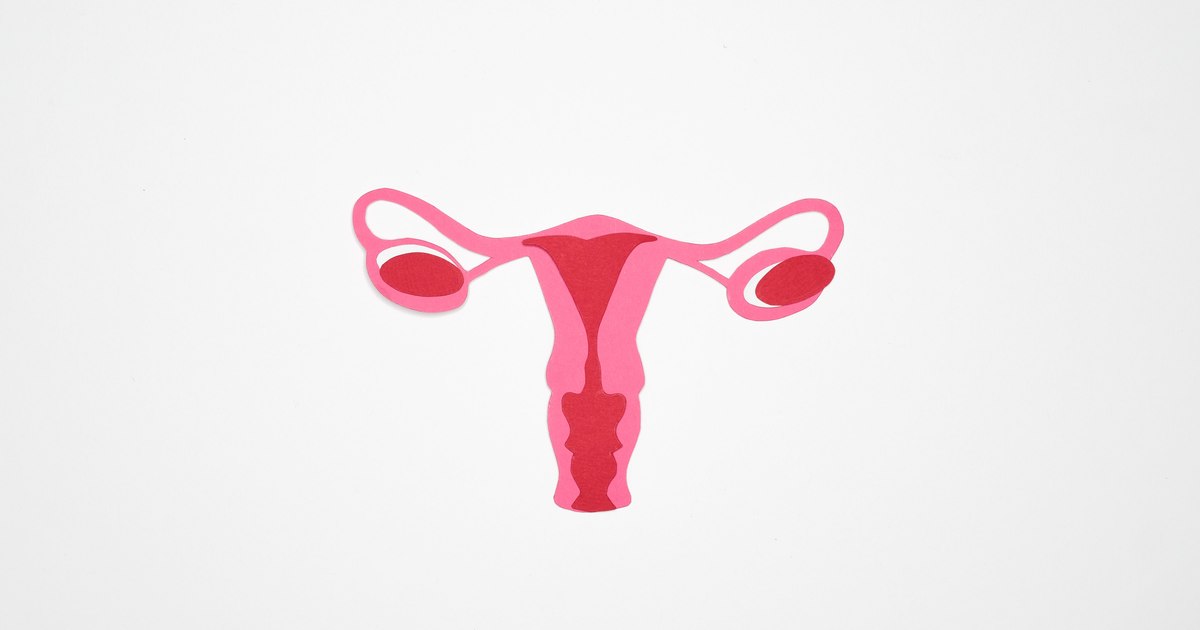
A bilateral fimbrial block found on an HSG means both fallopian tubes are blocked at their far end, near where they'd normally pick up the egg. When the blocked ends are also dilated, a pattern often called hydrosalpinx, natural conception becomes very unlikely, and doctors generally weigh IVF against tube-opening surgery rather than assuming surgery is always the first option.
What an HSG is actually showing
A hysterosalpingogram (HSG) is an X-ray test where dye is passed through the uterus and tubes to check whether they're open and how the dye moves through them. Two separate things matter in the report: whether the tubes fill with dye at all, and whether the dye spills freely out the far end into the pelvis.
A "fimbrial block" means the dye reaches the tube but doesn't spill out at the fimbrial end, the delicate, finger-like structure that normally catches the egg released from the ovary. When that blocked end is also seen as dilated or swollen with fluid, the pattern is often described as hydrosalpinx, and it changes how the tube is likely to function even if surgery reopens it.
Why doctors generally lean toward IVF in this pattern
With both tubes affected and a dilated, hydrosalpinx-type blockage, natural conception is very unlikely, since sperm and egg have no reliable functioning pathway to meet. This is different from a single blocked tube with a normal one on the other side, where natural conception may still be possible.
Reconstructive tubal surgery (opening the blocked end, sometimes called fimbrioplasty or salpingostomy) can restore some tubes, but success is generally lower specifically when the tube is already dilated in a hydrosalpinx pattern, compared to a tube that's blocked without that dilation. This is the main reason IVF is usually the preferred route once a bilateral, dilated block is confirmed: it bypasses the tubes entirely rather than relying on a structure that's less likely to work well even after surgical repair.
There's an added consideration with hydrosalpinx specifically. Fluid sitting in a dilated tube can potentially leak back into the uterus, and this fluid is generally considered unfavourable to an embryo trying to implant. Because of this, doctors often discuss addressing the affected tube itself, sometimes with a procedure to remove it or block it off, before or alongside IVF, specifically to improve the uterine environment for implantation. Whether this applies to a particular case, and which approach fits best, is something only an in-person fertility specialist can determine.
A dilated, bilateral tubal block is exactly the pattern where IVF is usually favoured over surgery to reopen the tubes, but the right plan still depends on the rest of your individual picture.
What this doesn't tell you
An HSG report showing bilateral fimbrial block doesn't, by itself, give a personal success rate for surgery or for IVF, and it doesn't set a cost. Those depend on age, ovarian reserve, the rest of the fertility workup, and the specific clinic and protocol, which is exactly the kind of thing that needs an in-person consultation rather than a number found from a report alone.
Frequently asked
Can I still conceive naturally with a bilateral fimbrial block?
It's very unlikely, especially when the block is described as dilated or hydrosalpinx-type on both sides, since there's no reliable open pathway for the egg and sperm to meet.
Is surgery to open the tubes a good option here?
It's possible, but success tends to be lower specifically in a dilated, hydrosalpinx-type block compared to a tube that's blocked without dilation. This is a big part of why IVF is generally discussed as the primary route once this specific pattern is confirmed, though your fertility specialist will factor in your full picture before recommending either.
Why would a doctor want to treat the tube before doing IVF?
Fluid sitting in a dilated, hydrosalpinx-affected tube can potentially reach the uterus and is generally considered unfavourable for embryo implantation. Some doctors address the affected tube surgically before or alongside IVF specifically to improve the chances of implantation, but whether this applies to you needs an in-person evaluation.
What determines my actual chance of success with IVF in this situation?
Age, ovarian reserve, sperm quality, and the rest of your fertility workup all factor in together, and these numbers are genuinely individual. Please discuss your own likely outcomes and the realistic cost with a fertility specialist directly, rather than relying on a general percentage or figure.
Does a fimbrial block on just one side change the picture?
Yes, meaningfully. A single blocked tube with a normal, open tube on the other side still leaves a working pathway, so natural conception may remain possible, and the surgery-versus-IVF discussion is generally different from a bilateral, dilated block.