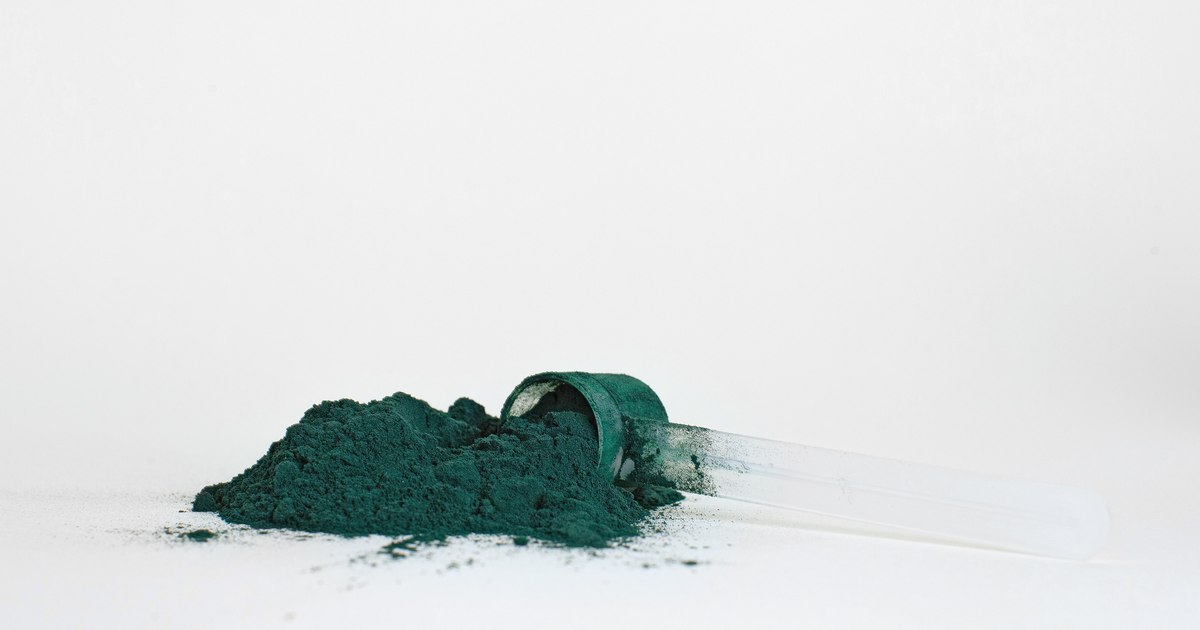
Plain plant protein powder is generally considered reasonably safe during breastfeeding, but apple cider vinegar (ACV) tablets and traditional weight-gain churnas are a different story — both often contain concentrated or unlisted ingredients that haven't been studied in breastfeeding and are harder to vouch for. The safety of each depends heavily on what else is in the product, not just the headline ingredient on the label.
Plant protein powder
- A plain, single-ingredient plant protein powder (pea, soy, or a simple blend, without added stimulants, herbs, or "fat burner" extras) is generally considered compatible with breastfeeding, in the same way that eating more protein-rich food would be
- The concern is almost never the protein itself — it's what else is often added to commercial protein powders: caffeine, herbal extracts, artificial sweeteners in large amounts, or ingredients not meant for nursing mothers
- Read the full ingredient list, not just the front label. "Plant protein" products marketed for weight loss often add extras that a plain protein supplement wouldn't have
- More protein isn't automatically better — your actual increased protein need during breastfeeding is moderate, and a reasonable diet often covers it without supplementation at all
Apple cider vinegar (ACV) tablets
- ACV tablets are a concentrated, compressed form of something normally used in small liquid amounts in cooking — the concentration and dosing in tablet form hasn't been specifically studied in breastfeeding women
- There's no good safety data either way — not because it's known to be harmful, but because it simply hasn't been studied in this population, which is reason enough for caution rather than reassurance
- ACV is often marketed for weight loss or blood sugar control, and it's the marketing claims — not the vinegar itself — that should raise your guard, since products chasing a weight-loss promise are also more likely to contain additional undisclosed ingredients
- The general advice is to avoid concentrated supplement forms of ACV while breastfeeding, and if you want vinegar in your diet, use it the way it's normally used in cooking rather than as a tablet
Weight-gain churnas
- Traditional churnas (herbal powders) marketed for weight gain are the hardest to vouch for, because they're often proprietary blends without a clear, verified ingredient list or standardised dosing
- Some herbs commonly used in weight-gain formulations haven't been studied for breastfeeding safety at all, and a few herbal compounds are known to pass into breast milk and can affect a baby, or affect your own milk supply
- "Natural" or "Ayurvedic" doesn't automatically mean safe during breastfeeding — it means it hasn't necessarily been through the same safety evaluation as a standard medicine, which cuts both ways
- If you're trying to gain weight while breastfeeding, a calorie-dense, nutrient-rich diet is the first and safest route — nuts, ghee, dairy, and protein-rich foods — rather than reaching for an unverified herbal formulation
The general rule across all three
- Single, well-known food-based ingredients in reasonable amounts are generally lower risk than concentrated supplement or proprietary-blend forms
- Anything marketed specifically for rapid weight loss or weight gain deserves extra scrutiny, since that marketing angle often comes with added, unlisted, or unstudied ingredients
- When in doubt, bring the actual product (or its full ingredient list) to your doctor rather than asking about the category in general — a specific product's label is what actually determines the answer
If a supplement's safety in breastfeeding is genuinely unclear, choosing food-based alternatives first and discussing the specific product with your doctor before starting it is the safer path.
Frequently asked
Can I take a protein shake every day while breastfeeding?
A plain protein supplement without added stimulants or weight-loss ingredients is generally fine for regular use, as long as your overall diet and calorie intake remain adequate for breastfeeding. If you're unsure about a specific product's additional ingredients, check with your doctor.
Is diluted apple cider vinegar in water safer than ACV tablets?
Using small amounts of vinegar the way it's normally used in food or diluted drinks is generally considered lower risk than a concentrated tablet form, simply because the dose is much smaller and closer to typical dietary use — but there still isn't dedicated breastfeeding safety data either way, so moderation is still sensible.
My family wants me to take a specific churna that's been used for generations — is it definitely unsafe?
Not necessarily unsafe, but "used for generations" doesn't substitute for safety data in breastfeeding specifically, and many churnas use proprietary blends that are hard to verify. It's reasonable to bring the product or its ingredient list to your doctor and ask about it directly, rather than assuming either way.
What's actually the safest way to gain weight while breastfeeding?
Increasing calorie-dense, nutrient-rich whole foods — nuts, seeds, ghee, dairy, and protein sources — is the most reliably safe approach, since it doesn't introduce any unverified supplement into your milk. If weight gain is difficult despite adequate eating, that's worth discussing with your doctor to rule out other causes.