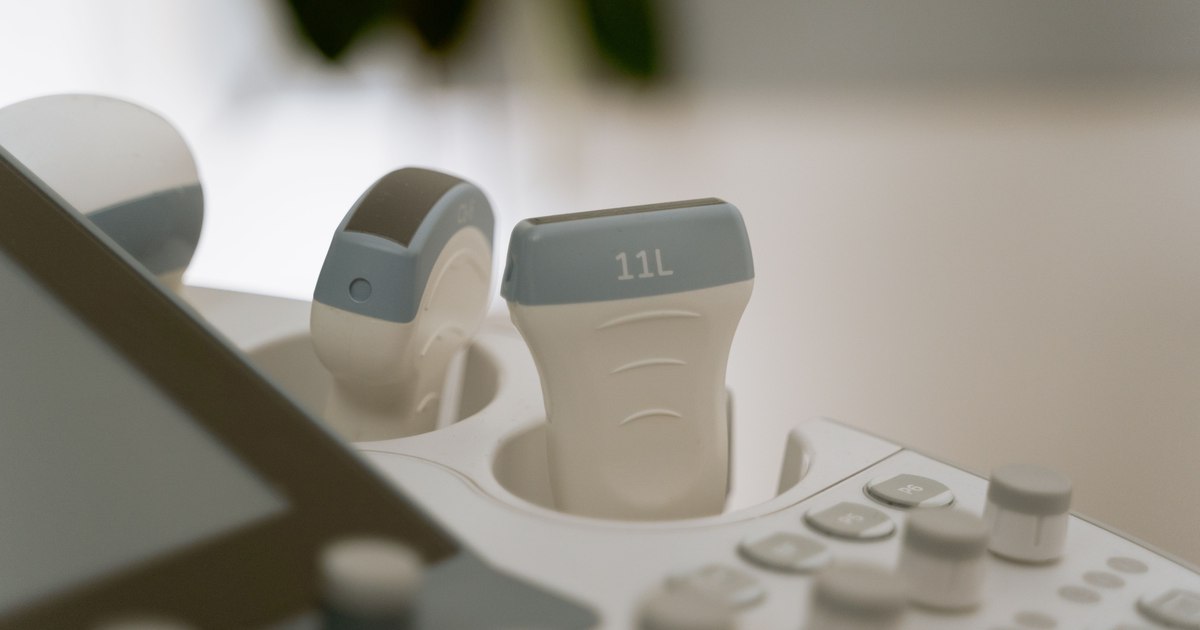
Follicular monitoring is the series of transvaginal ultrasound (TVS) scans done through a fertility cycle to track how your follicles are growing, how thick your uterine lining is, and exactly when to time the next step. It's why a single IUI or IVF cycle usually means several scan visits, not one — timing depends on watching these change day by day, not a single snapshot.
What each scan is actually checking
- Follicle growth during stimulation — the scan measures the size of the growing follicles in each ovary, which is how your doctor judges how your ovaries are responding to stimulation medicines and whether the dose needs adjusting
- Endometrial (uterine lining) thickness — tracked alongside follicle growth, since the lining needs to reach a suitable thickness for an embryo to implant
- Timing for the trigger shot and retrieval or IUI — once the lead follicles reach the right size, the scan findings are what determine the day for the trigger shot and the retrieval or insemination that follows it
- Ovulation in natural or minimally-stimulated cycles — in cycles without full stimulation, the same scans track the single dominant follicle to time intercourse or IUI around ovulation
- Early pregnancy after IVF or IUI — scanning continues briefly afterward to confirm what happens next in the cycle
Why it takes several scans, not one
A single scan only shows a snapshot — it can't show whether a follicle is growing at the expected rate, slowing down, or has plateaued. Because the timing of the trigger shot, retrieval, and insemination all depend on precise follicle size and growth pattern, your doctor needs to see the trend across several scans in the same cycle, typically every couple of days as the lead follicles approach maturity. This is also why follicular monitoring is distinct from a transvaginal scan done for pregnancy safety reasons — here, the scan's whole purpose is tracking change over the cycle, not a one-time check.
Follicular monitoring exists because fertility-cycle timing depends on a trend, not a single number — which is exactly why it takes several scans to get right.
Frequently asked
How many scans will I need in one fertility cycle?
This varies by how your ovaries respond and your specific protocol, but most stimulated cycles involve several scans in the back half of the cycle, spaced a couple of days apart as the follicles approach maturity. Your doctor will tell you the expected schedule based on how your early scans look.
Does follicular monitoring hurt?
A transvaginal ultrasound is generally not painful, though it can feel like mild pressure. It's the same type of scan used elsewhere in gynaecology and early pregnancy care.
What does it mean if my follicles are growing more slowly than expected?
Your doctor may adjust your medication dose or extend the stimulation period by a day or two — this is a normal part of what follicular monitoring is for. It doesn't necessarily mean the cycle won't work; it's exactly the kind of course-correction these repeated scans are designed to catch early.
Is follicular monitoring the same as counting how many eggs I'll get?
Not exactly. The scan measures follicle size, which is used to estimate the number of eggs likely to be mature enough to retrieve — see what the mature-follicle number on your report means for how that estimate is read. The actual number and quality of eggs retrieved can still differ somewhat from the scan estimate.