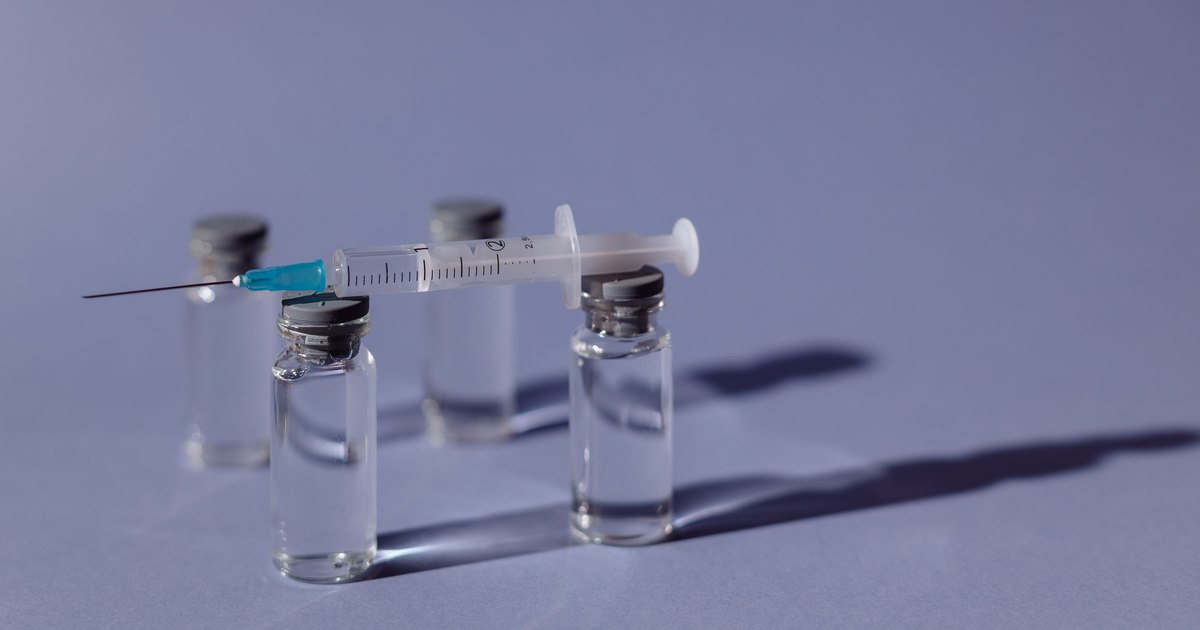
A trigger shot is an hCG injection that tells your eggs to finish maturing and get ready to release — the final step after days of ovarian stimulation. Ovulation (or egg retrieval, in IVF) is timed off this single injection, usually 36 to 40 hours later, which is why its timing is set precisely and never adjusted on your own.
What the trigger shot actually does
Through stimulation, your follicles grow but the eggs inside them aren't fully mature yet. The trigger injection (hCG, or sometimes a GnRH-agonist) delivers the hormonal signal that a natural LH surge would — it tells the eggs to complete maturation and prepares them to be released from the follicle, or collected during retrieval. Everything that follows — ovulation, an IUI, or an egg retrieval — is scheduled around this one shot.
Why the exact timing can't be flexible
- Ovulation follows a predictable window — typically 36 to 40 hours after the trigger, which is why your IUI or retrieval date is fixed the moment the trigger is given
- Too early or too late changes the outcome — eggs retrieved before they're mature, or after ovulation has already happened on its own, can mean a cancelled or less effective cycle
- The dose and injection time are decided by your doctor based on your scans and hormone levels that cycle — never self-adjusted, even by a few hours
- No self-medication — don't repeat, skip, or re-time the dose without your doctor's explicit instruction, even if you feel you "should have" taken it earlier in a previous cycle
After the trigger: what to expect, and when to call
Mild bloating or tenderness in the days after the trigger is common, since the ovaries are still enlarged from stimulation. Report severe pain, significant bloating, or breathlessness to your doctor promptly — these can be early OHSS warning signs, and OHSS warning signs and prevention covers what to watch for in full.
The trigger shot's job is to put ovulation on a clock — which is exactly why its timing, dose, and route are set by your doctor and followed exactly, not adjusted at home.
Frequently asked
How soon after the trigger shot does ovulation happen?
Usually 36 to 40 hours afterward. That's why your IUI procedure or egg retrieval date is fixed the moment the trigger is given — IUI procedure day and retrieval are both scheduled around this window, not around a calendar guess.
What happens if the trigger shot is taken late or missed?
Talk to your doctor immediately rather than deciding on your own — a late or missed trigger can shift or disrupt the timing of ovulation, retrieval, or insemination that cycle. Your clinic will tell you whether the plan can still proceed or needs to be adjusted.
Can I take the trigger shot at a different time than prescribed if it's more convenient?
No. The time is calculated backward from your scheduled procedure, down to the hour — moving it, even by a few hours, shifts when ovulation happens and can mean the procedure no longer lines up with it. Follow the exact time your doctor gives you.
Is pain or bloating after the trigger shot normal?
Mild bloating or tenderness is common and expected, since the ovaries are still enlarged from stimulation. Severe pain, rapid bloating, or breathlessness are not routine — report these to your doctor promptly rather than waiting, since they can be early signs of OHSS.