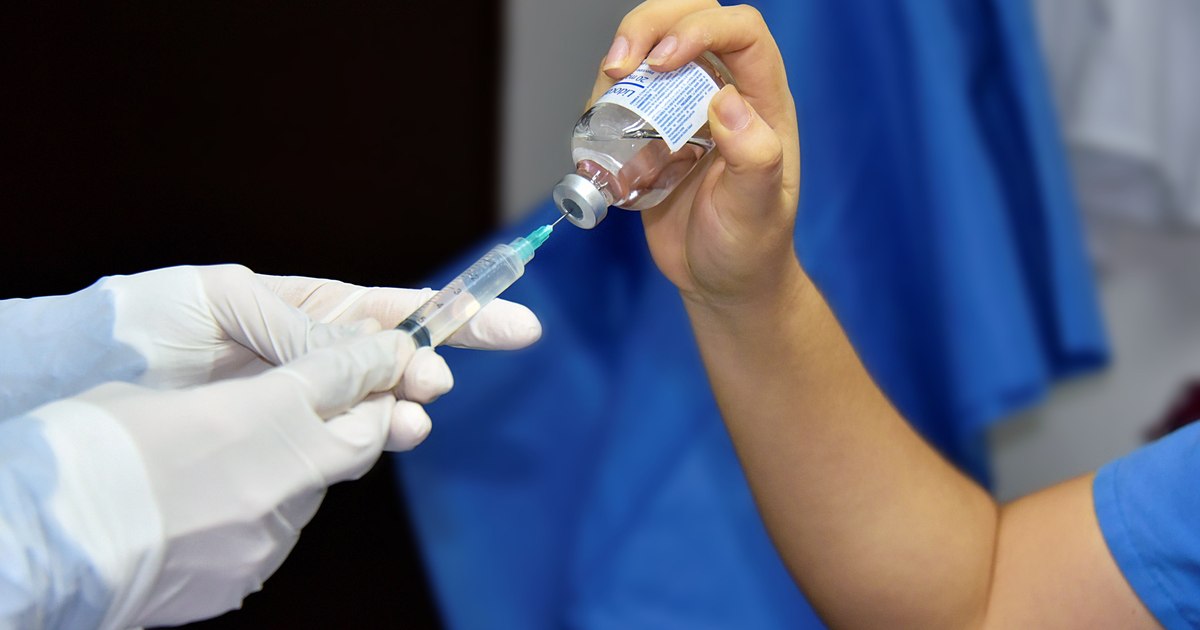
In a natural cycle, the ovaries mature one egg. An IVF cycle asks them to mature several at once — because more mature eggs mean more chances at every later step. That's what stimulation is: 8–12 days of hormone injections that let a whole group of follicles grow instead of just one.
The injections, demystified
The daily injections are forms of FSH — the body's own follicle-growing signal, just at a higher level. They're given under the skin of the belly with fine pen needles; most women self-inject after the first demonstration and find the anticipation worse than the needle. A second medicine is added partway through to prevent the body from ovulating on its own before the eggs are collected.
What monitoring watches
Every few days you'll come in for a short ultrasound and often a blood test. The scan counts and measures the growing follicles; the blood test tracks estradiol, which rises as follicles grow. Together they tell your doctor how you're responding, so doses can be adjusted — this is why no two stimulation protocols look exactly alike, and why comparing your medication doses with another patient's tells you nothing useful.
The trigger injection
When enough follicles reach the right size, a final "trigger" injection mimics the body's natural LH surge and completes the eggs' maturation. Its timing is precise for a reason: egg retrieval is scheduled 34–36 hours later, just before the body would release the eggs on its own.
What it feels like
Bloating, heaviness, and mood shifts are common toward the end of stimulation — the ovaries are temporarily larger than usual. Severe pain, rapid swelling, or breathlessness are not normal and warrant calling the clinic immediately, as they can signal over-response (OHSS), which the monitoring is specifically designed to catch early.
Frequently asked
Do the injections hurt?
They use very fine needles and most women rate them as far easier than expected. Soreness at the injection site is the most common complaint.
Can I work during stimulation?
Yes — most women continue normal work and routines, planning around the short monitoring visits.
Does stimulation use up my future eggs?
No. It rescues the group of follicles that had already begun that cycle — the ones that would otherwise have been lost naturally when a single follicle became dominant.