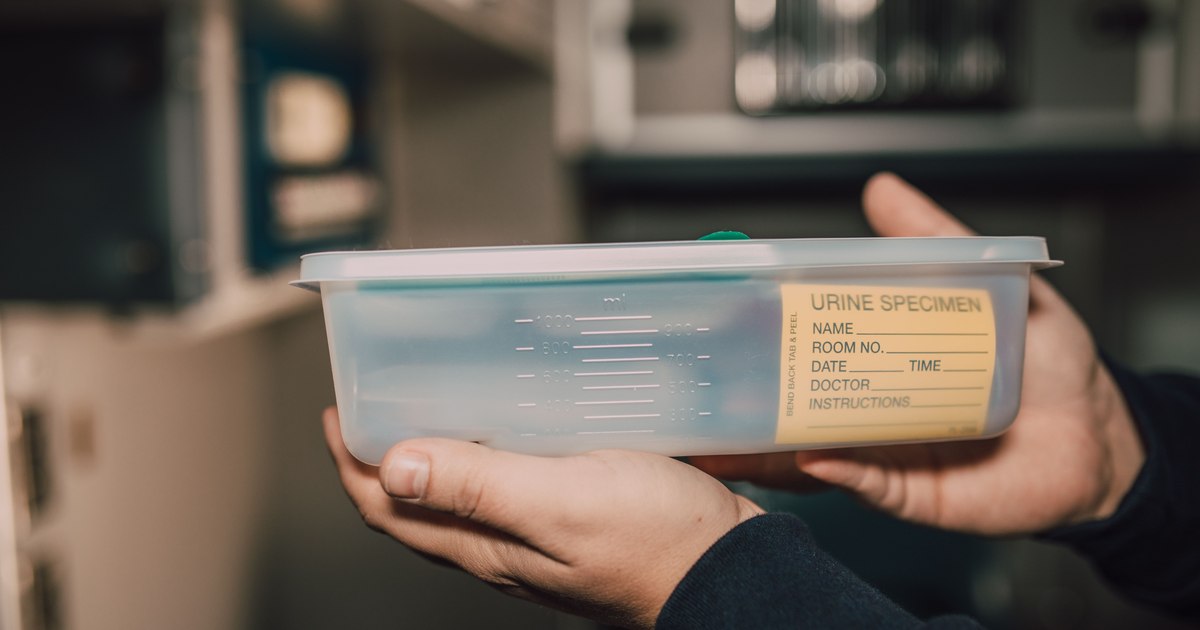
Yes — how a urine sample is collected, capped, and stored can genuinely affect the result. A sample left uncapped or exposed to air for a while can pick up bacteria from the surrounding environment or skin, which the lab can't distinguish from bacteria that were actually growing inside the urinary tract. This is exactly why proper collection technique matters as much as the test itself.
What can cause a false infection reading?
- Uncapped or improperly sealed containers, which let outside bacteria contaminate the sample before it even reaches the lab
- Skin or perineal contact during collection, since normal skin bacteria can end up in the sample without a proper clean-catch, midstream technique
- Delayed processing, because bacteria — real or contaminating — can multiply in urine sitting at room temperature for an extended period, inflating the count regardless of whether an infection was actually present
- Not using the midstream portion, since the first part of the urine stream carries more of the bacteria normally present near the urethral opening, which a true midstream sample is designed to avoid
How is a sample properly collected to avoid this?
- Wash hands and clean the area as instructed before collecting
- Let the first bit of urine pass, then collect the midstream portion in the container
- Cap the container securely and immediately
- Get it to the lab promptly, or refrigerate if there will be a delay before drop-off
A contaminated sample and a genuine infection can look identical on paper — technique is what tells them apart.
What should you do if you suspect a result was affected by handling?
Don't assume the result is wrong on your own, and don't ignore it either — bring the concern directly to your doctor, especially if the result doesn't match how you actually feel (for example, a positive result with no symptoms at all, or vice versa). They can decide whether a repeat sample, collected carefully, is the right next step.
Frequently asked
How long can urine sit before results become unreliable?
There's no single fixed cutoff that applies to every lab and every test, which is exactly why prompt drop-off or refrigeration is the standard advice rather than a specific number of hours to watch a clock against.
Does a contaminated sample always show as a "false positive"?
Not necessarily as a clean-cut positive or negative — contamination can also just muddy the picture, making a result harder for the lab or your doctor to interpret confidently either way. This is part of why doctors often ask about symptoms alongside the report rather than reading the number in isolation.
If I had no symptoms at all, why would the test still come back suggesting an infection?
This is one of the more common reasons doctors ask for a repeat, carefully-collected sample — a genuinely asymptomatic result with no symptoms at all is a reasonable trigger to consider collection or handling issues before assuming a diagnosis.
Can I just redo the test myself at a home collection kit to double check?
Whether a repeat test is needed, and how it should be collected, is best decided with your doctor rather than on your own — they can guide you on getting a clean sample and interpreting it correctly alongside your symptoms and history.