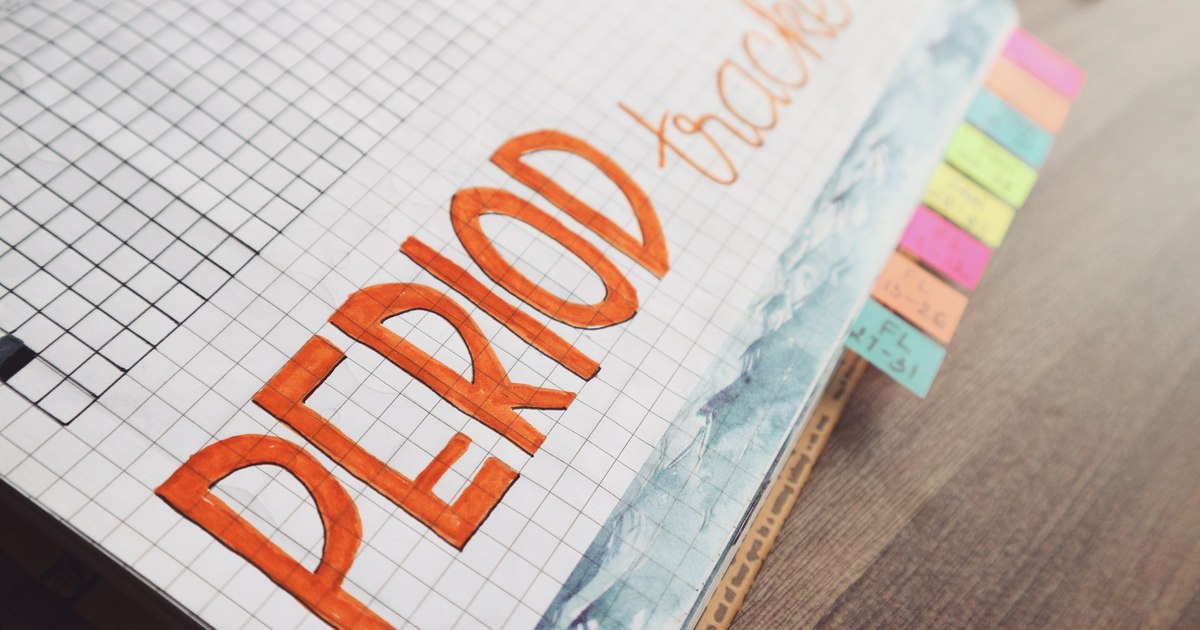
Cycles anywhere from 25 to 40 days apart can still be normal, ovulating cycles — irregularity usually means ovulation is delayed or unpredictable, not that it isn't happening at all. The common causes are PCOS, stress, and thyroid imbalance. What matters most isn't the exact cycle length, but whether it's stable for you and whether any red-flag pattern shows up alongside it.
Irregular doesn't mean absent
A cycle that swings between 25 and 40 days can still involve ovulation every single time — the release of the egg is simply happening at a different point each month rather than on a fixed day. This is why period-tracking apps that assume a rigid 28-day cycle can be misleading: they predict a date, not a biological event, and irregular cycles are exactly the ones apps predict worst.
Irregular doesn't mean infertile. It means the timing needs more attention than an app alone can give it.
The common causes
- PCOS (polycystic ovary syndrome) — a hormonal condition that disrupts regular ovulation and is one of the most frequent causes of irregular cycles
- Stress — both acute and chronic stress can delay or suppress ovulation through its effect on reproductive hormones
- Thyroid imbalance — an underactive or overactive thyroid interferes with the hormonal signalling that regulates the cycle
- Hormonal imbalance more broadly — including the years around puberty and perimenopause, when cycles are naturally less predictable
Tracking that actually works for an irregular cycle
Apps that just count days from your last period assume regularity you may not have. If your cycles vary, these methods track the biological signal instead of the calendar:
- Ovulation predictor kits — detect the hormone surge that precedes ovulation, regardless of which day it falls on
- Basal body temperature (BBT) — a small, sustained rise after ovulation confirms it happened, cycle by cycle
- Cervical mucus changes — a shift to clear, stretchy mucus typically signals the fertile window is near
Lifestyle stability — consistent sleep, manageable stress, steady routine — supports hormonal stability, which in turn makes cycles more predictable over time.
When to see a gynaecologist
Occasional variation isn't usually a reason to worry. See a gynaecologist if you notice:
- Periods that stop altogether for several consecutive months
- Extreme irregularity that doesn't settle into any pattern over several cycles
- Irregular cycles alongside other symptoms — excess hair growth, acne, or unexplained weight change (possible PCOS signs)
- Difficulty conceiving after 6–12 months of trying, alongside irregular cycles
Frequently asked
Does an irregular cycle mean I can't get pregnant?
No. Irregular usually means ovulation is happening on an unpredictable schedule, not that it has stopped. Many people with irregular cycles conceive naturally once ovulation is tracked accurately rather than assumed from a calendar.
Can stress alone cause irregular periods?
Yes. Both physical and emotional stress can delay or disrupt ovulation through their effect on the hormones that regulate the cycle — this is a genuine physiological effect, not just a coincidence in timing.
How long is too long for a cycle to be considered irregular?
Cycles are generally considered within a normal range between about 21 and 35 days, though anywhere from 25 to 40 days can still involve regular ovulation for some people. What matters more than a fixed number is whether your own pattern is stable or unpredictable, and whether periods stop for months at a time.
Should I rely on a period-tracking app if my cycle is irregular?
Not on its own. Apps predict based on your cycle history and assume some regularity, which makes them less reliable when cycles genuinely vary. Ovulation kits, basal body temperature, and cervical mucus tracking read your body's actual signals instead.