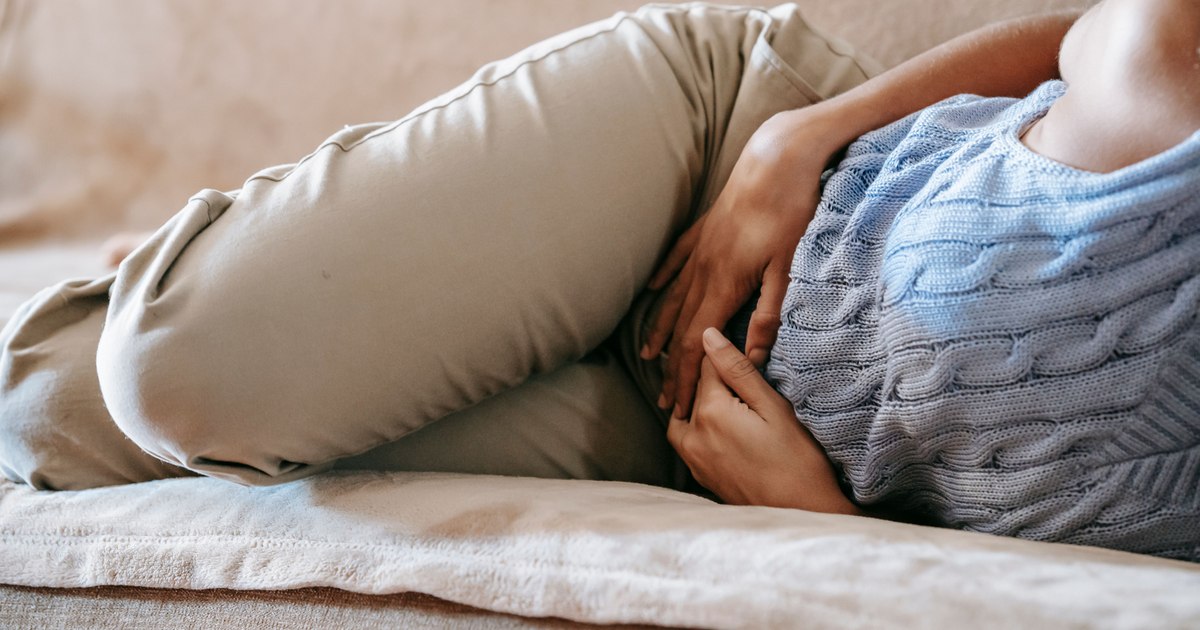
Pregnancy hormones change how your gallbladder works, and that effect often shows up only after delivery — not during pregnancy itself. Estrogen raises the cholesterol content of bile, and progesterone slows the gallbladder's emptying, and together they make gallstones more likely to form or become symptomatic in the postpartum months.
Why pregnancy hormones set the stage for gallstones
- Estrogen increases cholesterol saturation in bile, making it more likely to crystallise into stones instead of staying dissolved
- Progesterone relaxes smooth muscle throughout the body, including the gallbladder, so it empties more slowly and less completely
- Slower emptying means bile sits longer in the gallbladder, giving cholesterol more time to settle out as stones or sludge
- These changes build up gradually across pregnancy but often don't cause symptoms until the gallbladder's workload changes again after delivery
Why symptoms often show up after delivery, not during pregnancy
Many women carry silent gallstones through pregnancy without knowing it — the stones form, but nothing triggers an attack yet. After delivery, diet often shifts back toward normal (including richer, heavier meals after months of pregnancy caution), and that fat intake is exactly what signals the gallbladder to contract hard against stones that are already there. This is why gallstones so often get diagnosed or become symptomatic specifically in the postpartum window, even though the hormonal groundwork was laid during pregnancy.
What the symptoms typically look like
- Pain in the right upper abdomen or just under the ribs, often after a heavy or fatty meal, and often at night
- Pain that can radiate to the back or right shoulder blade
- Nausea, bloating, and sometimes vomiting alongside the pain
- Attacks that come and go rather than constant pain — this on-and-off pattern (called biliary colic) is typical of gallstones
- Some gallstones are "silent" — found incidentally on an ultrasound done for another reason, with no symptoms at all
What to do about it
Gallstones after pregnancy are not something to self-diagnose or self-treat, especially while breastfeeding, when any medication decision needs to account for it.
- There's no reliable evidence that homeopathy or dietary remedies dissolve gallstones — relying on them can let a stone-related complication go unmonitored
- Tell both your treating doctor and your gynaecologist that you're breastfeeding, so any decision — monitoring, medication, or surgery — factors it in properly
- Small, silent stones with no symptoms are sometimes just watched rather than treated immediately, but that's a clinical judgement based on stone size, number, and symptoms, not a default
- Surgery to remove the gallbladder is common and generally safe even while breastfeeding when it's genuinely needed, but it is one option among several, not the automatic answer
- Fever, persistent severe pain, or yellowing of the skin or eyes are red flags that suggest a complication and need urgent medical attention, not a wait-and-watch approach
Gallstones after pregnancy are common enough to be a recognised postpartum finding, not a sign that anything went wrong during your pregnancy — the same hormonal shifts that helped carry the pregnancy are the ones that can leave gallstones behind afterward.
Frequently asked
Is it normal to get gallstones after having a baby?
Yes — pregnancy hormones are well-established risk factors for gallstones, and they're common enough that many are picked up specifically in the postpartum months, especially in women who already had other risk factors like multiple pregnancies or a family history.
Can I treat gallstones with homeopathy or home remedies instead of surgery?
There's no reliable evidence that homeopathy or dietary remedies dissolve gallstones, and relying on them can let a stone-related complication go unmonitored. Talk to your doctor about the actual options for your stone size and symptoms — some cases genuinely can be watched rather than operated on, but that's a clinical decision, not a home one.
Is gallbladder surgery safe while I'm breastfeeding?
Generally yes, when surgery is genuinely needed — tell your surgical team you're breastfeeding so anaesthesia and medication choices account for it. This is a conversation to have directly with your doctor rather than a reason to avoid surgery on your own.
Will gallstones go away on their own after breastfeeding ends?
Not reliably. Small, silent stones with no symptoms are sometimes just monitored, but stones don't typically dissolve on their own regardless of breastfeeding status. Ongoing attacks are a reason to revisit treatment, not wait indefinitely.
What foods should I avoid if I have gallstones after pregnancy?
Heavy, fatty, or fried meals are the most common trigger for an attack, since fat is what signals the gallbladder to contract. Smaller, lower-fat meals can reduce how often attacks happen, but this manages symptoms — it doesn't treat the underlying stones.