Excess facial or body hair with completely normal blood hormone levels and no PCOS on ultrasound is a recognised pattern called idiopathic hirsutism. It isn't a lab error or a condition your doctor missed — it means your hair follicles are more sensitive to the normal amount of androgen hormone every woman has, not that your hormone levels themselves are abnormal. It's one of the few hirsutism causes where the usual PCOS workup correctly comes back clean.
Why PCOS gets tested first
PCOS is the most common cause of hirsutism by far, which is why it's the first thing your doctor rules out — irregular periods, raised androgens on a blood test (testosterone, DHEAS), and a polycystic appearance on ultrasound together confirm it. When all three are absent or your periods are regular, PCOS is genuinely unlikely, not just "not yet proven."
What idiopathic hirsutism actually is
- The androgen levels in your blood are normal — the problem isn't how much hormone you're producing
- Hair follicles in certain areas (chin, upper lip, chest, lower abdomen) can be more sensitive to that normal androgen, often because of higher local activity of an enzyme (5-alpha-reductase) that converts testosterone into a more potent form directly in the skin
- It runs in families and varies by ethnicity — some ethnic backgrounds, including South Asian, have a higher baseline of terminal body and facial hair that is a normal variant, not a hormonal disorder
- Periods are typically regular, which is one of the clearest signs this isn't PCOS or another hormonal cause
What else gets ruled out before landing on "idiopathic"
A few less common causes are checked alongside PCOS, especially if hair growth came on suddenly, is severe, or comes with other changes (deepening voice, significant acne, menstrual irregularity):
- Non-classic congenital adrenal hyperplasia — checked with a blood test (17-OH progesterone)
- An androgen-producing tumour of the ovary or adrenal gland — rare, but considered if hirsutism is rapid-onset or severe, especially with other signs of high androgen (voice change, significant acne, hair thinning)
- Certain medications — some steroids and other drugs can cause or worsen hair growth
- Thyroid problems and raised prolactin — usually checked on the same panel since both can affect cycles and hair
Once these are checked and genuinely normal, and periods are regular, "idiopathic hirsutism" is the actual diagnosis — not a placeholder for "cause unknown, keep looking."
A normal blood report doesn't mean your hair growth isn't real or that nothing can be done about it — it means the cause is follicle sensitivity, not a hormone imbalance, and treatment is approached differently as a result.
What treats idiopathic hirsutism
Because the hormone levels themselves are normal, treatment focuses on managing hair growth directly rather than correcting a hormonal imbalance:
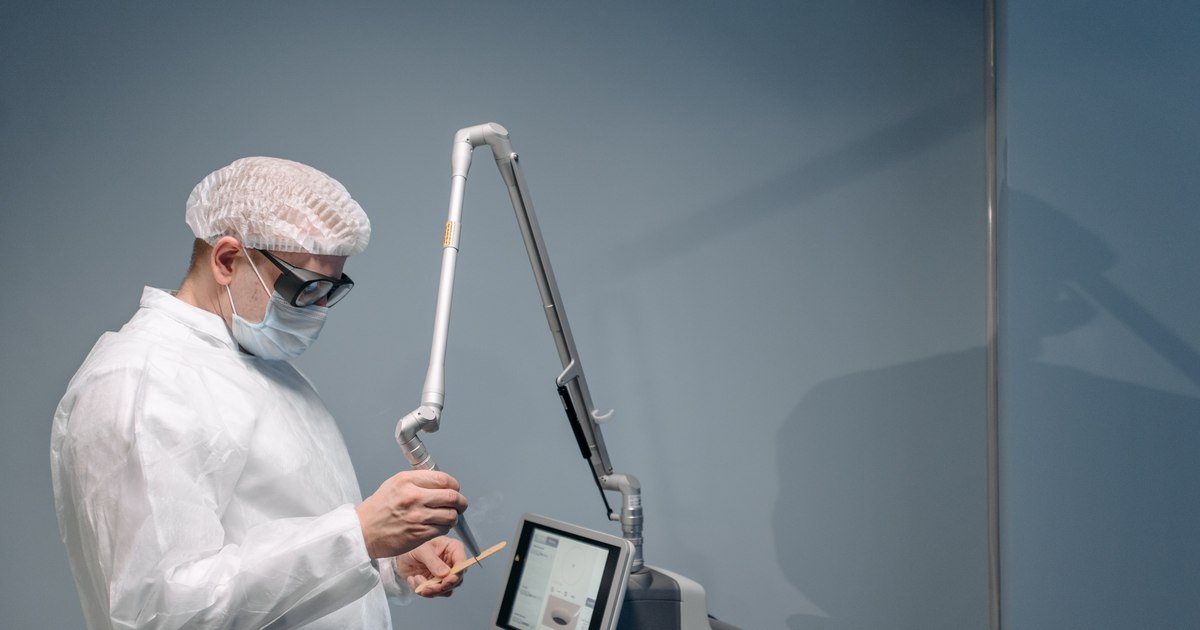
- Hair removal methods — laser hair removal and electrolysis give the most lasting results for unwanted facial and body hair; waxing, threading and shaving work but need repeating
- A prescription topical cream (eflornithine) applied to the face can slow regrowth between hair-removal sessions, though it doesn't remove existing hair
- Hormonal options, if you want them — combined oral contraceptives or an anti-androgen medication like spironolactone can reduce new hair growth over time, even when your levels are already "normal," because they lower how androgen acts on the follicle. These need contraception alongside them since anti-androgens can affect a male fetus if you were to conceive while taking one
- Patience with timeline — hair growth works on a slow cycle, so any hormonal treatment typically takes 6 to 9 months before you see a visible difference; it won't work faster than that regardless of which option you choose
Frequently asked
My doctor said my hormones are normal, but I still have noticeable facial hair. How is that possible?
This is exactly what idiopathic hirsutism is — your hormone blood levels are genuinely normal, but your hair follicles respond more strongly to that normal amount of androgen than average. It's a real, recognised pattern, not a contradiction in your results.
Does idiopathic hirsutism mean I have PCOS that just hasn't shown up yet?
Not necessarily. If your periods are regular and your androgen levels and ultrasound are normal, that's a reasonably complete picture arguing against PCOS. Idiopathic hirsutism is its own diagnosis, not an early or hidden form of PCOS — though your doctor may still recheck periodically if anything changes.
Can diet or lifestyle changes reduce facial hair if my hormones are already normal?
Diet and weight changes help most when there's an underlying hormonal driver like insulin resistance, which isn't the mechanism here. For idiopathic hirsutism, hair removal methods and, if you choose, anti-androgen medication are what actually reduce the hair itself — lifestyle changes alone aren't expected to meaningfully change it.
Is it genetic, and will it get worse over time?
A family and ethnic tendency toward more terminal body and facial hair is common and is part of normal variation, not a progressive condition. It doesn't typically worsen the way a hormonal disorder might, though hair growth patterns can shift somewhat with age and life stages like perimenopause.
How long does laser hair removal take to work for this?
Laser hair removal generally needs multiple sessions spaced weeks apart, since it only affects hair follicles in their active growth phase at the time of treatment. Most people see a meaningful reduction after a full course of several sessions, with occasional maintenance sessions afterward — ask your provider for a timeline based on your hair type and the areas being treated.