Normal delivery is often assumed to mean "easy," and a C-section is unfairly labelled a shortcut or a setback — neither is true. Both are real recoveries with their own timelines, their own specific discomforts, and the same underlying truth: healing takes time, whichever way your baby arrived.
The recovery timeline, side by side
Post-pregnancy recovery isn't a single fixed number — it happens in overlapping stages, and the mode of delivery mainly affects how the earliest stage feels.
| Stage | What's happening |
|---|---|
| First 6 weeks (postpartum period) | Rest, wound healing, uterine recovery, and emotional adjustment — the most physically demanding stretch, more so after a C-section or a complicated delivery |
| 6 weeks – 3 months | Gradual return to daily activities, light exercise, and pelvic floor strengthening |
| Up to 1 year | Full physical, hormonal, and mental recovery — especially after a C-section, a complicated delivery, or while breastfeeding |
What's specific to vaginal delivery recovery
The main focus in the first weeks is perineal healing — the tissue between the vagina and anus, which stretches and sometimes tears or is cut (episiotomy) during delivery. Soreness while sitting or walking in the first week or two is common and typically eases quickly. Pelvic floor strengthening (gentle exercises, once your doctor confirms it's safe) is a bigger part of this recovery than people expect, since the pelvic floor absorbs real strain during vaginal birth regardless of how straightforward the delivery was.
What's specific to C-section recovery
A C-section is abdominal surgery, so recovery includes surgical-recovery basics that a vaginal delivery doesn't involve:
- Shivering during spinal anaesthesia is extremely common — it's a normal physiological response, not a complication, and your team can help reduce it
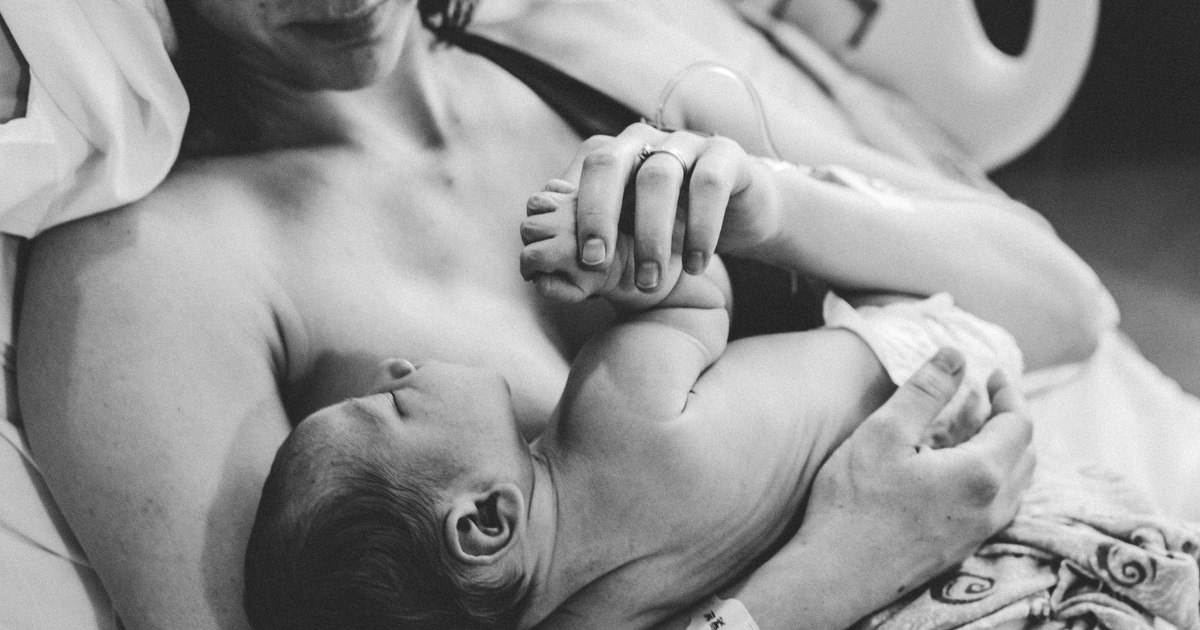
- You can usually request immediate skin-to-skin contact, depending on hospital protocol — it helps regulate the baby's temperature and heart rate and supports breastfeeding
- Stay ahead of pain rather than waiting it out — pain medication, cold packs, and gentle support make the first days meaningfully more comfortable
- Chewing sugar-free gum after surgery may help with gas pain by stimulating bowel movement
- Compression stockings can reduce leg swelling and support circulation, especially if you're at higher risk of clots
- Gentle deep breathing exercises can start early to support lung expansion and core engagement
- Scar care matters once your doctor approves it — gentle massage or desensitisation can reduce numbness and improve mobility over time
- A pillow or abdominal binder helps when coughing, sneezing, or getting out of bed
What stays the same either way
- Hormonal, emotional, and mental recovery run on a similar broad timeline regardless of delivery mode
- Breastfeeding affects energy, hormones, and sleep the same way whichever path you took
- Full recovery, in the fuller sense, can genuinely take up to a year — that isn't a sign anything is wrong
Recovery after a C-section is a journey — not a race. Give yourself grace, accept help, and heal at your own pace.
Frequently asked
Is C-section recovery always harder than vaginal delivery recovery?
Not universally — a C-section adds surgical recovery, but a difficult vaginal delivery (a longer labour, a significant tear) can also be a hard recovery. Comparing "harder" across the two isn't as useful as knowing what to expect and watch for in your own case.
When can I start exercising again after each?
Light activity generally resumes within the 6-week-to-3-month window for both, with pelvic floor work usually starting earlier and more structured exercise cleared at your postpartum check. Confirm with your own doctor rather than a fixed calendar date — it depends on how your specific recovery is going.
Does having a C-section limit my options for future deliveries?
Not automatically — many women who've had one C-section are candidates for a vaginal birth next time. VBAC (vaginal birth after C-section) explains what makes someone a good candidate and when a repeat C-section is advised instead.
When should I call my doctor during recovery, whichever way I delivered?
Fever, heavy bleeding beyond what you were told to expect, a wound that looks infected (increasing redness, discharge, worsening pain), severe headache, or intense low mood are all reasons to call sooner rather than waiting for your next scheduled visit — the first 40 days have their own specific rest guidelines worth reading alongside this one.