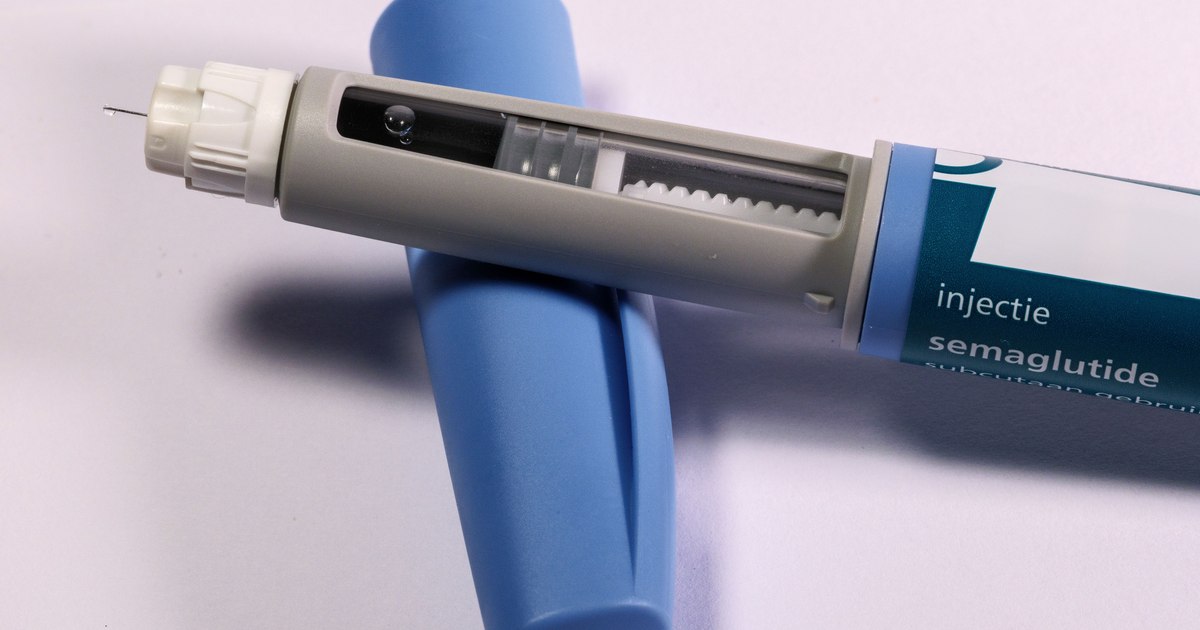
GLP-1 receptor agonists (the drug class that includes semaglutide, sold as Ozempic or Wegovy) are increasingly asked about for PCOS-related weight loss, but they aren't specifically approved for PCOS in India — they're used off-label, under a doctor's supervision, usually when insulin resistance and weight are both part of the picture. They're never a first step and never a substitute for the diet, activity, and cycle-regulation work that comes first.
What GLP-1 medicines actually do
GLP-1 receptor agonists work by slowing digestion, increasing the feeling of fullness, and improving how the body responds to insulin. They were developed for type 2 diabetes and later approved for weight management in the general population. Because insulin resistance drives a large share of PCOS-related weight gain, the same mechanism has generated real interest for PCOS specifically — but the approval pathway is different from why any individual doctor might prescribe it.
Why it comes up for PCOS specifically
Insulin resistance is present in a large proportion of women with PCOS, whether or not their weight is affected. Since insulin resistance and excess weight often reinforce each other in PCOS — higher insulin levels make weight loss harder, and excess weight worsens insulin resistance — a medicine that improves insulin sensitivity can help break that cycle for some women when lifestyle measures alone haven't been enough.
A GLP-1 medicine treats a driver of PCOS weight gain, not PCOS itself — it doesn't replace the cycle-regulation, fertility, or metabolic evaluation that PCOS care otherwise involves.
What a doctor weighs before prescribing one
- Whether lifestyle measures have had a genuine trial first — diet and activity changes remain the foundation of PCOS management, and a GLP-1 medicine is typically considered after that, not instead of it
- Your BMI and metabolic profile — insulin resistance, blood sugar, and weight together, not weight in isolation
- Pregnancy plans — GLP-1 medicines are not used during pregnancy and are generally stopped a set period before actively trying to conceive, which your doctor will time with you
- Other conditions and medicines — a full medical history to rule out contraindications
- Realistic expectations and monitoring — response varies, and ongoing follow-up is part of the plan, not a one-time prescription
Frequently asked
Is Ozempic approved for PCOS in India?
No. It's approved for type 2 diabetes and, as a related product, for weight management — not specifically for PCOS. Any use for PCOS is off-label, meaning a doctor is applying clinical judgement to a specific patient rather than following a PCOS-specific approval.
Can I ask my gynaecologist for it directly, or do I need a specialist?
Start the conversation with your gynaecologist. Depending on your metabolic profile, they may manage it directly or involve an endocrinologist, particularly if diabetes or significant insulin resistance is part of the picture.
Does it fix PCOS, or just help with weight?
It doesn't treat PCOS itself — it targets one driver (insulin resistance) that often contributes to weight gain in PCOS. Cycle irregularity, fertility concerns, and other PCOS features still need their own evaluation and management alongside it.
If I want to get pregnant, can I stay on it?
No. GLP-1 medicines aren't used during pregnancy, so your doctor will time stopping it before you actively start trying to conceive. This is exactly the kind of decision to make with your doctor rather than on your own timeline.