PGT (preimplantation genetic testing) checks a blastocyst's chromosomes or genes before it's transferred, so the embryo most likely to result in a healthy pregnancy can be chosen first. It's not a routine step for every IVF cycle — it genuinely helps some patients, and adds cost and complexity without much benefit for others.
What PGT actually is
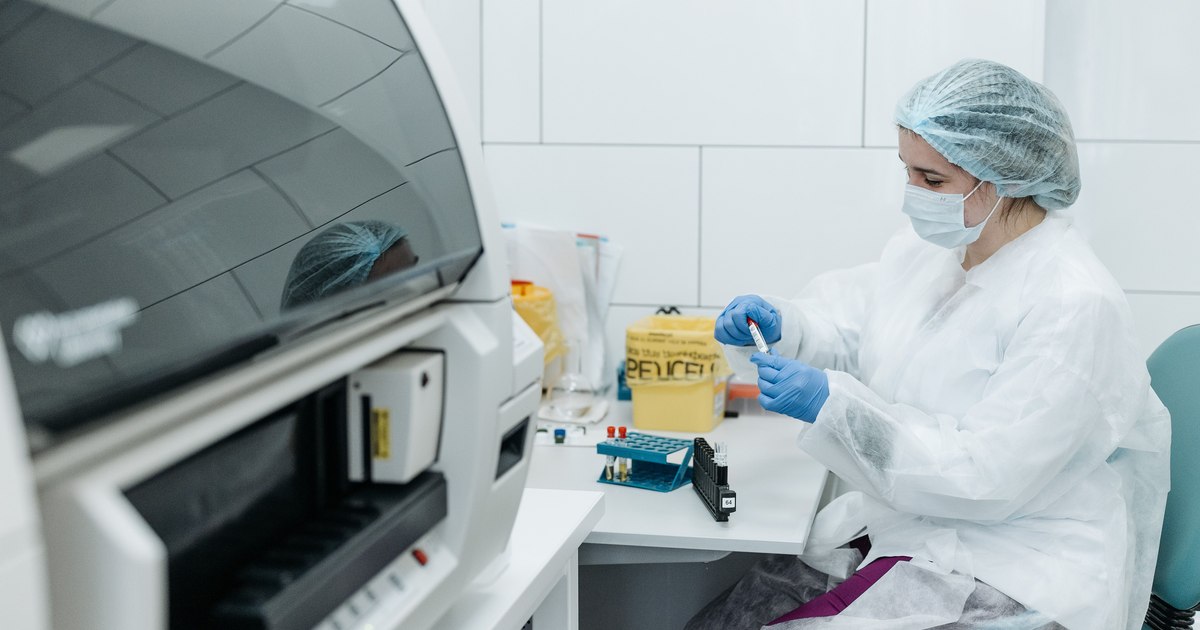
A few cells are biopsied from the trophectoderm — the outer layer of a day-5/6 blastocyst that becomes the placenta, not the part that becomes the baby. The embryo is frozen immediately after biopsy and waits, safely, while the sample is analysed in a genetics lab. Results typically take one to two weeks, after which a tested-normal embryo is thawed for a frozen embryo transfer.
The three types, in plain terms
| Type | What it checks | Typically used for |
|---|---|---|
| PGT-A (aneuploidy) | Whether the embryo has the correct number of chromosomes | Recurrent implantation failure, recurrent pregnancy loss, advanced maternal age |
| PGT-M (monogenic) | A specific single-gene condition already known to run in the family | Couples who are known carriers of an inherited disorder |
| PGT-SR (structural rearrangement) | Chromosome structure issues (e.g. a balanced translocation carried by a parent) | A parent already known to carry a chromosomal rearrangement |
PGT-A is the one most patients ask about, since it's discussed as a general "screen my embryos" option; PGT-M and PGT-SR are targeted tests ordered only when a specific genetic risk is already known.
Who genuinely benefits
- Recurrent implantation failure or recurrent pregnancy loss — where chromosomal issues are a recognised contributor, and identifying a normal embryo can shorten the search for what will work.
- Advanced maternal age — the chance of chromosomal abnormality in eggs rises with age, so a higher share of embryos are affected; screening becomes more informative as that share grows.
- A known inherited condition or chromosomal rearrangement in either partner — here PGT-M/PGT-SR is targeted testing, not a general screen.
- Multiple embryos with no other way to prioritise which to transfer first.
Who it usually doesn't help much
For a younger patient with a good embryo count and no history of loss or failed implantation, PGT-A adds biopsy risk, cost, and a waiting period without meaningfully changing the odds — most of her embryos are already likely to be chromosomally normal. It is a targeted decision, made with your doctor against your specific history, not a default upgrade to add to every cycle.
PGT helps you choose which tested-normal embryo to transfer first. It doesn't make an embryo better, and a normal result does not make pregnancy certain.
What PGT cannot tell you
A "normal" PGT result does not make implantation or a healthy baby certain — pregnancy still depends on the uterine lining, the embryo's own development after thawing, and factors PGT doesn't examine at all. It also doesn't replace embryo grading: grading describes appearance, PGT describes chromosomes — they answer different questions, and a top-graded embryo can still test abnormal, just as an average-graded one can test normal.
Frequently asked
Does PGT harm the embryo?
The biopsy is taken from the trophectoderm, not the inner cell mass that becomes the baby, and is done by an experienced embryologist on an already-frozen-capable blastocyst. It is considered a low-risk, well-established procedure, though — as with any added handling step — it is only recommended when the expected benefit outweighs it.
Does PGT increase my chance of a successful IVF cycle?
For the right candidate (recurrent failure, recurrent loss, advanced age, a known genetic risk), it can reduce the number of transfers needed by avoiding embryos unlikely to implant. For a patient without those factors, the improvement in overall live-birth chance is much less clear, which is why it isn't recommended for everyone.
Is PGT the same as embryo grading?
No. Grading scores how the embryo looks under a microscope — expansion, cell groups. PGT tests the embryo's actual chromosomes or genes via biopsy. They're complementary, not interchangeable.
Do all embryos need to be frozen for PGT?
Yes — since results take one to two weeks, PGT-tested embryos are always transferred as a frozen embryo transfer, not fresh.