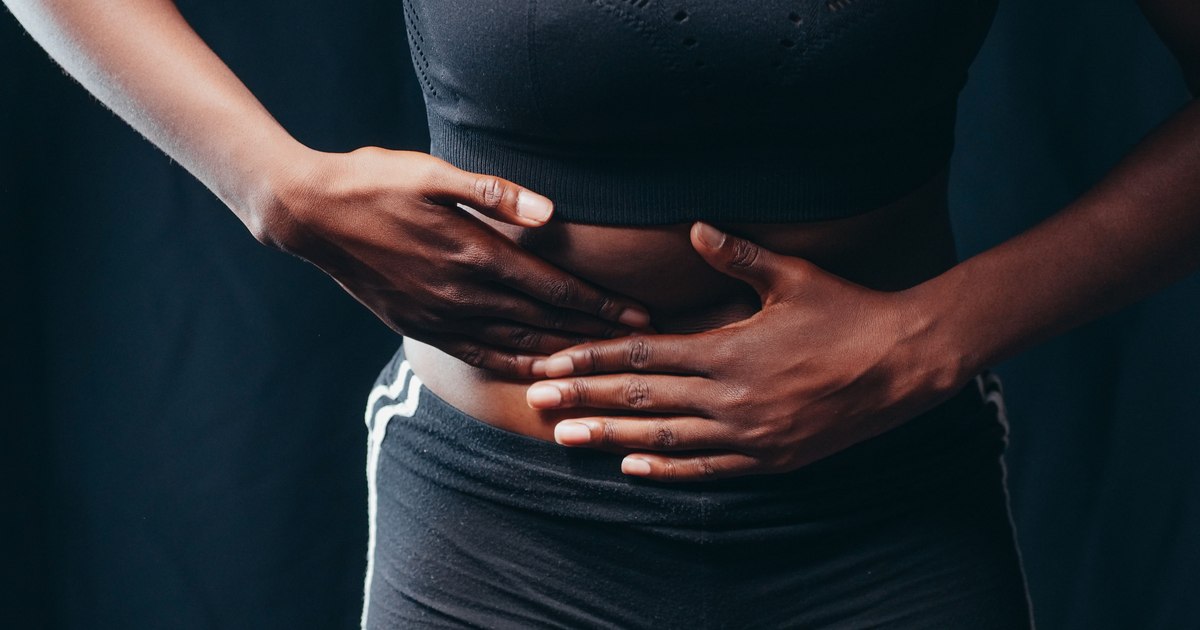
Periods are normal. Pain that stops your life isn't. Some cramping in the first day or two is common and usually needs nothing more than rest or an over-the-counter painkiller — but if your pain regularly makes you miss work or college, needs painkillers every single cycle, or comes with nausea, dizziness, or fainting, that's a different pattern, and it's worth getting checked.
The signs that separate "normal" from "needs a doctor"
Mild cramping that settles with rest, a hot water bag, or a standard painkiller is the usual pattern, and doesn't need investigation on its own. Pay attention when your periods:
- Make you miss work, college, or your usual routine
- Need painkillers every single cycle, not just occasionally
- Come with nausea, dizziness, or a faint feeling
- Stop you from functioning normally for a day or more
Any one of these, repeating cycle after cycle, is the signal — not the pain itself, but the pain's effect on your life.
What severe period pain can point to
Pain at this level isn't "just periods" — it can be your body signalling an underlying condition. The common possibilities include:
- PCOS (polycystic ovary syndrome) — a hormonal condition that can also show up as irregular cycles or acne
- Endometriosis — tissue similar to the uterine lining growing outside the uterus, a well-known cause of severe, progressive period pain
- Fibroids — non-cancerous growths in the uterus that can make periods heavier and more painful
- Hormonal imbalance more broadly, which can affect how the uterus contracts during a period
Periods are normal. Pain that stops your life isn't.
Why it's worth acting on, not pushing through
Severe period pain is often treated as something to just tolerate — but pain severe enough to disrupt your routine, cycle after cycle, is information, not a personality trait. Left uninvestigated, the underlying cause — especially endometriosis or fibroids — can affect fertility over time. Getting checked early doesn't just address the pain; it catches conditions that are easier to manage sooner rather than later.
Frequently asked
Is some period pain always normal?
Yes — mild to moderate cramping, especially on the first day or two, is common and doesn't usually need medical attention. The distinction is severity and pattern: pain that repeatedly disrupts your routine or needs painkillers every cycle is worth discussing with a gynaecologist.
Does severe period pain always mean I have a serious condition?
Not necessarily, but it's common enough to be worth ruling out. Conditions like PCOS, endometriosis, fibroids, or a hormonal imbalance are all treatable, and many people feel significantly better once the underlying cause is identified and addressed.
At what age should I start taking severe period pain seriously?
Any age. Severe pain in teenagers is sometimes dismissed as "normal for a young body," but the same signs — missed school, painkillers every cycle, nausea or fainting — apply regardless of age and are worth a gynaecologist visit.
What happens at the appointment?
Your doctor will typically ask about your pain pattern and other cycle symptoms, then may recommend an ultrasound or other tests depending on what they suspect. It's a starting conversation, not an immediate procedure.