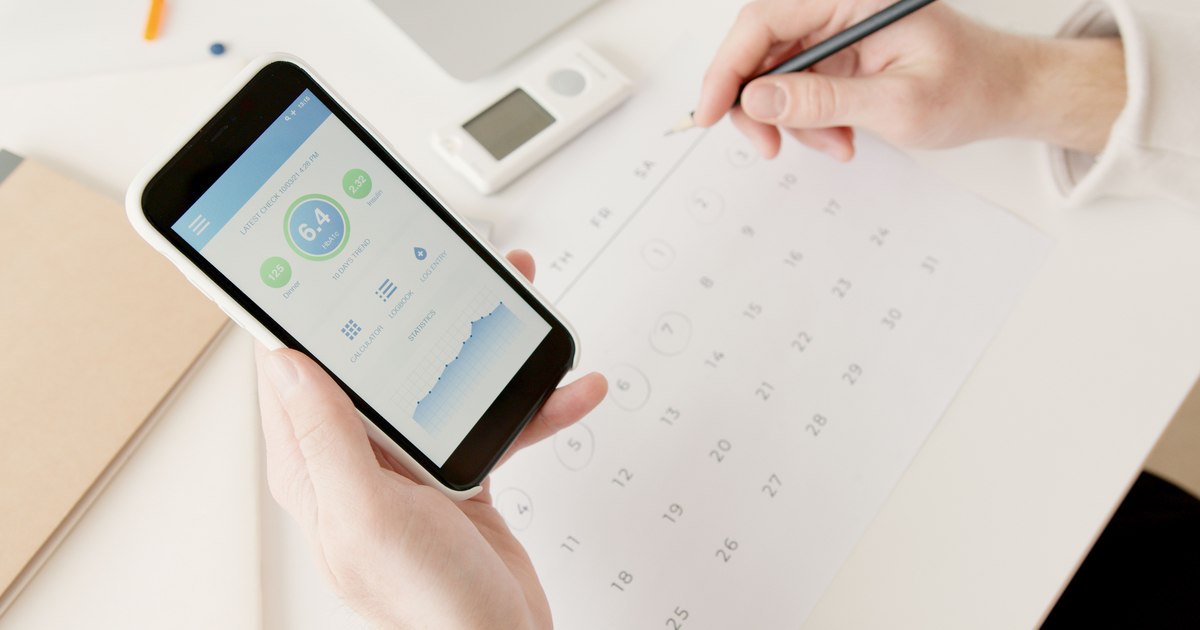
PCOS symptoms often show up years before a diagnosis is ever made — the body gives early warnings that are easy to dismiss individually. The signs worth noticing include irregular periods, persistent acne, unwanted hair growth, hair thinning, sudden weight gain, and dark patches of skin. None of these alone confirms PCOS, but several appearing together is worth a conversation with your gynaecologist.
The everyday signs to watch for
- Irregular or missed periods — cycles that are unpredictable, far apart, or absent for stretches at a time
- Persistent acne or sudden breakouts — especially when it appears or worsens outside your teenage years
- Unwanted facial or body hair — new growth in a pattern that feels different from before
- Hair thinning or heavy hair fall — changes at the scalp, distinct from the facial/body hair growth above
- Sudden weight gain — without a clear change in diet or activity
- Dark patches of skin — on the neck or underarms, a sign linked to how the body is handling insulin
Why no single sign confirms it
Each of these can happen for reasons that have nothing to do with PCOS — stress, thyroid changes, diet, or simple individual variation. What actually points toward PCOS is a pattern: more than one of these signs appearing together, and persisting rather than resolving on their own. Every body is different, which is exactly why self-diagnosis from a symptom list isn't reliable — it's a reason to get checked, not a verdict.
Early guidance can prevent long-term complications and make PCOS meaningfully easier to manage — but the first step is always a proper evaluation, not a checklist.
What you can do while you notice these signs
- Track your periods regularly — cycle length, flow, and any gaps, so a real pattern is visible when you do see a doctor
- Maintain a balanced diet and stay active — supports hormonal stability even before any diagnosis
- Manage stress and prioritise sleep — both genuinely affect the hormonal signalling behind regular cycles
- Avoid self-diagnosis — the same symptom list can point to several different underlying causes
When to consult a gynaecologist
- Your cycles have been irregular for 3 months or more
- Acne, hair fall, or weight gain are worsening suddenly rather than staying stable
- Dark skin patches appear alongside other hormonal symptoms, not on their own
- You're planning a pregnancy and have any cycle irregularity
Frequently asked
Can I have PCOS with regular periods?
Yes, though it's less common. PCOS is usually identified through a combination of signs — cycle pattern, hormonal symptoms, and sometimes ultrasound findings — rather than periods alone, so a regular cycle doesn't rule it out if other signs are present.
Are acne and weight gain enough on their own to suspect PCOS?
Not reliably. Both have many possible causes on their own. It's when they show up alongside cycle irregularity or the other signs on this list, and persist, that PCOS becomes worth specifically checking for.
Does having these symptoms mean I can't get pregnant?
No. PCOS can affect ovulation, which is why it's relevant to fertility, but it does not mean pregnancy is impossible. Many of these symptoms are manageable, and a proper evaluation is what determines the right next step for you specifically.