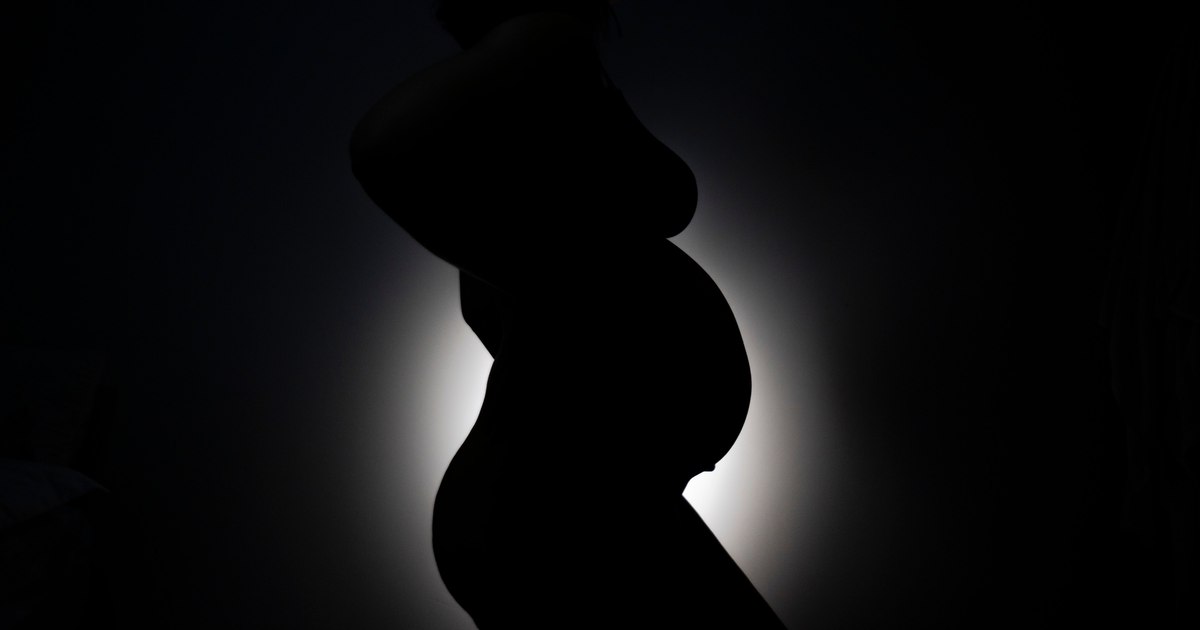
Pregnancy doesn't just grow a baby — it changes how almost every organ in your body works, from your heart to your skin. These changes are normal and expected; they're your body supporting a pregnancy, not something going wrong. Here's what's actually happening, organ by organ, and when a symptom has crossed from "normal adaptation" into something worth a visit.
Heart and circulation
Your blood volume and heart rate both increase during pregnancy, to supply the placenta and growing baby. This is why your pulse may feel faster than usual and why some mild palpitations are common — your heart is genuinely working harder, continuously, for nine months.
Lungs
As your uterus grows, it pushes your diaphragm upward, which is why mild breathlessness — especially later in pregnancy — is a common and expected symptom, not a sign your lungs are struggling.
Stomach
Your stomach is physically displaced upward as your uterus expands, and pregnancy hormones also relax the valve between your stomach and oesophagus. Together, this is why heartburn and acidity become so common, particularly in the second and third trimesters.
Intestines
Pregnancy hormones slow down intestinal movement, which is the main reason constipation is such a frequent complaint. It's a direct physiological effect, not something you're doing wrong.
Bladder
As your uterus grows, it presses on your bladder, reducing how much it can comfortably hold — which is why frequent urination is one of the most universal pregnancy symptoms, from early pregnancy through to term.
Uterus
Your uterus itself undergoes the most dramatic transformation of any organ in pregnancy — expanding from a small pelvic organ into one that fills most of your abdomen by term, to accommodate your growing baby.
Blood
Your plasma (the fluid part of blood) increases more than your red blood cell count does. This dilution effect is called physiological anaemia of pregnancy — a mild drop in haemoglobin concentration that's expected and different from true iron-deficiency anaemia, though your doctor will still track your haemoglobin and recommend iron as needed.
Bones and joints
Pregnancy hormones relax the ligaments around your joints, particularly in the pelvis, in preparation for delivery. This is a common cause of back pain and pelvic discomfort as pregnancy progresses.
Skin
Hormonal changes commonly bring stretch marks, a dark vertical line down the abdomen (linea nigra), and patches of darker skin on the face (melasma). All three are common, harmless, and typically fade significantly after delivery.
Breasts
Your breasts enlarge and undergo internal changes to prepare for breastfeeding, starting from early pregnancy and continuing right up to delivery.
These are normal physiological changes supporting a healthy pregnancy — not signs that something is wrong. Severe symptoms are what deserve an obstetrician visit, not the ordinary adaptations themselves.
Frequently asked
Is it normal to feel breathless during pregnancy?
Mild breathlessness, especially in the later months, is common and expected as your growing uterus pushes your diaphragm upward. Sudden, severe breathlessness, or breathlessness with chest pain, needs prompt medical attention rather than being assumed to be routine.
Why does my haemoglobin look low even though I'm not iron deficient?
Your blood plasma volume rises faster than your red blood cell count during pregnancy, which dilutes your haemoglobin concentration — a pattern called physiological anaemia of pregnancy. Your doctor distinguishes this from true iron-deficiency anaemia using your overall blood picture, not haemoglobin alone.
Will stretch marks and skin darkening go away after delivery?
They typically fade substantially after delivery, though the pace and extent varies between women. Stretch marks usually lighten in colour over time rather than disappearing completely.
When should I worry about a "normal" pregnancy symptom like heartburn or back pain?
The changes described here are expected. What's not expected is when a symptom becomes severe, sudden, or comes with other warning signs — for instance, severe or persistent upper-abdominal pain, severe sudden breathlessness, or back pain with fever. Those combinations are worth calling your obstetrician about rather than waiting out.