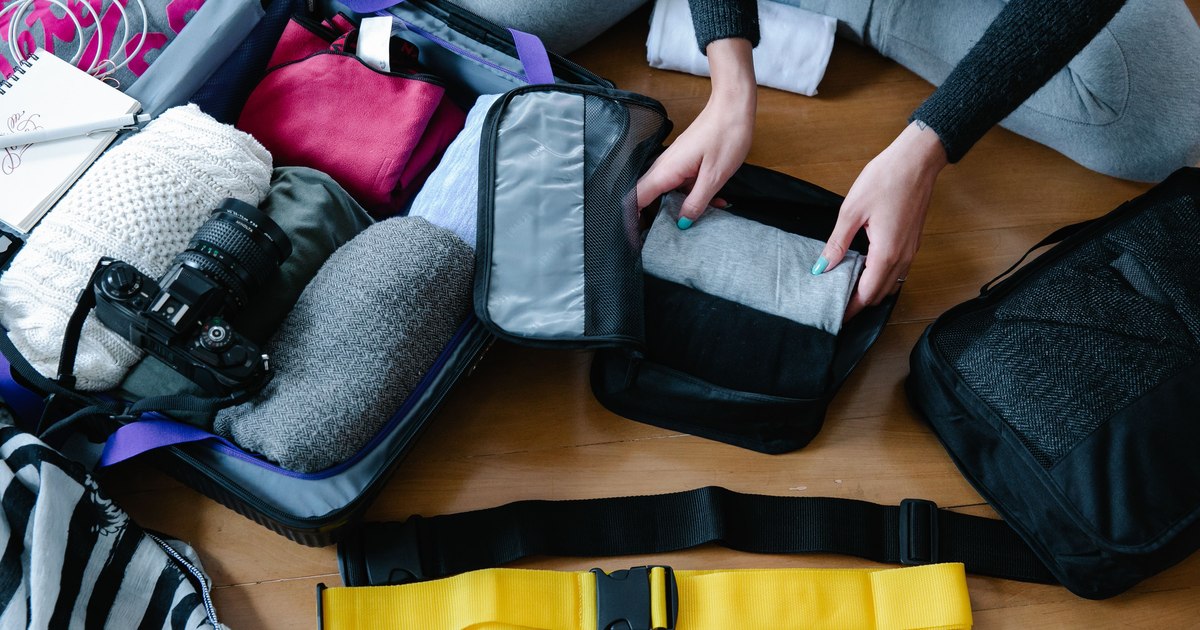
In the ninth month, it's not about overthinking — it's about being reachable, prepared, and supported. At this stage, being careful about a few specific things, and having your bag ready, can make all the difference.
What not to do in the ninth month
- Don't stay alone for long hours. Labour can start suddenly, and you want someone reachable nearby.
- Don't ignore reduced baby movements. This is the biggest red flag of the ninth month — learn your baby's own movement pattern and contact your doctor if it changes or drops, rather than waiting to see.
- Don't "wait and watch" with pain, leaking, bleeding, or unusual discharge. These are the symptoms this trimester exists to catch early, not to self-monitor through.
- Don't travel far without knowing your nearest hospital route. Know in advance where you'd go and how long it takes to get there.
- Don't stay somewhere help isn't available within 10–15 minutes. This is the practical version of "stay reachable" — it's about response time, not just having someone around.
- Don't miss your final scans or check-ups. These visits guide delivery timing and catch anything that needs attention before labour starts.
- Don't keep your phone off or on silent for long stretches. In the ninth month, being reachable is itself a safety measure.
Your hospital bag checklist
Pack your bag by 32–34 weeks, so it's ready well before your due date rather than something you're assembling after labour starts.
Essentials for you
- Comfortable nightwear and a robe
- Maternity pads and nursing bras
- Toiletries and a phone charger
- Your pregnancy file: reports, prescriptions, and ID documents
Newborn necessities
- Going-home outfit, swaddle or wrap, and a cap
- Diapers and wipes sized for a newborn
- A blanket for the car ride home
Important documents
- Your antenatal file, ID proof, and insurance or hospital package papers
- Your doctor's contact details and your emergency contact list
Feeding and recovery items
- Nursing pads and a water bottle you can sip from one-handed
- Any specific items your doctor has recommended for your own recovery
In the ninth month, it's not about overthinking — it's about being reachable, prepared, and supported.
Frequently asked
What's the single most important thing to watch for in the ninth month?
Reduced baby movements. It's described as the biggest red flag of this stage specifically because it's both easy to notice and easy to talk yourself out of — learn your baby's own typical pattern so you can tell when something's genuinely different, and contact your doctor rather than waiting it out.
Why does "don't stay alone for long hours" matter so much in the ninth month specifically?
Because labour can start suddenly at this stage, and having someone reachable nearby — not necessarily a medical person, just someone who can respond — shortens the time between labour starting and you getting to care.
When exactly should my hospital bag be ready?
By 32–34 weeks. That's early enough to be ready for an earlier-than-expected labour, without needing to pack anything in a rush.
Do I need to pack differently for a planned C-section versus a vaginal delivery?
The core list here covers both, but ask your hospital in advance whether they recommend anything specific for your situation — some hospitals have their own list of what they provide versus what you should bring, which is worth confirming alongside this general checklist.