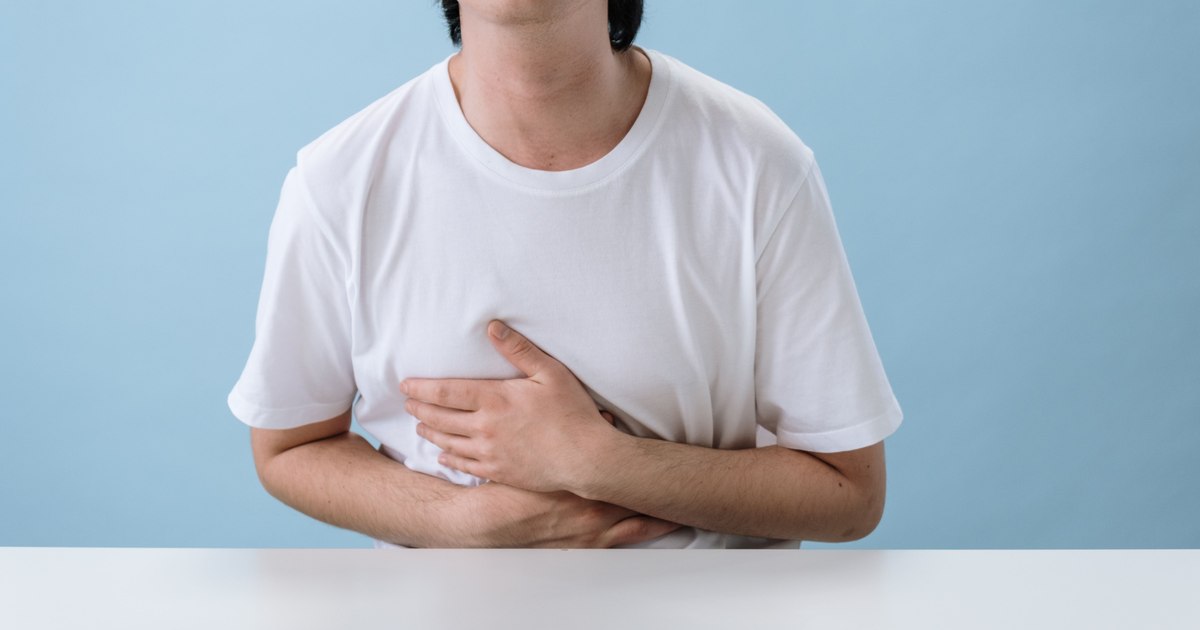
If your bloating, cramping, or bowel habits reliably get worse in the days right before your period, you're noticing a real, well-recognised pattern — not something unusual to you. Hormonal shifts in the days before menstruation directly affect gut motility and sensitivity, which is why irritable bowel syndrome (IBS) and general premenstrual gut symptoms so often flare together on a predictable, cyclical schedule.
The hormonal reason this happens
In the days before your period, both oestrogen and progesterone drop from their peak levels. This shift does more than affect your uterus — it also changes:
- Gut motility — how quickly or slowly food moves through your intestines, which can swing toward either looser stools or constipation depending on the person
- Prostaglandin levels — the same chemical messengers responsible for period cramps also act on the gut, contributing to premenstrual cramping and bowel changes
- Visceral sensitivity — the gut's nerve endings can become more reactive to normal digestion in the days before bleeding starts, making usual gas or bloating feel more pronounced
This is why the same premenstrual week can bring both period cramps and a noticeably different, more sensitive gut.
What a typical premenstrual gut flare looks like
- Increased bloating in the week before your period, often easing once bleeding starts
- A shift in bowel habits — either looser stools or constipation — that follows the same timing each cycle
- Mild abdominal discomfort that overlaps with, but feels distinct from, uterine cramping
- A pattern that repeats cycle after cycle, rather than appearing randomly
If you already have IBS, this hormonal shift typically intensifies your existing symptoms during this window rather than creating new ones.
If your gut symptoms track your cycle like clockwork, that timing itself is a meaningful clue — worth mentioning to your doctor exactly as a pattern, not just as a list of symptoms.
When it's worth seeing a doctor rather than just tracking it
Cyclical flares that follow your period and ease afterward are common and usually don't need urgent attention on their own. See a doctor if you also notice:
- Weight loss you didn't intend
- Blood in your stool
- Symptoms that are steadily worsening over several cycles rather than staying stable
- Severe pain that doesn't fit the usual premenstrual pattern
- Anxiety or mood changes intensifying alongside the physical symptoms, especially if they're affecting daily functioning
These can point to something beyond a straightforward hormonal-gut overlap and deserve a proper evaluation.
What can help in the meantime
- Keeping a simple diary of gut symptoms alongside your cycle days makes the pattern clear and gives your doctor useful information at your next visit
- General IBS-friendly habits — regular meal timing, adequate fluids, gentle movement — often help take the edge off the premenstrual intensification, even if they don't remove it completely
- Don't self-diagnose a new gut condition based on this pattern alone; a doctor can confirm whether it's the expected hormonal overlap or something separate
Frequently asked
Is it normal for my gut symptoms to get worse only in the week before my period?
Yes, this is a recognised, common pattern driven by the same hormonal shifts that trigger your period. It doesn't necessarily mean a new digestive condition has developed.
Does this mean I have IBS if I don't already?
Not necessarily. Premenstrual gut sensitivity can happen even without a formal IBS diagnosis. If it's happening every cycle and significantly affecting you, it's worth discussing with your doctor rather than assuming either way.
Can period pain and gut cramping actually feel like the same thing?
They can overlap closely, since the same prostaglandins that cause uterine cramping also act on the gut. Many people describe the two as blending together in the days just before and during their period.
Should I change my diet just for this week of my cycle?
There's no single diet change proven to fix this, but general steady, IBS-friendly eating habits maintained through the month often ease the intensity of the premenstrual flare. Talk to your doctor before making major dietary changes, especially if symptoms are significant.