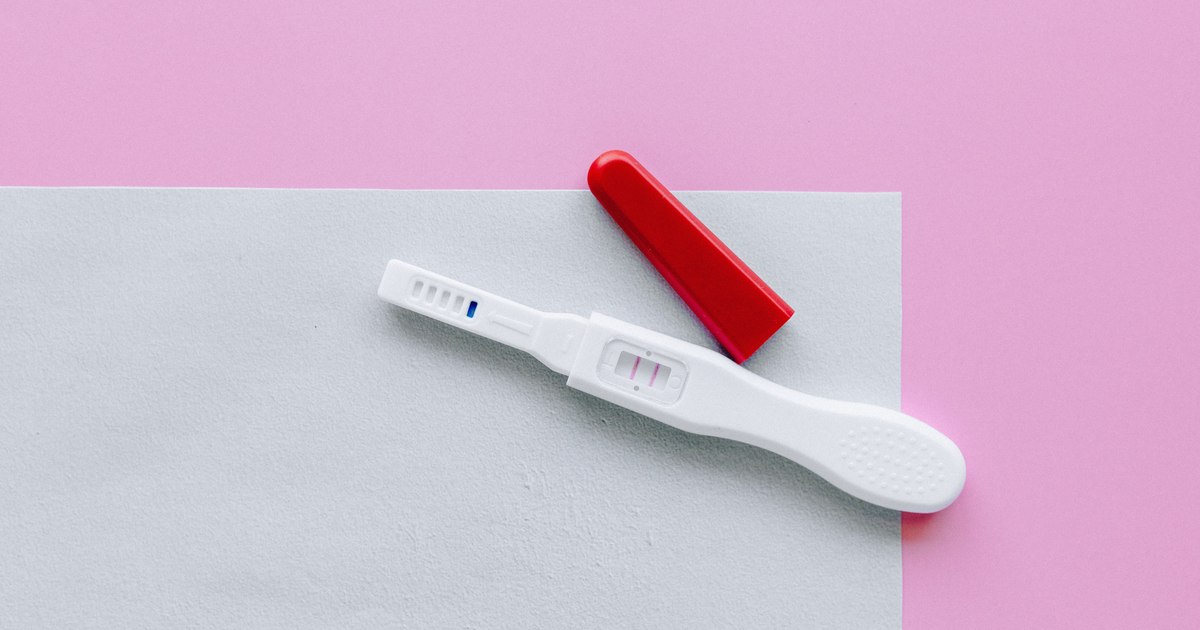
A home pregnancy test after IVF can mislead you in two opposite ways: a leftover trigger shot can cause a false positive before any real pregnancy exists, and testing too early can cause a false negative even in a pregnancy that is progressing normally. Both are mechanical issues with the test's timing, not a reflection of how the cycle is actually going.
The false positive: your trigger shot is still in your system
If your stimulation cycle included an hCG-based trigger shot, that same hormone is exactly what a home pregnancy test detects. The shot can remain detectable in your blood and urine for 7 to 14 days, depending on the dose and your own metabolism. Testing during that window can show a positive line that has nothing to do with pregnancy yet, since it is picking up the injection, not an embryo.
This is why clinics generally ask patients not to test at home before the scheduled blood beta hCG date, and why an early positive on a home test after a trigger shot needs to be treated cautiously rather than celebrated outright.
The false negative: testing before hCG is high enough
Even without a trigger shot in the picture, testing too early can miss a genuine pregnancy. Implantation timing varies by a few days between individuals, and hCG needs time after implantation to rise to a level a home test's sensitivity threshold can pick up. Testing a day or two before your clinic's scheduled date can show negative in a pregnancy that is, in fact, progressing normally.
A home test after IVF can say yes when the answer is actually not yet, and no when the answer is actually not yet either. That's exactly why the scheduled blood test exists.
Why the blood beta hCG test is more reliable than either
- It measures an exact number, not just a threshold line, so a repeat 48 hours later can show a trend
- It's timed by your clinic specifically to fall after any trigger shot has cleared and after implantation has had time to raise hCG to a detectable level
- It removes the guesswork that comes with reading a faint line on a home strip
What to actually do while waiting
- Follow your clinic's specified test date rather than testing early out of anxiety, since an early result in either direction can be genuinely misleading
- If you do test early and get a positive, don't assume it's confirmed until the scheduled blood test, especially if you had a trigger shot within the last two weeks
- If you test early and get a negative, don't assume the cycle has failed until the scheduled date, since it may simply be too early
Frequently asked
How long does a trigger shot actually stay in the body?
It varies by the dose given and individual metabolism, but commonly it can remain detectable for roughly one to two weeks. Your clinic can tell you the expected window for your specific dose.
If I get a positive home test before my trigger shot could have cleared, does that mean nothing?
Not nothing, but it can't be trusted as confirmation either. It genuinely could be a true early positive, or it could be residual trigger shot. Only the scheduled blood test, and its trend on a repeat, can tell the two apart.
Should I avoid home testing altogether during an IVF cycle?
Many clinics recommend against it specifically because of this false-positive and false-negative risk, and prefer patients wait for the scheduled blood test. If waiting feels too hard, ask your clinic what testing window would actually be reliable for your specific protocol.