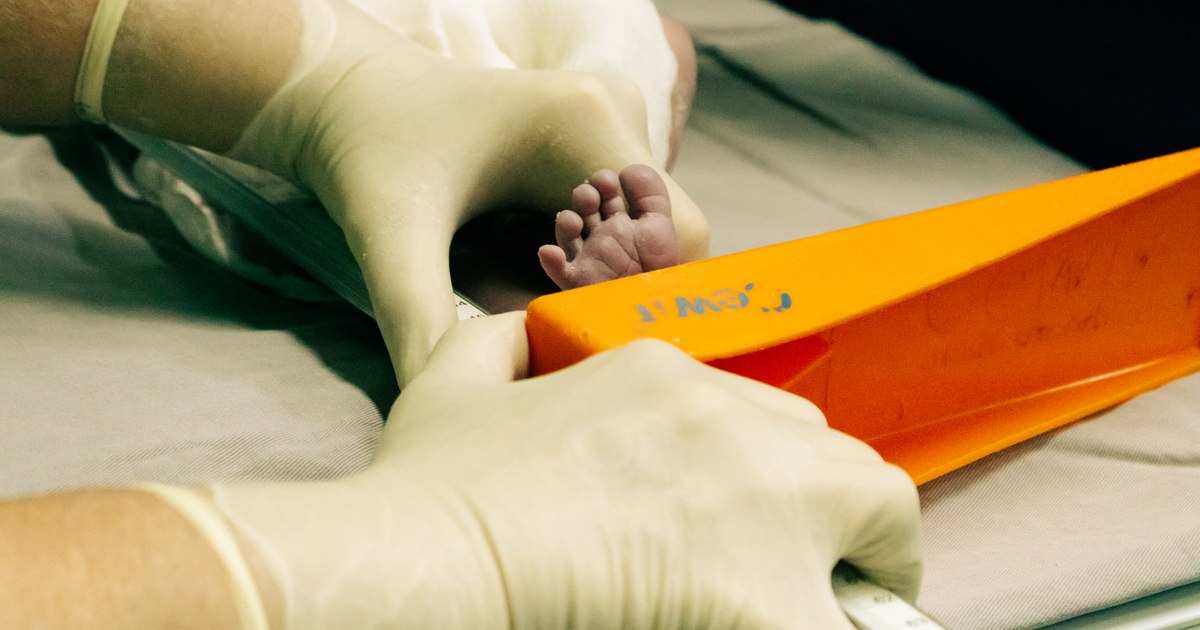
Most of what looks unusual in a newborn's first weeks is completely normal, and is best assessed alongside a few real markers of growth — weight gain, feeding, activity, and regular check-ups — rather than any single sign on its own.
Six normal signs in a healthy newborn
- Sleeps 14–17 hours a day — newborns spend most of their time asleep because sleep supports rapid brain and body development
- Sneezes often — this usually clears tiny nasal passages and isn't a sign of a cold
- Smiles or twitches during sleep — sleep-smiles and sudden movements are common, driven by an immature nervous system and active REM sleep
- Gets hiccups frequently — very common, and they typically settle on their own
- Gains weight steadily — after the initial weight loss most babies have in the first few days, steady gain follows with adequate feeding
- Some skin peeling or newborn acne — both are common in the early weeks and usually resolve without treatment
What actually measures healthy growth
Every baby is different, so growth is best judged by the whole picture rather than any single sign:
| Marker | What's typical |
|---|---|
| Weight gain (first 3 months) | Roughly 150–200 g per week |
| Weight by 6 months | Birth weight roughly doubles |
| Nappy output | A practical day-to-day proxy for adequate feeding |
| Feeding | Regular, sustained feeds appropriate for age |
| Activity | Alert during awake periods, responsive to handling |
| Check-ups | Regular paediatric visits to track growth against standard charts |
Growth charts track a range, not a single ideal number — a baby tracking consistently along their own curve is generally a better sign than comparing their exact numbers to another baby's.
Every baby is different. Growth is best assessed by weight gain, feeding, nappy output, activity, and regular paediatric check-ups — not any one sign in isolation.
Frequently asked
What if my baby isn't gaining weight in this range?
Ranges are typical, not absolute — some healthy babies gain a little faster or slower. Your paediatrician tracks your baby against their own growth curve over time, which matters more than matching a general range exactly. Raise it at your next check-up, or sooner if you're concerned.
Are hiccups or sneezing ever something to worry about?
On their own, no — both are very common and normal in newborns. They're worth mentioning to your doctor only if they come with other concerning signs, like breathing difficulty or feeding trouble.
How is this different from knowing when to rush to the hospital?
This guide covers the normal, reassuring pattern of growth over weeks. A separate, smaller list of signs needs same-day medical attention regardless of how well things have been going otherwise — the two are complementary, not contradictory.
When should I bring up growth concerns with a doctor rather than waiting for a scheduled visit?
If weight gain seems to have stalled, feeding has become difficult, or your baby seems unusually lethargic or hard to wake, don't wait for the next scheduled check-up — get it looked at sooner.