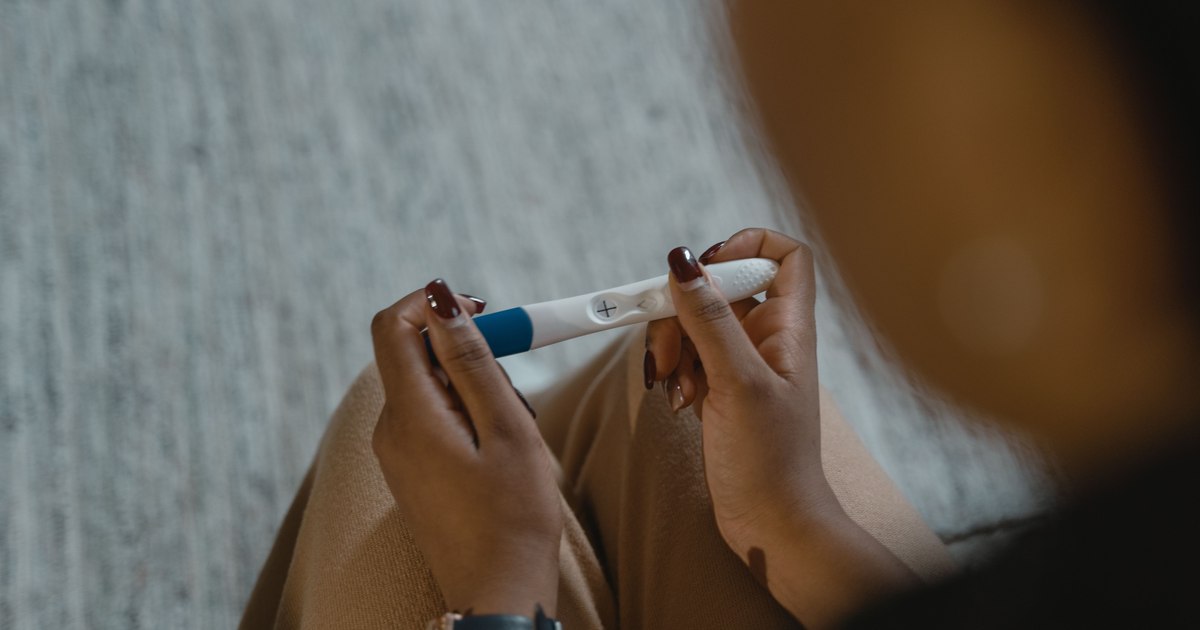
Most of what you'll feel during an IUI cycle comes from the medication, not the insemination itself — mild bloating, tenderness, or a headache are common and usually manageable. The procedure carries a small, well-understood set of risks, and the single most common source of confusion is testing too soon and getting a result that doesn't mean what it seems to.
What the medication can feel like
Most IUI cycles use oral or injectable medication to encourage one or two follicles to mature, and the side effects mostly trace back to that:
- Bloating and mild pelvic discomfort — the ovaries are working harder than in a natural cycle; this is expected, not a warning sign, unless it becomes severe.
- Headache, mood changes, or hot flashes — more common with oral medication (like clomiphene) than with injectables.
- Breast tenderness — a normal response to rising estrogen as follicles grow.
- Mild spotting — can follow the ovulation trigger injection or the insemination itself, and is not typically a concern on its own.
These overlap heavily with early-pregnancy symptoms and with normal premenstrual symptoms — one of the reasons the two-week wait after IUI feels confusing regardless of the outcome.
What the procedure itself can feel like
The insemination is usually brief and similar to a Pap smear — a thin catheter passes through the cervix to place washed sperm directly into the uterus. Mild cramping during or shortly after is common; sharp or worsening pain is not, and is worth a call to your clinic.
The rare but real risks
- OHSS (ovarian hyperstimulation syndrome) — much less common with IUI than with IVF, because IUI protocols generally use lower doses aimed at one or two follicles rather than many. Still possible, particularly with strong ovarian response or PCOS; the same warning signs apply — significant bloating, rapid weight gain, reduced urination, breathlessness.
- Multiple pregnancy — stimulated IUI raises the chance of twins (or, less commonly, higher-order multiples) because more than one egg can be released and fertilised. This is discussed with you before the cycle, and monitoring exists precisely to catch an over-response before insemination.
- Pelvic infection — uncommon, and the reason a sterile technique and, where indicated, screening are part of the standard procedure.
- Ectopic pregnancy — no higher on IUI than with natural conception, but the reason any positive test is followed by a scan, not just a blood result.
Why testing too early is misleading
The trigger shot used to time ovulation contains hCG — the same hormone a pregnancy test detects. Testing within about 10–14 days of the trigger can pick up its lingering trace rather than an actual pregnancy, producing a false positive that later turns negative. This is why clinics give a specific day to test, usually around two weeks after the insemination, rather than "whenever you feel ready." Testing earlier than that day doesn't get you an earlier true answer — it mostly adds a confusing false positive or an inconclusive faint line to an already anxious wait.
The two-week wait after IUI is testing your patience more than it's testing anything else — the trigger shot alone can produce a positive result that has nothing to do with pregnancy yet.
Frequently asked
Can IUI side effects tell me whether it worked?
No. Bloating, tenderness, spotting, and mood changes are driven by the medication and hormones already in your system regardless of outcome — they are not a reliable early signal either way. The blood or urine test on the day your clinic specifies is the only way to know.
I tested early and got a faint positive — is that real?
It might be the trigger shot's lingering hCG rather than a true pregnancy, especially if it's within 10–14 days of the trigger injection. Retest on the day your clinic recommends, and don't read too much into an early faint line in either direction.
Is IUI more likely to cause OHSS than IVF?
No — the opposite. IVF stimulation aims to grow many follicles for egg retrieval, while IUI protocols are usually tuned toward one or two, which keeps OHSS risk meaningfully lower. It isn't zero, which is why monitoring still matters.
What symptoms should make me call the clinic rather than wait?
Severe or worsening pelvic pain, significant abdominal bloating with rapid weight gain, breathlessness, very reduced urination, heavy bleeding, or fever. These are uncommon after IUI, but none of them are "wait and see" symptoms.
Does a multiple pregnancy from IUI carry extra risk?
Twin pregnancies carry higher risks than singleton pregnancies — preterm birth being the main one — which is exactly why your clinic monitors follicle response before insemination and may adjust or cancel a cycle if too many follicles are maturing at once.