Most fertility-preservation conversations assume there's time for a two-week stimulation cycle. Ovarian tissue freezing exists for the situations where there genuinely isn't — a cancer treatment that can't be delayed, a very young patient who hasn't gone through puberty, or an emergency diagnosis with no window to spare.
What it actually is
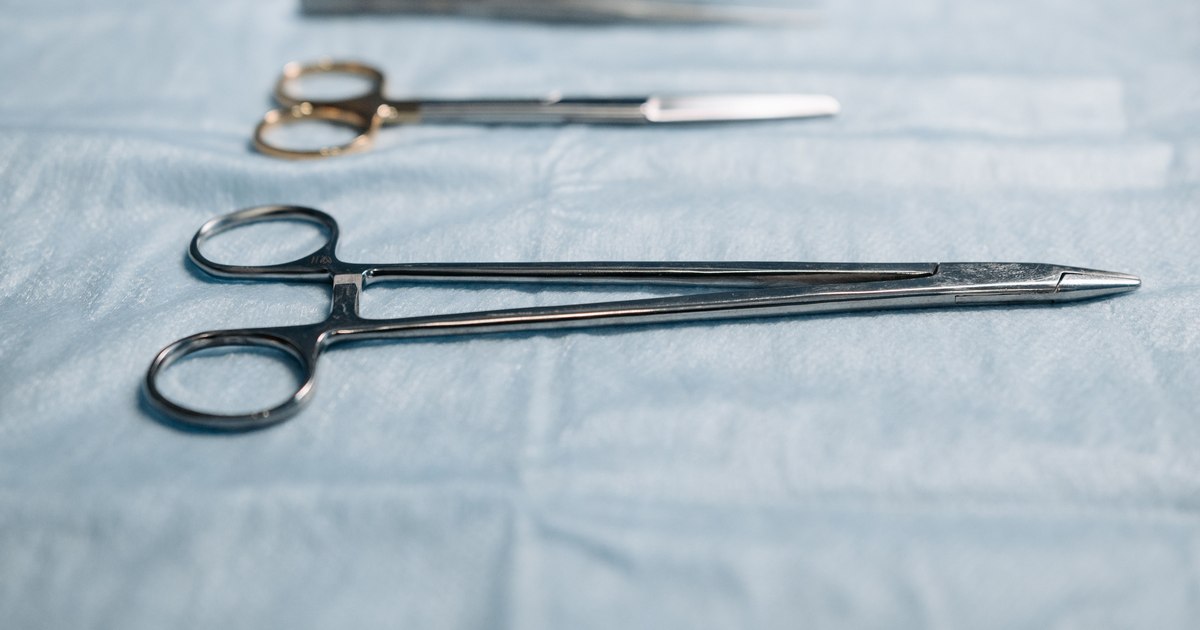
Instead of stimulating the ovaries and retrieving mature eggs, a surgeon removes a piece of ovarian tissue — typically one ovary or a portion of it, via a short laparoscopic procedure — and freezes it. The tissue contains thousands of immature eggs held within it. Later, if a pregnancy is wanted, the tissue can be surgically transplanted back into the body, where it can resume producing hormones and, in many documented cases, ovulate naturally again.
How it's different from egg or embryo freezing
| Egg/embryo freezing | Ovarian tissue freezing | |
|---|---|---|
| Preparation needed | 10–14 days of hormone stimulation | None — can be done within days, sometimes even during a menstrual cycle |
| Procedure | Egg retrieval under sedation | Laparoscopic surgery to remove tissue |
| What's frozen | Mature eggs (or fertilised embryos) | A piece of ovarian tissue with immature eggs |
| Later use | Thaw and fertilise/transfer | Surgical transplant back into the body |
| Suitable before puberty | No | Yes — this is currently the only preservation option for pre-pubertal girls |
Who it's actually for
- No time for a stimulation cycle — cancer treatment starting within days, or a diagnosis that makes any delay unsafe.
- Pre-pubertal patients — girls who haven't yet started menstruating have no mature eggs to retrieve, so tissue freezing is the only preservation route available to them.
- Hormone-sensitive cancers where stimulation itself carries risk — in some cases, avoiding the hormonal stimulation used for egg freezing is preferred.
- As an addition to, not instead of, egg or embryo freezing — some patients bank both when time allows, for the widest set of future options.
The honest caveats
This is a newer and more specialised procedure than egg or embryo freezing, with a smaller body of outcome data behind it, and it isn't available at every centre. It requires a surgical procedure (and a second surgery later, to transplant the tissue back), which carries the usual small risks of any laparoscopic surgery. Pregnancy after transplantation has been documented in real cases, but it is not something that can be promised, and how long a transplanted piece of tissue continues functioning varies by patient. International guidance, including from ESHRE, treats this as an established but still-evolving option — appropriate for the specific situations above rather than a routine alternative to egg freezing when time exists to freeze eggs instead.
When there truly isn't time to wait for a stimulation cycle, ovarian tissue freezing is the option built for exactly that — not a replacement for egg freezing when time allows it.
Frequently asked
Is this the same as egg freezing?
No. Egg freezing preserves individually retrieved mature eggs; ovarian tissue freezing preserves a piece of the ovary itself, with thousands of immature eggs still inside it, to be transplanted back later.
Can a transplanted ovary work normally afterward?
In many documented cases, transplanted ovarian tissue has resumed producing hormones and ovulating naturally, sometimes allowing pregnancy without IVF. How long it continues functioning varies from person to person.
Does this require chemotherapy to have not started yet?
Yes — like all fertility-preservation options, the tissue needs to be removed and frozen before treatment that could damage it begins.
Who decides if this is the right option instead of egg freezing?
Your oncology and fertility teams together, based on how much time exists before treatment must start, your age and pubertal stage, and the type of cancer or condition involved.