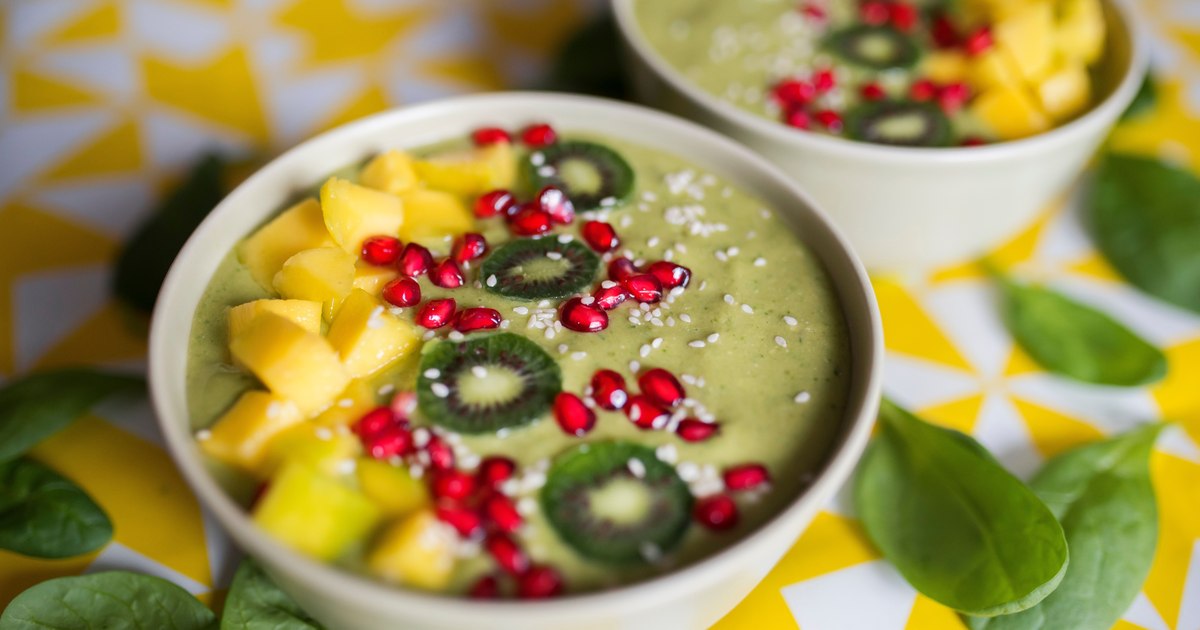
Both pomegranate and mango are safe in pregnancy, and the two concerns that come up most — whether pomegranate really helps haemoglobin, and whether mango's "heat" causes problems — don't hold up the way they're often framed. Each fruit has real benefits; the only thing worth watching is portion size, especially if you have gestational diabetes.
Pomegranate: what it actually offers
- Supports haemoglobin — pomegranate is commonly recommended to help support healthy haemoglobin levels in pregnancy, alongside your prescribed iron
- Antioxidants for your baby's brain and organ growth
- Fibre that helps digestion, which can slow down in pregnancy
- Better blood flow, which benefits both you and your baby
When and how much: morning or midday rather than late at night. ½–1 medium fruit, or one glass of fresh juice a day, is a reasonable portion. If you have gestational diabetes, watch the quantity — pomegranate still has natural sugars.
Mango: busting the "heat" myth
The belief that mango creates "heat" in the body and should be avoided in pregnancy is a myth, not a medical finding. Eaten in moderation, mango is safe and offers real nutritional value:
- Folate, important for your baby's neural development
- Vitamin C, which helps with immunity and iron absorption
- Vitamin A, which supports your baby's growth
- Fibre, which helps keep digestion comfortable
When and how much: wash it properly before eating, and keep portions moderate — mango is naturally high in sugar, so this matters more if you have gestational diabetes.
Neither pomegranate nor mango needs to be avoided in pregnancy — moderation and portion awareness matter more than any myth about "heat" or restriction.
Frequently asked
Does pomegranate juice work as well as the whole fruit?
Fresh pomegranate juice (without added sugar) and the whole fruit both offer the same antioxidant and haemoglobin-supporting benefits. The whole fruit also gives you fibre that juice doesn't, so it's a reasonable rotation between the two rather than a strict either-or choice.
Can eating mango really cause miscarriage or "heat" in the body, as elders sometimes say?
No — there's no medical basis for this belief. Mango in moderate portions is a safe, nutritious fruit in pregnancy. The caution that does apply, as with any sweet fruit, is portion size if you have gestational diabetes.
How much pomegranate or mango is too much in a day?
For pomegranate, ½–1 medium fruit or one glass of fresh juice a day is a reasonable upper range. For mango, moderate portions — not multiple servings in one sitting — keep the natural sugar load reasonable. If you have gestational diabetes, discuss specific portions with your doctor, since fruit still counts toward your daily sugar intake.
Is it fine to eat both pomegranate and mango on the same day?
Yes, there's no interaction between the two. Just keep an eye on your total fruit and sugar intake for the day rather than treating each fruit's "allowance" as separate.
Should I avoid pomegranate or mango if I have gestational diabetes?
You don't need to avoid either outright, but portions matter more than usual. Both fruits contain natural sugars that affect blood glucose, so it's worth discussing specific quantities with your doctor or dietitian as part of your overall meal plan.