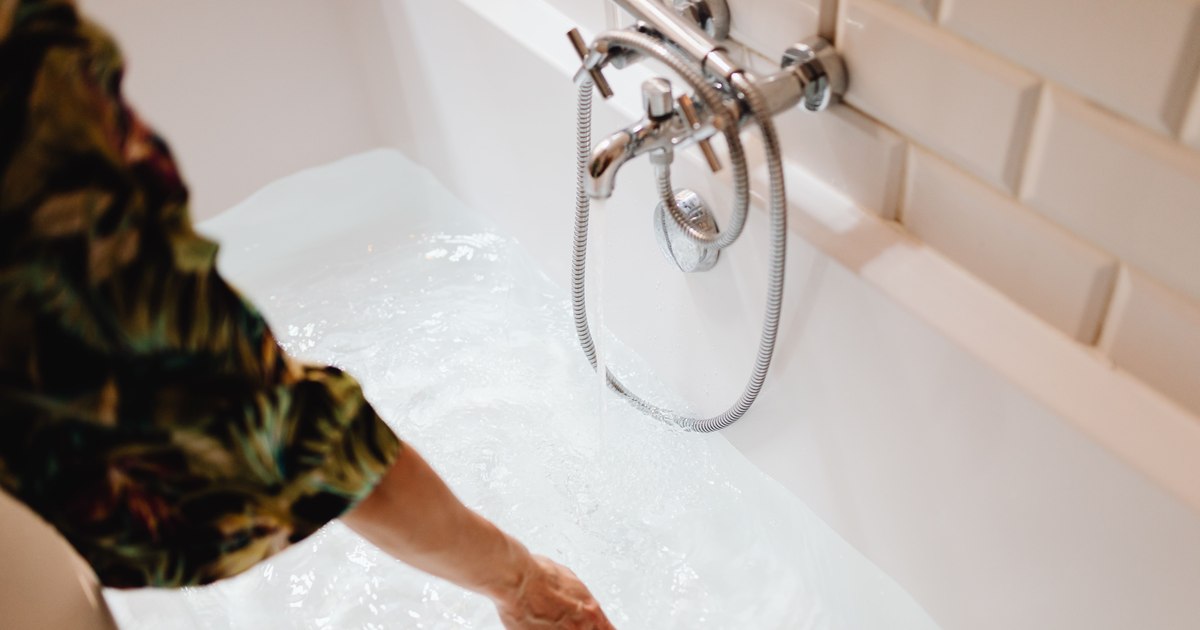
Water birth can genuinely help labour feel more manageable, but it isn't for every pregnancy and it isn't something to attempt outside a hospital setting. It works well within a specific, screened group of women, under a trained team that can act immediately if anything changes.
What warm water actually does during labour
Warm water helps the body relax in a way that has real, measurable effects on labour. It eases tense muscles, which can reduce how intense contractions feel. Many women report lower anxiety in water, and that calmer state can reduce how much pain medication is needed. Altogether, this often supports smoother progress through labour rather than shortening it dramatically on its own.
None of this means water birth removes pain or risk. It changes the experience of labouring, and for some women that difference is significant.
Water birth can be safe, only with the right screening and supervision.
Who water birth is not advised for
This is the part that gets left out of most wellness-framed content on the topic. Water birth is not suitable for every pregnancy, and ruling it out isn't a judgment call left to preference on the day. It's generally avoided when a pregnancy is high-risk, and specifically not advised for:
- Twin or multiple pregnancies
- A baby in breech position
- Active infections
- High blood pressure
- Diabetes
If any of these apply, the safer path is a supervised delivery outside water, even if a birthing pool is available at the facility.
The safety requirements that actually matter
A birthing pool alone doesn't make a delivery a water birth in any safe sense. Three things need to be in place first:
- A hospital with a proper sterile setup — not a home tub or an unequipped facility
- A trained medical team present — someone experienced specifically in monitoring and assisting a water delivery, not just general labour staff
- Readiness to shift out of the water immediately if an emergency arises — this has to be a rehearsed, non-negotiable part of the plan, not an afterthought
This is really the core distinction. Water birth as a screened, hospital-based option with a trained team is a legitimate choice. Water birth as an unsupervised or under-equipped setup is a different, much riskier thing wearing the same name.
Frequently asked
Does water birth actually reduce labour pain?
It can. Warm water relaxes muscles and tends to lower anxiety, both of which reduce how intense contractions feel and can reduce reliance on pain medication. It's a genuine effect, not just a comfort measure, though it doesn't eliminate pain the way an epidural does.
Can I have a water birth if I'm expecting twins?
No. Twin pregnancies are on the list of situations where water birth isn't advised, regardless of how the pregnancy has otherwise progressed. Talk to your obstetrician about delivery planning specific to a multiple pregnancy.
What if my baby is breech?
A breech position is one of the specific exclusions for water birth. This needs a separate delivery discussion with your doctor well before labour begins.
Is any birthing pool with warm water a safe option?
No. The setting matters as much as the water itself. A hospital-grade sterile setup, a team specifically trained for water delivery, and a clear plan to move you out of the water immediately if needed are all required for it to be a safe option, not an optional extra.
How do I know if I'm a candidate for water birth?
Bring it up at an antenatal visit, not once labour has started. Your obstetrician can confirm whether your pregnancy fits the screening criteria and whether your delivery hospital has the trained team and setup this requires.