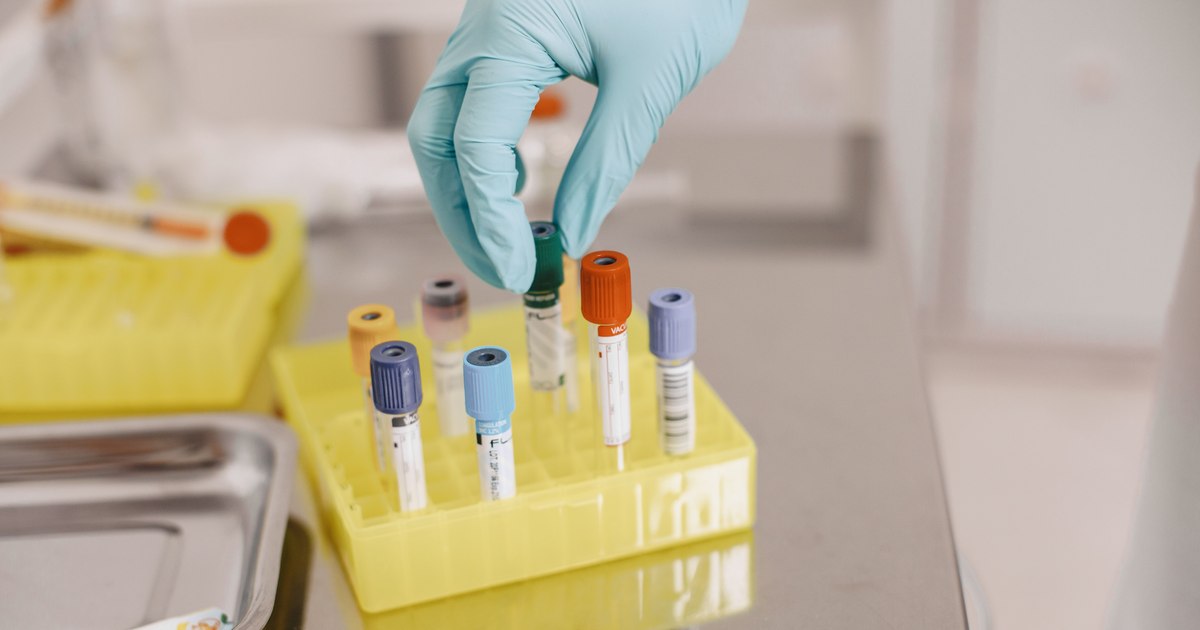
If your urinary symptoms haven't improved, or come straight back, after finishing a full course of nitrofurantoin or fosfomycin, don't just repeat the same antibiotic or switch to another one on your own. Go back to your doctor — a proper urine culture with sensitivity testing is what actually identifies which antibiotic will work, instead of guessing again.
Why a first-line antibiotic sometimes doesn't work
- Antibiotic resistance: the specific bacteria causing your infection may not be sensitive to nitrofurantoin or fosfomycin, even though these are commonly effective first choices — resistance patterns vary by individual and by region
- It wasn't a typical UTI to begin with: symptoms that look like a UTI can sometimes come from a different cause (a sensitivity, irritation, or another type of infection) that an antibiotic for bacterial UTIs won't touch
- The course wasn't completed correctly, or the dose/duration wasn't matched to the specific situation (a complicated UTI, or one in pregnancy, is often treated differently than an uncomplicated one)
- A new infection, not the same one — some women develop a fresh UTI shortly after finishing treatment for a previous one, especially with recurring-UTI patterns, which can look like "it didn't clear" but is actually a new episode
What usually happens next
- A urine culture and sensitivity test, if one wasn't already done before starting treatment. This identifies the exact bacteria and which antibiotics it's actually sensitive to, replacing guesswork with a targeted choice
- A different antibiotic class, chosen based on the culture result rather than simply trying another common option
- A closer look for an underlying reason infections keep recurring or resisting treatment — this can include checking for incomplete bladder emptying, kidney stones, or other structural factors in persistent or recurrent cases
- Confirmation the symptoms are genuinely a UTI and not another cause being mistaken for one, especially if a culture comes back negative despite ongoing symptoms
A urine culture with sensitivity testing is the single most useful next step when a standard antibiotic hasn't worked — it turns "try another antibiotic and hope" into a targeted decision.
What not to do
- Don't repeat the same antibiotic at a higher dose or for longer without your doctor's specific instruction — this can contribute to further resistance without necessarily solving the problem
- Don't source a different antibiotic yourself (from a pharmacy, a friend's leftover course, or online) — the right choice depends on culture results your doctor needs to see
- Don't ignore ongoing symptoms assuming they'll eventually settle — persistent UTI symptoms, especially with fever, back pain, or feeling generally unwell, need prompt medical review since untreated infections can spread to the kidneys
If UTIs keep coming back for you specifically after sex, our guide on UTI after sex: why it keeps happening covers prevention strategies, and recurring UTI symptoms with a negative culture covers the pattern where symptoms persist but cultures don't show an obvious cause.
Frequently asked
How do I know if my UTI didn't clear versus a new infection?
This distinction usually needs a fresh urine culture — your doctor can often tell from the timing and your symptom pattern, but the culture is what confirms whether it's the same organism or a new one.
Is it dangerous if a UTI doesn't clear with antibiotics?
An infection that persists or isn't properly treated can potentially spread toward the kidneys, which is more serious and needs prompt treatment. This is exactly why going back to your doctor rather than self-treating matters when symptoms don't resolve.
Can UTI symptoms persist even after the infection is gone?
Yes, some irritation or urgency can linger briefly even after successful treatment, especially if there was significant inflammation. But symptoms that are unchanged or worsening after a full course warrant a culture, not just reassurance that it'll settle.
Should I ask for a urine culture before starting antibiotics next time?
If you've had recurring or treatment-resistant UTIs, this is a reasonable thing to discuss with your doctor — culturing before (or alongside) starting treatment, rather than only after a first antibiotic fails, can sometimes save a round of trial and error.