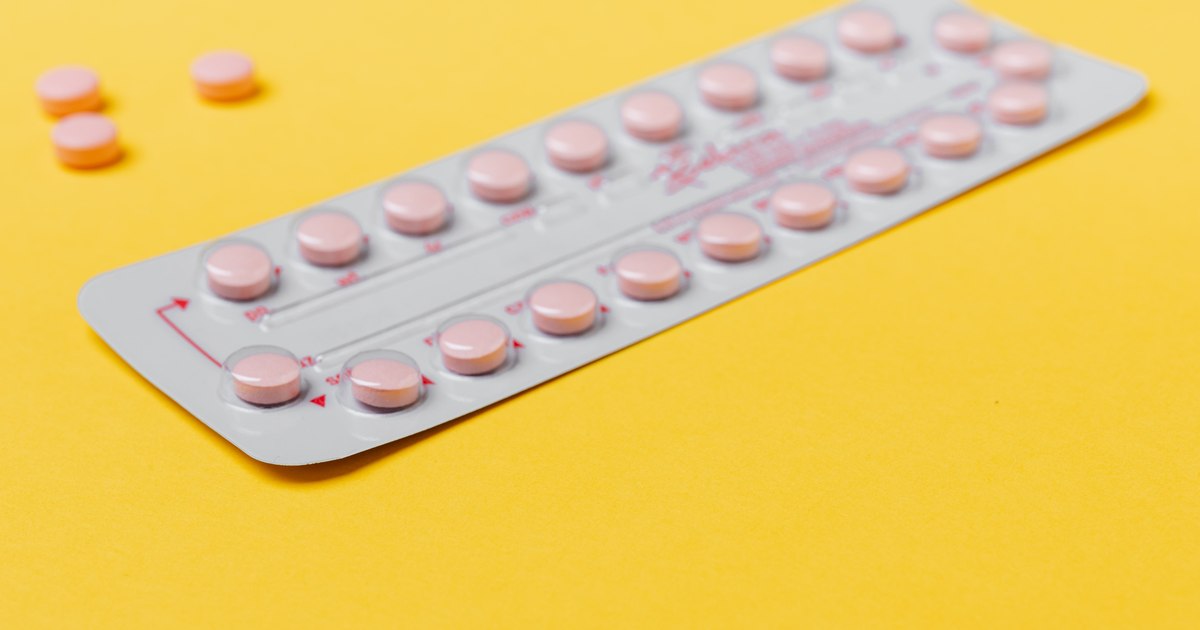
A missing withdrawal bleed after a hormone course prescribed specifically to trigger one is a signal worth reporting back to your doctor — it doesn't automatically mean something serious, but it does mean the assumption behind the course (that your body would respond a certain way) needs a second look, not a repeat attempt on your own.
What a withdrawal bleed course is meant to do
When periods are missed or irregular, doctors sometimes prescribe a short course of progesterone (or a combined hormone course) specifically to trigger a "withdrawal bleed" once the course ends — this both provides some relief and, importantly, helps the doctor understand why your periods are irregular in the first place, based on whether or how you bleed.
Why the expected bleed might not show up
- Your estrogen levels are too low for the uterine lining to have built up enough to shed — this is common with conditions that suppress estrogen (excessive exercise, low body weight, high stress, some hormonal conditions), and it's actually diagnostically useful information, not a failure of the medication
- A structural issue in the uterus is preventing the usual response — less common, but part of why a non-response gets investigated rather than repeated
- Pregnancy — if there's any possibility, this needs to be ruled out before assuming a hormonal explanation
- The course wasn't taken exactly as prescribed — dose, duration, or timing changes can affect whether a withdrawal bleed occurs
What to do next
- Tell your doctor specifically that the expected bleed didn't happen — this changes what they test for next, it isn't just "try again"
- Don't repeat the same course on your own assuming it just needs another attempt
- Expect further evaluation — usually hormone bloodwork (including estrogen levels) and sometimes a pelvic ultrasound — to understand why the lining didn't respond
- If there's any chance of pregnancy, a pregnancy test comes first, before anything else
A missed withdrawal bleed isn't a dead end — it's actually one of the more useful pieces of information your doctor gets from this test, because it points toward low estrogen or a structural cause rather than leaving the "why" of your irregular periods unanswered.
Frequently asked
Does no bleed mean I'm not producing any hormones at all?
Not necessarily — it points toward estrogen being too low for the lining to build up enough to shed, which is a specific, testable finding rather than a sign of total hormonal failure. Bloodwork clarifies exactly where the levels stand.
Should I try the same medication again to see if it works the second time?
Not without your doctor's direction. A non-response is meant to change the next diagnostic step, not simply repeat the same course hoping for a different outcome.
Could this mean I can't get pregnant?
Not on its own. A missing withdrawal bleed is one data point in a broader fertility and hormonal evaluation — it's worth taking seriously, but it isn't a standalone verdict on fertility, and further testing is exactly how your doctor moves from this signal to a clearer picture.
Is it possible I'm actually pregnant and that's why the bleed didn't happen?
Yes, that's one of the possibilities that needs ruling out first, especially if there was any chance of it — a pregnancy test is typically one of the first checks before further hormone evaluation.