Gallstones found during pregnancy don't always resolve on their own after delivery — a follow-up scan sometimes shows they're still there. What happens next depends mainly on whether the stones are causing symptoms, not simply on the fact that they were found during pregnancy. Breastfeeding narrows which medications are used, but it doesn't rule out treatment altogether.
Why gallstones found in pregnancy are reassessed after delivery
The hormone changes of pregnancy — higher cholesterol in bile, slower gallbladder emptying — make gallstones more likely to form or grow during pregnancy (see why gallstones are more common after pregnancy for the mechanism). Those specific hormonal drivers ease off after delivery, so some small stones or sludge do shrink or clear once hormones normalise. Stones that are still present on a postpartum scan are generally reassessed as a fresh decision, factoring in size, number, and most importantly, whether you're having any symptoms.
The three options, compared
| Approach | When it's used | What it involves |
|---|---|---|
| Watch (monitoring) | Silent stones with no symptoms, especially if small | Periodic ultrasound follow-up; no active treatment unless symptoms develop |
| Medication | Mild, occasional symptoms, or stones unsuitable for/awaiting surgery | Medicines that can help dissolve certain small cholesterol stones over months, or manage symptoms; works for a limited subset of stones and takes time |
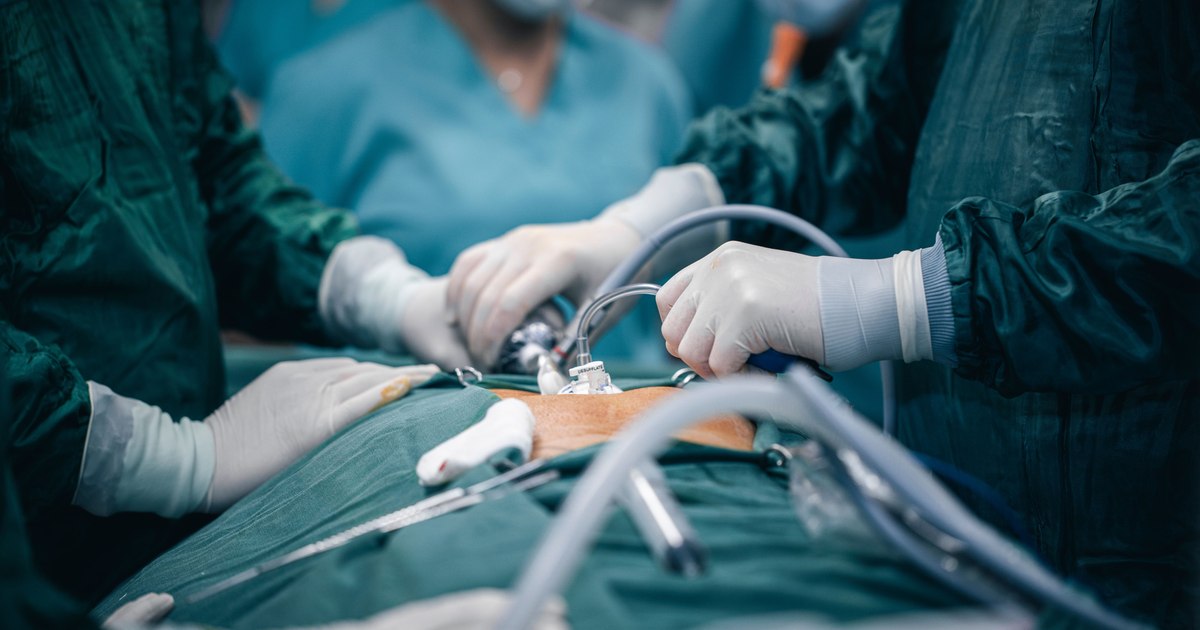
| Surgery (cholecystectomy) | Recurrent pain, larger stones, or any complication | Removal of the gallbladder, usually laparoscopically (keyhole); the definitive treatment when stones are actually causing problems |
Silent, small, asymptomatic stones are often simply monitored rather than treated immediately — treatment isn't automatic just because a stone is visible on a scan.
What breastfeeding changes about the decision
- Surgery itself is generally considered safe while breastfeeding, including the anaesthesia used for routine laparoscopic gallbladder surgery — this isn't usually the limiting factor
- Medication choices are reviewed for breastfeeding compatibility — some gallstone-related and pain medications are preferred over others, and your surgeon and obstetrician should coordinate on this rather than one prescribing without knowing about the other
- Timing can be planned around feeding where there's no urgency — for a stable, mildly symptomatic case, some women and their doctors choose to schedule surgery around breastfeeding milestones, though this is a personal and clinical decision, not a medical requirement
- None of this applies if there's an urgent complication — fever, jaundice, or severe unrelenting pain mean treatment happens on a medical timeline, not a feeding-convenience one
When this becomes urgent regardless of the breastfeeding question
- Fever alongside abdominal pain
- Yellowing of the skin or eyes (jaundice)
- Pain that is severe, constant, or doesn't settle within a few hours
- Repeated vomiting alongside the pain
Any of these mean same-day medical attention, not a scheduled follow-up discussion.
A gallstone still visible after delivery isn't automatically a reason for surgery. The decision turns on symptoms, not on the stone's presence alone — and breastfeeding is something to plan around, not a reason to delay necessary treatment.
Frequently asked
If my gallstones are silent (no symptoms), do I still need treatment?
Not necessarily. Many silent gallstones are simply monitored with periodic scans, with treatment only considered if symptoms develop later.
Can I keep breastfeeding right after gallbladder surgery?
Generally yes — routine laparoscopic gallbladder removal and standard anaesthesia are not usually considered a reason to stop breastfeeding. Confirm specifics with your surgeon and anaesthetist, since individual medication choices during and after surgery can be adjusted with breastfeeding in mind.
Will the gallstones go away on their own if I just wait?
Some sludge or very small stones can resolve as pregnancy-related hormone effects fade, but established stones usually don't disappear on their own. Waiting is a reasonable choice for silent, asymptomatic stones under medical monitoring — it's not a guarantee they'll go away.
How urgent is it if I start getting pain again after being symptom-free for a while?
New or returning pain, especially with fever or vomiting, is worth same-day medical attention rather than waiting to see if it passes — this is one of the situations where the general "silent stones can be watched" approach no longer applies.