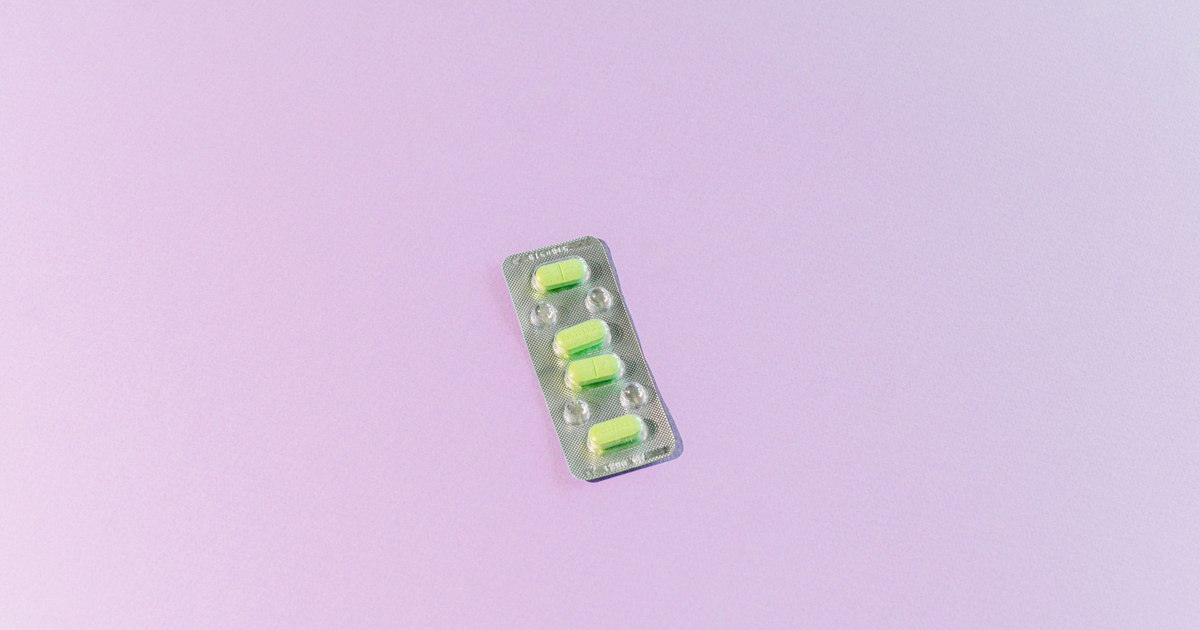
Deviry and Meprate are brand names for medroxyprogesterone, a progesterone tablet your doctor may prescribe to bring on a period that hasn't come on its own. Taken for a short course and then stopped, it triggers a withdrawal bleed within a few days. Used occasionally and under medical guidance, repeating it isn't inherently unsafe — but repeating it on your own, cycle after cycle, without your doctor working out why your periods aren't coming is the part that needs attention.
Why doctors prescribe it before certain tests
A period-inducing tablet is often used deliberately before specific investigations, not just to "get things moving":
- Hormone tests that need to be timed to your cycle — some hormone levels are only meaningful when drawn on a specific cycle day (commonly day 2 or day 3 of a period), so a withdrawal bleed gives your doctor a reliable starting point to count from
- Before starting a fertility treatment cycle — IUI and IVF protocols are often timed from the first day of a period, so inducing one lets your doctor start the cycle on schedule instead of waiting indefinitely
- To confirm your uterine lining responds to progesterone — if a withdrawal bleed happens after the tablet, it tells your doctor your uterine lining is building up with oestrogen and can shed normally, which is itself useful diagnostic information
- Before an ultrasound or endometrial assessment that's easier to interpret at a known point in your cycle
What it means if the tablet doesn't bring on a period
This is actually a meaningful result, not a failure of the medicine. If a proper course of progesterone doesn't trigger any bleeding, it usually points toward one of two broader categories your doctor will investigate next:
- Low oestrogen — your uterine lining may not have built up enough for progesterone withdrawal to cause bleeding, which can point toward conditions affecting ovulation or ovarian reserve
- A physical issue with the uterus or outflow tract — scarring inside the uterus (Asherman's syndrome) or a structural blockage can prevent bleeding even when hormones are otherwise normal
Either way, a non-response is a reason for your doctor to look further, not a reason to simply repeat the tablet and hope.
Is it safe to repeat?
Occasional, doctor-guided use — for example, once every few months when a cycle genuinely doesn't come on its own, or as part of planned test timing — is standard practice and not something to worry about. What changes the picture:
- Repeating it monthly for a long stretch without ever finding out why your periods stopped. The tablet manages the symptom (no bleed) without addressing the underlying cause, which could be anything from PCOS to a thyroid problem to high prolactin — all of which have their own treatment and their own reasons not to be ignored.
- Self-medicating without a prescription or follow-up. The dose, duration, and whether it's even the right medicine for your situation should be decided by your doctor based on your history and, often, a baseline hormone panel.
- Skipping the workup because the tablet "works" every time. A reliable withdrawal bleed is reassuring in one narrow sense (your uterus and oestrogen are functioning), but it doesn't rule out ongoing causes like PCOS that still deserve proper management.
A period-inducing tablet is a useful tool for timing tests and starting treatment cycles on schedule — not a long-term substitute for finding out why your periods aren't coming on their own.
If your periods have stopped and you're not sure why, read our guide on what causes irregular periods and when to worry or, for periods that have stopped entirely, missed periods: causes beyond pregnancy.
Frequently asked
How soon after stopping Deviry or Meprate should my period start?
A withdrawal bleed typically starts within 2 to 7 days after finishing the course, though this varies a little between individuals. If nothing happens within about 10 days of finishing, let your doctor know.
Can I take Deviry or Meprate without a prescription if it worked before?
It's not advisable. Even if a tablet worked for you previously, repeating it without your doctor checking in means any underlying cause for the missed periods — a thyroid issue, high prolactin, PCOS — stays uninvestigated and untreated.
Does taking this tablet mean something is seriously wrong?
No — it's a common, low-risk diagnostic and scheduling tool used for many reasons, from timing a hormone test to starting a fertility cycle. Needing it occasionally doesn't by itself indicate a serious problem; it's the pattern and the underlying workup that matter.
Will repeated use of this tablet affect my fertility?
Occasional, doctor-supervised use hasn't been shown to harm fertility. The bigger fertility-relevant risk is leaving the actual cause of irregular or absent periods — if there is one — undiagnosed for a long time while repeatedly masking the symptom.