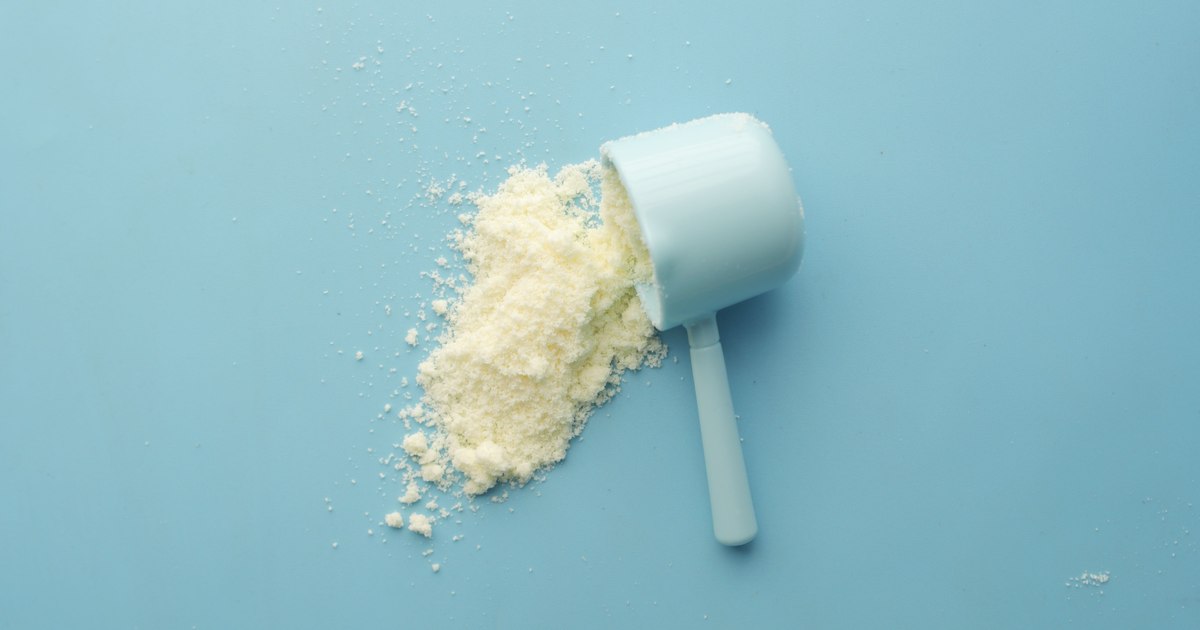
Formula is designed to be mixed at one exact ratio — usually one levelled scoop to a fixed amount of water, printed on the tin. Adding extra water to "stretch" a tin, or extra scoops to make feeds "more filling," both change what your baby actually receives: diluting it under-feeds them, and concentrating it strains their kidneys and gut. The fix is simple — follow the tin's printed ratio exactly, every time, rather than estimating.
Why the ratio matters more than it seems
- Formula powder is a concentrate, not a flavouring — the water isn't a "diluent" you can adjust by eye, it's doing the job of bringing the formula to the exact concentration a baby's body is built to handle.
- Too much water (adding extra water "to make the tin last longer," or eyeballing a feed as "mostly water with some powder") under-delivers calories and nutrients, which over time can genuinely slow weight gain.
- Too little water (packing in extra scoops) makes the feed more concentrated than a baby's kidneys can comfortably process, and can cause dehydration, constipation, or digestive upset.
- Scoops aren't interchangeable between brands — a scoop from one tin may hold a different amount of powder than another brand's scoop, even if both say "1 scoop per 30ml." Always use the scoop that came with that specific tin.
The correct way to measure each feed
- Boil water and let it cool to the temperature your paediatrician or the tin recommends (this is a separate safety step from the ratio itself, and matters for sterilising the feed).
- Measure the water first, into the bottle, using the bottle's own markings — not the scoop.
- Add a level scoop, not a heaped one. Use the flat edge of a clean knife or the leveller built into the tin to scrape off the excess powder rather than packing it down.
- Match the scoop count to the water volume exactly as printed on the tin — most formulas use a fixed ratio like one scoop per 30ml, but always check your specific brand's chart, since this can vary.
- Mix immediately after adding the powder, and use the feed within the time window the tin specifies.
The ratio printed on the tin isn't a starting point to adjust — it's been calculated for a baby's kidneys and digestive system. If a feed consistently feels "too thin" or "too thick," the fix is a different scoop size recommended by your paediatrician for your baby's age, not eyeballing the existing one differently.
Common mixing mistakes that are easy to miss
- Using a scoop from a different tin or brand after running out mid-week
- Measuring water by eye instead of using the bottle's markings
- Heaping the scoop instead of levelling it, especially when rushing a night feed
- Preparing a big batch ahead of time at a slightly different ratio "to save ingredients," rather than measuring each feed individually
When to check with your paediatrician
If your baby's weight gain seems slow, if feeds are causing persistent constipation or unusually concentrated urine, or if you've recently switched brands and aren't sure the scoop sizes match, that's worth a conversation with your paediatrician rather than adjusting the ratio yourself. For how to judge whether your baby's overall growth is on track, see our guide on whether your baby is growing well in the first six months.
Frequently asked
Is it okay to add a little extra water to make the tin last longer?
No. Diluting formula below its intended concentration under-feeds your baby's calorie and nutrient intake, even if the feed still looks and tastes similar. Always follow the tin's exact ratio.
What if I accidentally added an extra scoop to one feed?
A single occasional mistake is unlikely to cause harm, but it isn't something to make a habit of. If it happens, there's usually no need to panic — just measure carefully for the next feed, and mention it to your paediatrician if your baby seems unwell afterward (unusual sleepiness, vomiting, or very little urine).
Do all formula brands use the same scoop-to-water ratio?
No — ratios and scoop sizes vary by brand and sometimes by formula stage within the same brand. Always use the scoop that came with that specific tin and follow its printed chart, not a ratio you remember from a different brand.
Does the water need to be a specific temperature for the ratio to work correctly?
Water temperature affects safety (sterilising the feed and dissolving the powder properly) rather than the ratio itself, but both matter — follow your paediatrician's or the tin's guidance on preparation temperature alongside the correct scoop count.