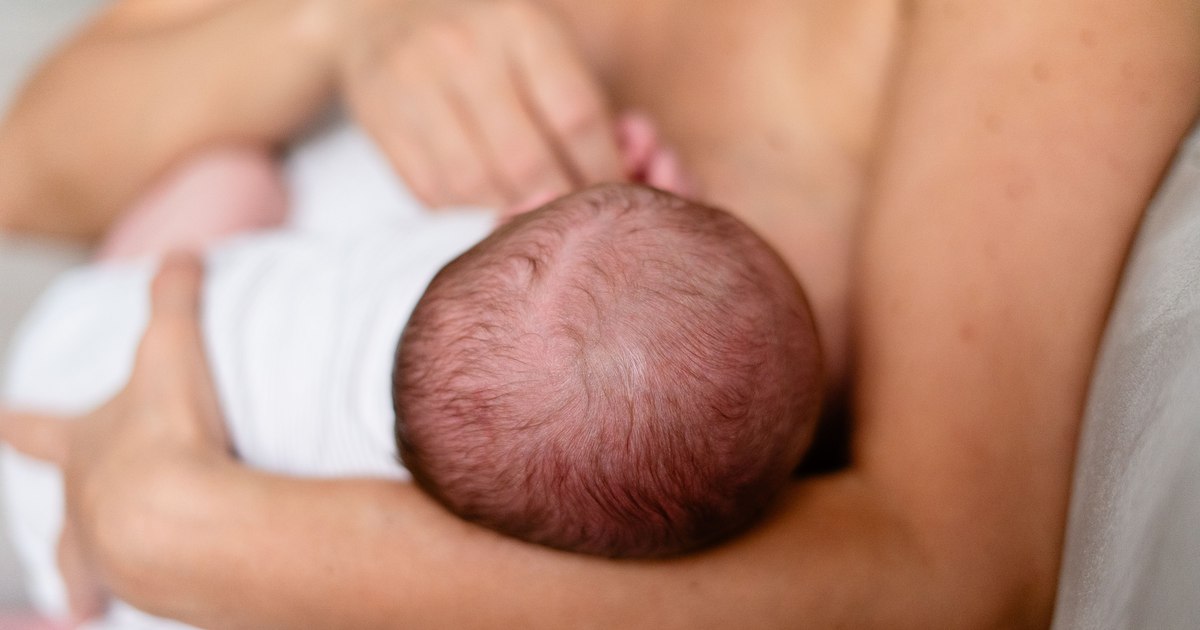
An exclusively breastfed baby going several days — sometimes even a week or more — without a stool is one of the most common things that worries parents around 3-4 months, and it's usually not constipation. Smelly gas alongside it adds to the alarm, but gas and infrequent stooling from breast milk alone, in an otherwise comfortable baby, is a well-recognised normal pattern.
Why breastfed babies can go days without pooping
Breast milk is digested very efficiently — your baby's gut absorbs most of it, leaving comparatively little actual waste behind. Around 6 weeks to a few months of age, many exclusively breastfed babies shift from several stools a day to far fewer, sometimes going 5-10 days between them. This is a normal change in gut maturity and digestion, not a sign that something is wrong with your milk or your baby's digestion, as long as the stool itself is soft when it finally comes, and your baby is otherwise comfortable.
What tells you it's the normal pattern, not constipation
- The stool, when it comes, is soft or loose — not hard, pellet-like, or dry
- Your baby isn't in obvious distress — some grunting, straining, or going red in the face while passing gas or stool is normal baby behaviour, even in this pattern, and isn't the same as being in pain
- Feeding, weight gain and overall mood are normal — a baby who feeds well, gains weight on schedule, and is their usual self between gaps is reassuring
- Smelly or frequent gas on its own, without hard stool or visible distress, is common and not usually a sign of a feeding problem
When it's worth a call to your doctor instead
- The stool, when passed, is hard, pellet-like, or clearly difficult and painful to pass
- Your baby seems genuinely distressed — persistent crying, a hard or bloated-looking belly, or refusing feeds
- There's blood in the stool, or the stool is white/pale or black after the newborn period (see our guide on newborn poop colour and frequency for formula-fed and combination-fed patterns, which differ from this exclusively breastfed one)
- No stool at all for more than roughly 10-14 days, or any gap that comes with fever, vomiting, or poor feeding
- You're simply unsure — a quick check costs nothing and settles the worry either way
A long gap between stools in an exclusively breastfed baby, with a soft stool at the end of it and a comfortable baby in between, is usually gut maturity — not constipation. Hard stool, visible pain, or a distressed baby is what actually needs a doctor's look.
Does anything about your own diet or routine affect this?
For most mothers, no specific food needs to be cut out to change this pattern — it's a normal shift in how efficiently your baby is digesting breast milk, not a reaction to something you ate. If you're also combination feeding or have recently introduced formula, the pattern can look different; that mixed-feeding picture is covered separately in the formula/combination guide linked above.
Frequently asked
How many days without pooping is actually too many for a breastfed baby?
There's no single universal number, but many doctors become more watchful somewhere beyond 10-14 days without any stool, or sooner if your baby shows discomfort, a bloated belly, poor feeding, or the stool is hard once it does come. If in doubt, call your paediatrician rather than waiting out a fixed number of days.
Is smelly gas a sign my baby has an intolerance to my milk?
Not on its own. Gas smell and frequency vary a lot between babies and can change from week to week without indicating any intolerance, especially if feeding, growth and mood are otherwise normal. A true milk-protein intolerance usually comes with other signs too — such as blood or mucus in the stool, rash, or poor weight gain — not gas alone.
Should I give my baby water or juice to help them poop?
No — babies under 6 months, whether breastfed or formula-fed, don't need water or juice, and it isn't an appropriate way to manage this pattern. If you're concerned about your baby's stooling, speak to your paediatrician about your baby specifically rather than trying home remedies.
Can massaging my baby's tummy or moving their legs help?
Gentle tummy massage or bicycling the legs is commonly suggested comfort measures for gas and can help some babies feel more settled, though it won't necessarily change how many days pass between stools. It's safe to try as a comfort measure alongside, not instead of, watching for the warning signs above.