Yes, constipation is very common in the first trimester and is rarely a sign anything is wrong. Rising progesterone slows down digestion in early pregnancy, and that slowdown — not what you're eating alone — is usually the main driver. Fluids, fibre, and movement are the first safe steps; anything beyond that should go through your doctor rather than an over-the-counter choice on your own.
Why it happens so early
Progesterone rises sharply from the very start of pregnancy, and one of its effects is relaxing smooth muscle throughout the body — including the muscle that moves food through your intestines. Slower transit means more water gets reabsorbed along the way, making stool harder and less frequent. Prenatal iron supplements, reduced activity, and pregnancy-related nausea changing what and how much you eat can all add to it.
What's safe to try first
- Fluids — plain water through the day, aiming for consistent intake rather than large amounts at once
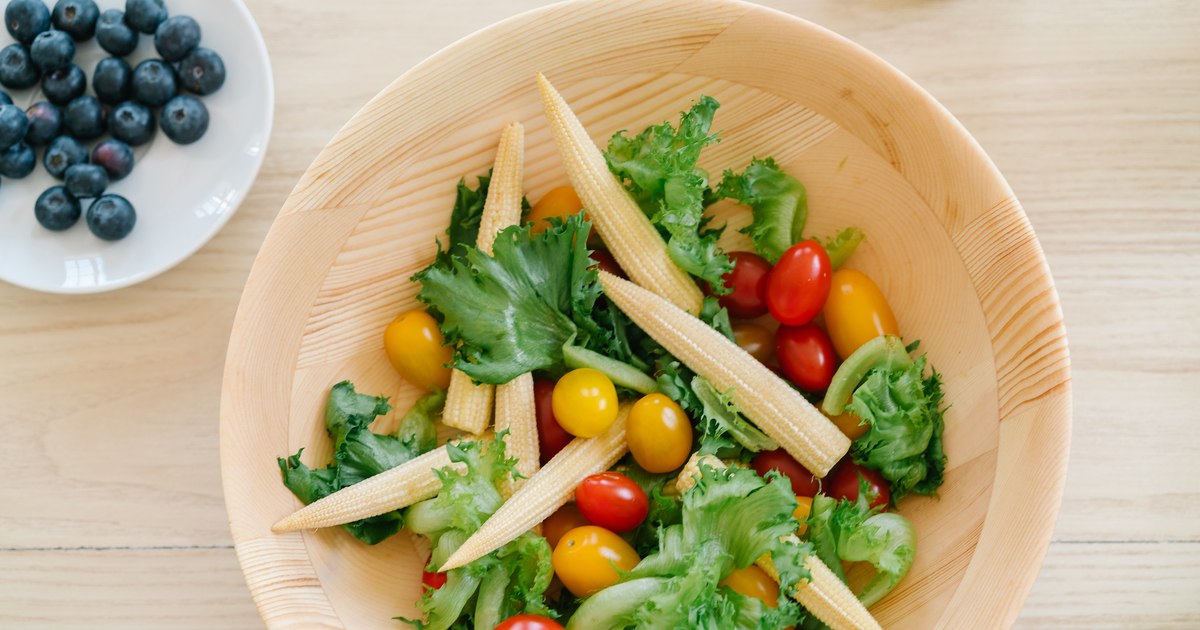
- Fibre — fruits, vegetables, whole grains, and legumes, increased gradually rather than all at once (a sudden jump can cause bloating)
- Gentle movement — a daily walk, if you're medically cleared for normal activity, helps stimulate digestion
- Regular meal timing — eating at consistent times supports a more predictable bowel rhythm
- Not delaying the urge — waiting too long to go can make stool harder by the time you do
When to loop in your doctor rather than self-treat
- No improvement after several days of fluids, fibre, and movement
- Pain, bloating, or discomfort that's more than mild
- Any bleeding with bowel movements
- Before taking any laxative, stool softener, or fibre supplement — some are considered safe in pregnancy and some aren't, and your doctor (or your existing iron/supplement regimen) may already factor into the choice
Occasional straining in early pregnancy usually settles as your body adjusts and your routine catches up — it's the combination of no improvement, pain, or bleeding that turns "normal first-trimester constipation" into "worth a call to your doctor."
Frequently asked
Is it safe to take a laxative or stool softener without asking my doctor first?
Not as a first move — some options are considered safe in pregnancy and some aren't, and your doctor can factor in what you're already taking (like prenatal iron, which itself contributes to constipation) before recommending one.
Could my prenatal vitamin or iron supplement be the cause?
Iron supplements are a well-known contributor to constipation in pregnancy. If it's a significant problem, mention it to your doctor — there are often alternative formulations or timing adjustments rather than stopping iron altogether, since iron itself is important in pregnancy.
How many days of no bowel movement is too many?
There's no single universal cutoff, but several days without improvement despite fluids, fibre, and movement — especially alongside pain or bloating — is a reasonable point to check in with your doctor rather than continuing to wait it out.
Does constipation in early pregnancy mean something is wrong with the baby?
No. It's a common, expected side effect of the hormonal changes driving pregnancy itself, not a sign of a problem with the pregnancy — the exceptions worth flagging (bleeding, significant pain, no improvement at all) are about your own comfort and safety, not a marker of the baby's wellbeing.